

The International Court of Justice announced a public hearing on Myanmar's alleged genocide of the Rohingya people, set for 12–29 January 2026, following The Gambia's filing of a United Nations Convention violation case.
On 21 December 2025, the International Court of Justice (ICJ) in The Hague, Netherlands—the United Nations' highest judicial body—announced it will hold a new public hearing on the case accusing Myanmar of committing genocide against the Muslim Rohingya minority between 12–29 January 2026.
The case was filed by The Gambia in 2019, accusing Myanmar's authorities of violating the 1948 UN Convention on the Prevention and Punishment of the Crime of Genocide, due to the Myanmar military and Buddhist armed forces' violent crackdown on the Rohingya in Rakhine State in 2017.
Previously, the ICJ issued a provisional order in 2020 requiring Myanmar to take all measures within its power to prevent the occurrence of genocide.
The ICJ statement said it will examine the substance of the case, including hearing witnesses and experts called by both parties. Some witness hearings will be held in private, after The Gambia— a predominantly Muslim country in West Africa—requested the court to rule that Myanmar violated its obligations under the Genocide Convention, seeking reparations for victims and guarantees to prevent such tragedies in the future.
Although the ICJ's rulings are legally binding and cannot be appealed, the court lacks direct enforcement power, meaning compliance depends on the cooperation of the parties involved and the international community.
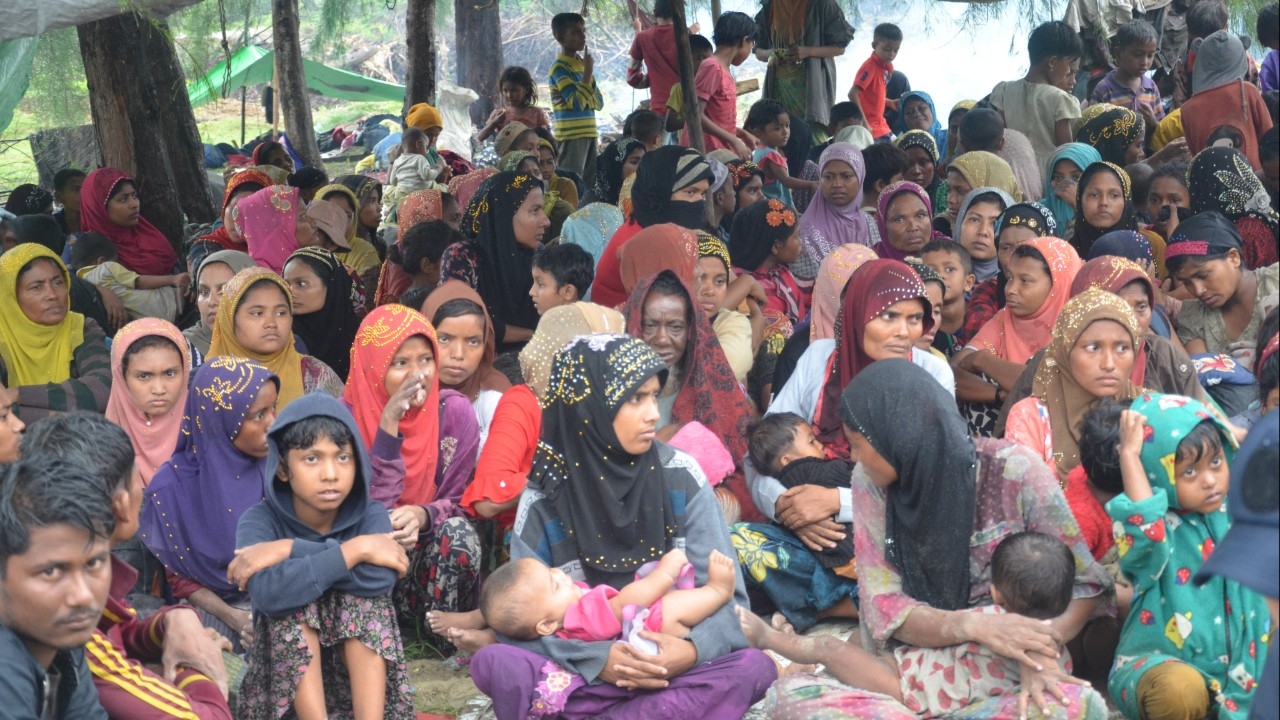
According to the United Nations High Commissioner for Refugees (UNHCR), over 1 million Rohingya currently live in temporary refugee camps in Bangladesh after fleeing violence during the 2017 crackdown in Myanmar.
Source: Irrawaddy