

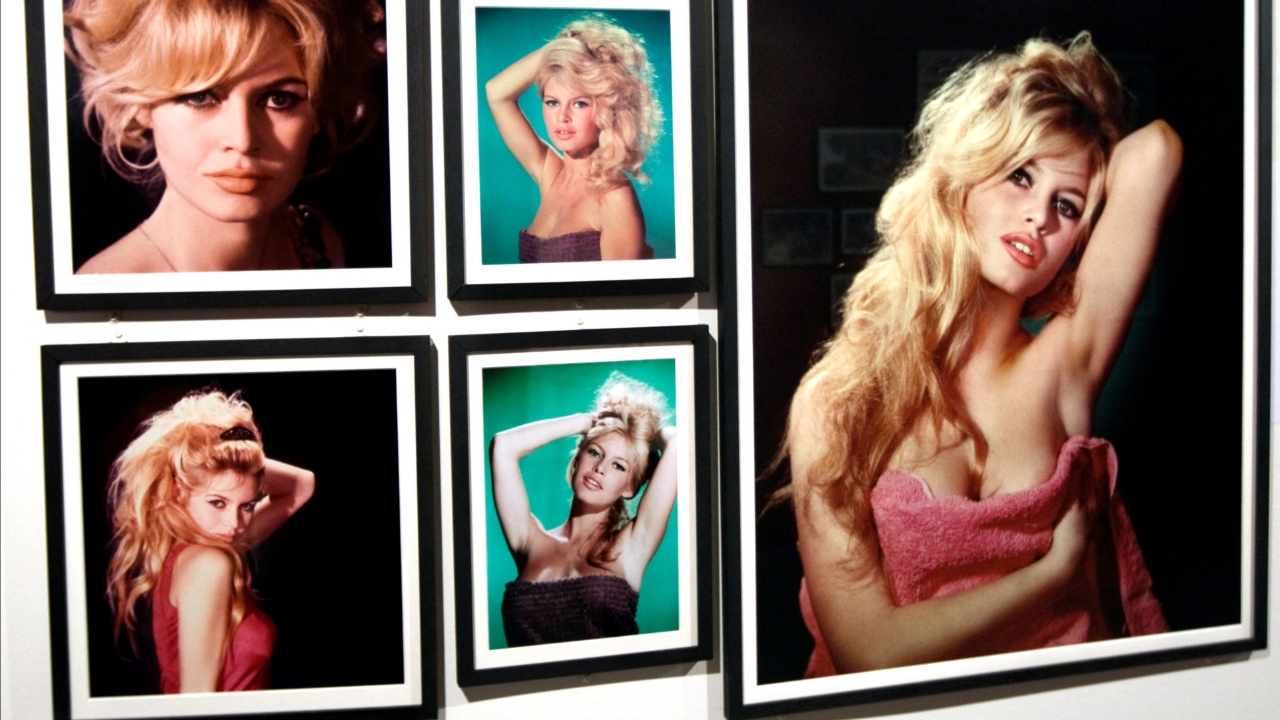
Brigitte Bardot, a legendary actress who revolutionized French cinema before becoming a devoted animal welfare advocate, has died at age 91.
Foreign news agencies reported on Sunday, 28 Dec 2025 GMT+7, that Brigitte Bardot, the French actress who revolutionized French cinema in the 1950s and became a symbol of sexual freedom, has died at the age of 91.
The Brigitte Bardot Foundation, established by the legendary actress, announced the sad news. The foundation remembered her as a "world-renowned actress" but did not specify when or where Bardot passed away.
Known as the icon of the film world, or simply "BB" in her home country, she starred in nearly 50 films including "And God Created Woman". She decided to retire from acting in 1973 to dedicate her life to animal welfare work.
French President Emmanuel Macron said the entire nation mourns the loss of a "legend of the century." Meanwhile, far-right French politician Marine Le Pen said France had lost an "extraordinary woman, gifted with talent, courage, straightforwardness, and beauty."
Bardot's husband, whom she married in 1992, was Bernard d'Ormale, a former advisor to Jean-Marie Le Pen, the late far-right politician and father of Marine Le Pen.
However, in her later years, Bardot's reputation was tarnished after she made derogatory remarks about LGBTQ+ individuals and was fined multiple times for inciting racial hatred.

Brigitte Anne-Marie Bardot was born in Paris in 1934 into a wealthy family that hoped she would become a ballet dancer. She was discovered at a young age after appearing on the cover of Elle magazine and quickly became a sensation nationwide, leading her into the film industry.
Bardot took on many legendary roles, most notably in the 1956 film "And God Created Woman," directed by her then-husband Roger Vadim, in which she played a sexually liberated woman.
The film shocked American audiences and was banned in some U.S. states, while French existentialist philosopher Simone de Beauvoir hailed Bardot as an icon of "complete freedom."
Throughout the late 1950s and 1960s, she became a global phenomenon with roles in films such as "The Truth," earning critical acclaim for her nuanced acting, "Contempt," a masterpiece by Jean-Luc Godard, and "Viva Maria!" showcasing her comedic talent alongside Jean-Paul Belmondo.
Beyond these iconic roles, Bardot demonstrated versatility in films like "Love on a Pillow," portraying a complex, emotionally conflicted character, and the romantic drama "Two Weeks in September," highlighting her ability to convey vulnerability.
In "The Bear and the Doll," she brought playful charm to a comedic role, proving her range across genres. Although these films were less popular than her major hits, they underscored her skill in engaging audiences with diverse stories.
Besides her film work, Bardot is remembered as a fashion icon with her signature tousled blonde hair and sharp eyeliner, trends that spread worldwide, especially after she wore an off-shoulder dress at the 1949 Cannes Film Festival, creating the style known as the "Bardot neckline."
Bardot was married four times and had one son, Nicolas, with the late French actor and film producer Jacques Charrier, who passed away in September.
Later, Nicolas sued his mother for emotional distress after she wrote in her autobiography that she "would have preferred to give birth to a puppy rather than her own son."
Bardot was heavily marketed as a femme fatale, which troubled her as she aspired to be taken seriously as a skilled actress. She retired at just 39 years old, at the height of her fame, to dedicate her remaining life to animal welfare.
"I have given my youth and beauty to men; from now on, I will dedicate my intelligence and experience to animals," Bardot once said, a statement that became famous. In 1986, she founded the Brigitte Bardot Foundation to protect both wildlife and domestic animals.

She later adopted a vegetarian diet and in 2013 even threatened to seek Russian citizenship to protest plans to euthanize two sick elephants in a French zoo.
Despite her cinematic success and extensive animal welfare work, Bardot was controversial for her comments on Islam, LGBTQ+ people, and the #MeToo movement, which affected her public image.
Since the late 1990s, Bardot was fined multiple times for inciting racial hatred after making public statements online and in interviews about Muslims.
In 2008, she was fined 15,000 euros (approximately 549,000 baht) after posting on her website that Muslims were "destroying our country by imposing their customs."
Bardot also faced heavy criticism for her 2003 book "A Cry in the Silence," where she accused LGBTQ+ people, modern art, politicians, and immigrants of destroying French culture.
In 2018, Bardot attacked actresses speaking out about sexual harassment during the #MeToo movement, calling them "hypocrites, ridiculous, and annoying."
"Many actresses have seduced producers to get roles," Bardot said in an interview with the French magazine Paris Match.
Follow international news:https://www.thairath.co.th/news/foreign
Source:bbc