

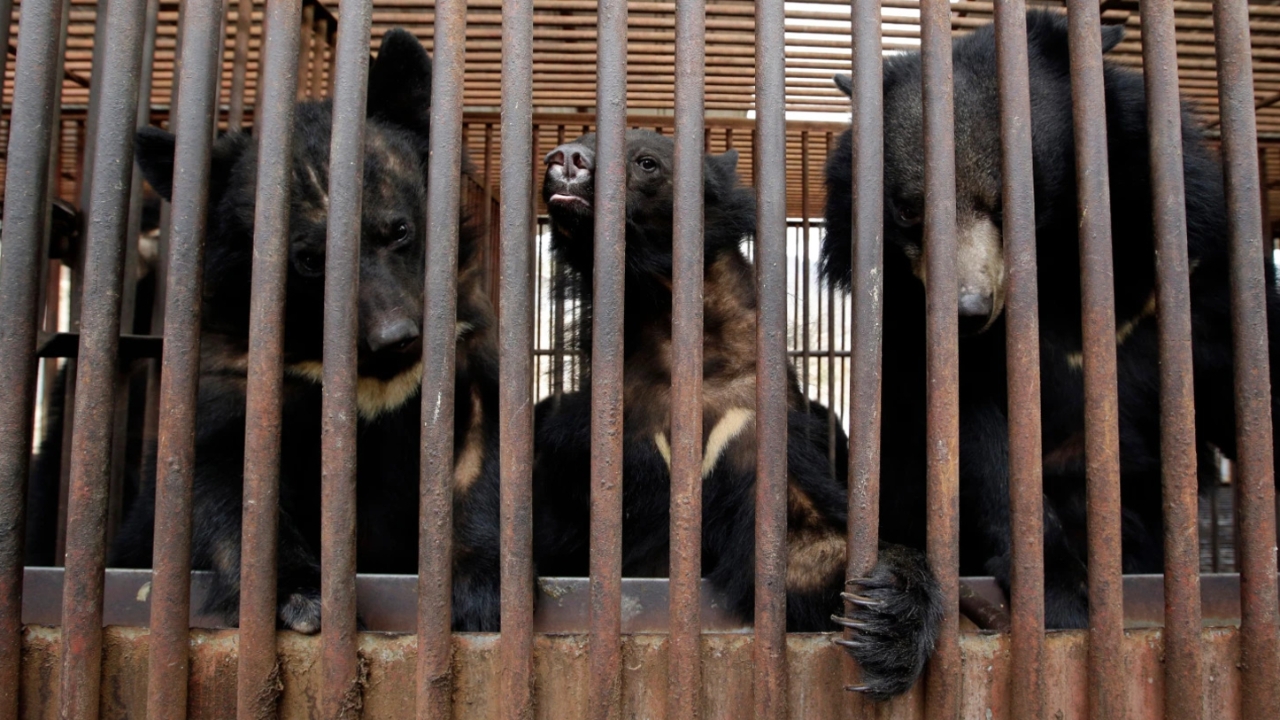
South Korea's Ministry of Environment announced a ban on breeding, possession, and commercial extraction of bear bile starting 1 January, with maximum prison terms of five years. This ends a long-criticized industry, while about 200 bears remain on farms awaiting transfer to sanctuaries amid ongoing compensation disputes with farmers.
The Ministry of Environment, Energy and Climate Change of South Korea officially stated that from 1 January onward, the country will strictly prohibit the breeding, possession, and extraction of bear bile to end the heavily criticized industry long associated with animal cruelty.
Under the newly amended Animal Protection Act, violators face 2 to 5 years imprisonment. The government will allow a six-month grace period for farmers but will enforce penalties immediately if bile extraction is detected during this time. This policy is part of a 2022 agreement among the government, farmers, and animal rights activists.
Bear farming began in South Korea in the early 1980s, importing bears from Southeast Asia, including Malaysia. Moon bears were especially used for bile extraction from their gallbladders, employed in traditional medicine and supplements. However, over the past 20 years, demand has sharply declined due to cheaper alternatives and growing public awareness of the cruelty endured by bears confined in small cages for life.
Currently, about 199 bears are kept on 11 farms nationwide. Although 21 bears were purchased and relocated this year to a state wildlife sanctuary in Jeolla Province, conflicts remain over compensation, with farmers demanding higher payments than those offered by the government.
Kim Kwang-soo, Secretary General of the Bear Breeders Association, who keeps 78 bears, said, "This is a very bad policy." Many farmers must sell bears cheaply just to survive, though he confirmed they will comply with the new law.
Animal rights activists praised the government's commitment but expressed serious concerns over two main issues: the first sanctuary's limited capacity and the delay of the second sanctuary's opening until 2027 due to flooding. They called on the government to support the creation of "private wildlife sanctuaries" so these bears can live their final years in a truly natural environment rather than being sent solely to foreign zoos.
Kim Sung-hwan, Minister of Environment, affirmed, "The plan to end bear farms reflects the nation's commitment to improving wildlife welfare and honoring international agreements. We will strive to protect these bears until the very last one."