

From battlefield to learning center, South Korea promotes peace tourism in Busan by opening spaces to remember the Korean War through museums, memorials, and refugee villages.
Although the Korean War ended over 70 years ago, its scars remain deeply embedded in many parts of the country. South Korea has chosen to use this painful history as a vital tool to convey lessons of peace through the concept of peace tourism, especially in Busan, a southern port city that once served as a temporary capital and refuge for millions of displaced people during the war.
The Korea Tourism Organization (KTO) has integrated the Korean War events into historical tourism linked to the past conflict. Busan is full of stories about people during the war era, particularly the parents who sacrificed for their families amid hardship. This has led to the development of peace tourism centered on Busan's narratives.

The main destination that cannot be overlooked is the Korean War Memorial Museum (UN Memorial Hall). This site is the only monument in the world dedicated to United Nations soldiers from 16 countries who fought and died in the Korean War from 1950 to 1953.


Inside the museum, exhibits go beyond weapons and battle maps to tell the stories of people's lives during that time through letters, photographs, and personal records of individual soldiers, making the war more than just numbers in textbooks but a tangible loss.

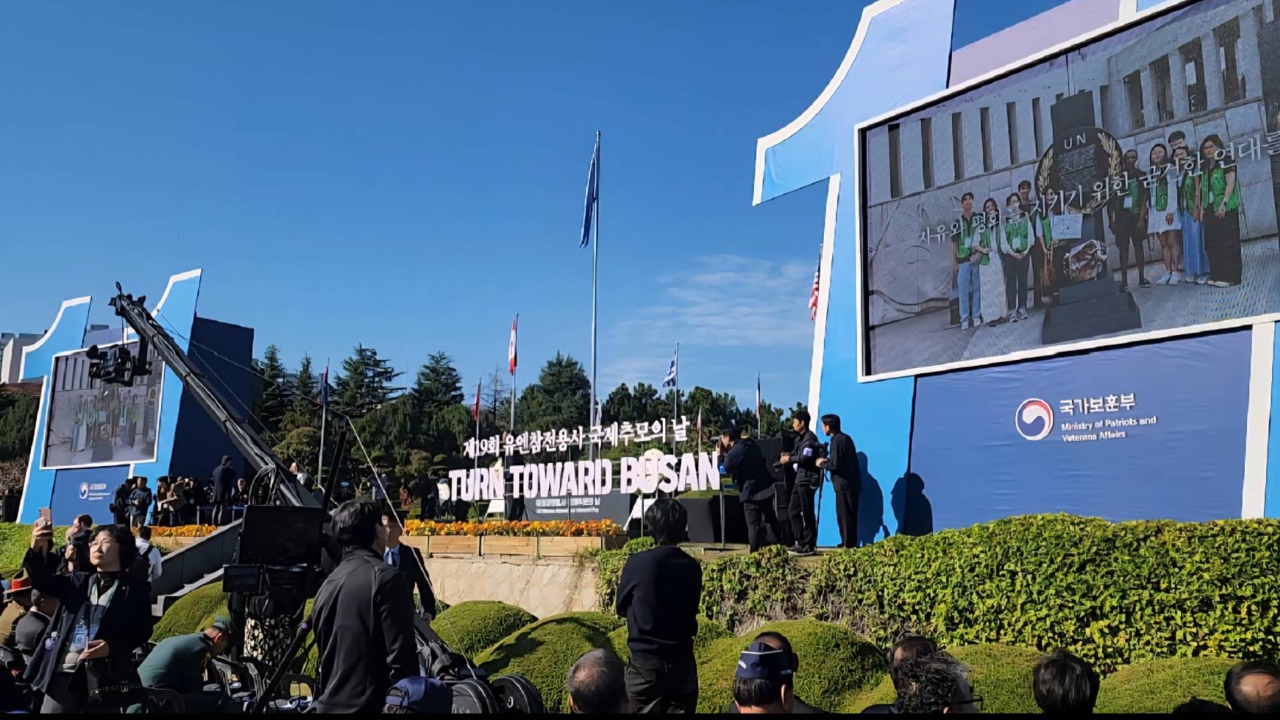
Additionally, there is the United Nations Peace Park (UN Peace Park). Located in Busan, this park is designed as a place of peace and remembrance. This green space often hosts commemorative ceremonies on significant historical days. Its simple atmosphere invites visitors to reflect on the consequences of war, loss, and to question the value of peace that the modern world must still protect.
The Korean War began on 25 June 1950, with many military personnel and civilians sacrificing their lives. While there are many memorial sites across the country, the United Nations Memorial here is unique as the only place in the world built to commemorate UN peace efforts.

Meanwhile, the stories of war refugees are conveyed through Gamcheon Culture Village. This hillside village, with houses stacked according to the terrain, was originally a community of war refugees. It has been revitalized into a contemporary art hub filled with murals, installations, and colorful alleys. Behind its beauty lies the history of people's struggle to survive during a time when the country was still wounded by war.

Not far from there is Ami-dong Tombstone Culture Village. This area starkly reflects the harsh realities of war. Originally a cemetery, refugees built homes atop tombstones because they had nowhere else to go. Remarkably, some gravestones remain part of the current house structures. This village is preserved to tell the true stories of people living amid loss and scarcity during the war.
The concept of opening peace tourism routes in Busan is not merely to attract tourists but represents South Korea's effort to emphasize that peace does not occur by itself but is the result of painful lessons from the past that the world should never forget.
Promoting these tourism sites not only draws visitors worldwide but also reinforces South Korea's image as a country that uses its history of conflict as a lesson toward peace, understanding, and sustainable international cooperation.