

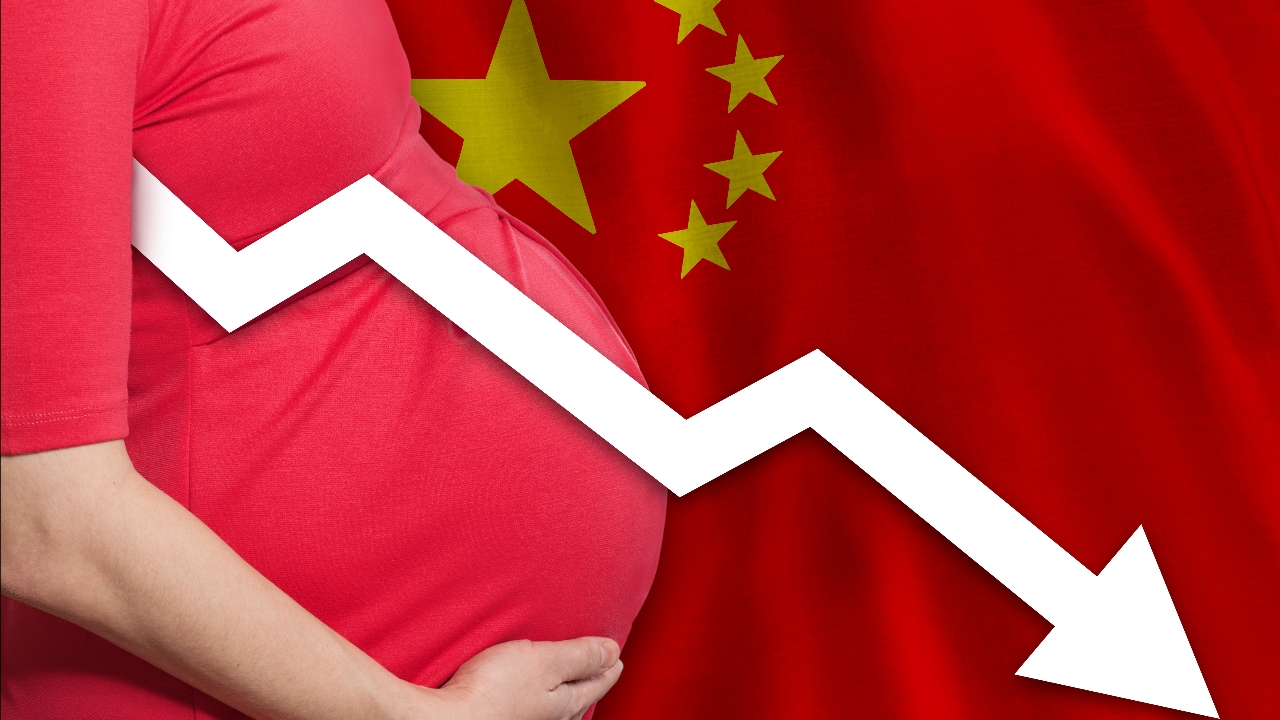
China is advancing measures to stimulate birth rates amid an aging population crisis by imposing taxes on contraceptive devices and exempting childcare services, including marriage and elderly care services, from taxation.
Facing an aging population crisis and economic slowdown, China announced new measures to boost birth rates. Starting 1 January, the Chinese government will impose a 13 percent tax on contraceptive sales, including condoms and birth control pills, while exempting value-added tax (VAT) on childcare services, as well as marriage and elderly care services.
These measures are part of the most significant tax system overhaul in decades, removing many exemptions that had been in place since 1994, when China strictly enforced its one-child policy.
Beijing authorities face pressure from rapidly changing demographics, with China's population declining for the third consecutive year. Official data indicates only 9.54 million newborns in 2024, roughly half the number from a decade ago when China began relaxing its childbearing restrictions. The government is implementing various measures—from extending maternity leave and increasing cash subsidies for families to adjusting taxes—to encourage young people to marry and have more children.

However, the tax on contraceptive devices has sparked widespread criticism, raising concerns about unintended pregnancies and HIV spread, along with online ridicule. One social media user joked, "We might as well stockpile condoms for life now," while another commented, "People already weigh the cost of condoms against the expense of raising a child."
A 2024 report from the YuWa Population Research Institute states that China is among the countries with the highest child-rearing costs globally, especially due to the competitive education system, as well as the burdens women face balancing work and childcare.
Meanwhile, a real estate crisis affecting household savings and an economic slowdown have left many young people feeling insecure about their futures.
Daniel Luo, 36, from Henan Province, said the condom tax is not a deciding factor, since the slight price increase per box is negligible compared to the long-term costs of raising a child.
Demographer Yi Fuxian from the University of Wisconsin–Madison believes expecting condom taxes to raise birth rates is overambitious and may merely reflect government efforts to raise revenue amid public debt and a sluggish property market.
Henrietta Levin from the Center for Strategic and International Studies (CSIS) noted that this policy is more symbolic and may have limited effect if heavily indebted local governments cannot allocate budgets to support it effectively.
Analysts and many women point out that low birth rates are not unique to China but reflect a global trend seen in Japan, South Korea, and Western countries, driven by social changes, high stress, declining marriage rates, and shifts in traditional relationships.
Click to read news aboutChina
Source:BBC