

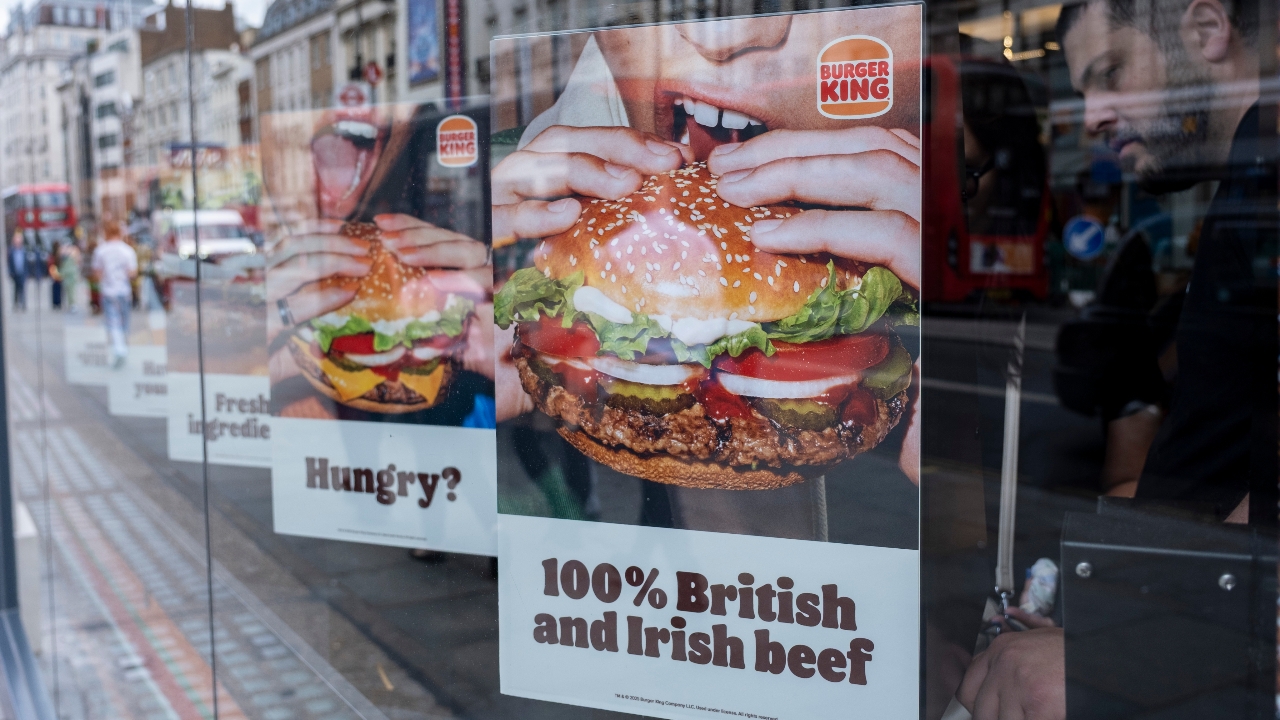
The UK government began enforcing a new requirement today (5 Jan) banning the broadcast of "junk food" advertisements—foods and drinks high in fat, salt, or sugar—during daytime hours on television, and prohibiting online ads at all times. This proactive measure aims to address the problem of childhood obesity.
From today (5 Jan), England's new junk food advertising controls officially take effect. The government has praised this as a "world-leading action" to tackle childhood obesity, expected to reduce children's calorie consumption nationwide by up to 7.2 billion calories annually.
Under these stricter regulations, ads for unhealthy products are banned on television before 9:00 p.m. and completely prohibited from paid promotions on all online media. The Department of Health estimates this will reduce childhood obesity by 20,000 cases and generate approximately £2 billion (about 84.26 billion baht) in health benefits.
This measure is part of an ongoing strategy since its announcement in 2024, which includes expanding sugar taxes on ready-to-drink products like milkshakes, coffee, and yogurt drinks, as well as empowering local authorities to halt fast-food outlets near schools.
Government data indicate that advertising greatly influences children's eating habits and preferences from a young age. Currently, over 22% of children starting primary school in England are overweight or obese, rising to more than one in three by age 11. Additionally, tooth decay has become the leading cause of hospital admissions among young children.
Health Secretary Ashley Dalton stated, "Limiting exposure to unhealthy food advertising will help the National Health Service (NHS) shift its focus from treatment to prevention, supporting longer, healthier lives for the population."
Social organizations including the Obesity Health Alliance and Diabetes UK have welcomed the measure, noting the alarming rise of type 2 diabetes in younger generations. Obesity is a key risk factor leading to serious complications such as kidney failure and heart disease. This advertising ban acts as a protective shield for children's health and well-being in the long term.
.sourceAFP