

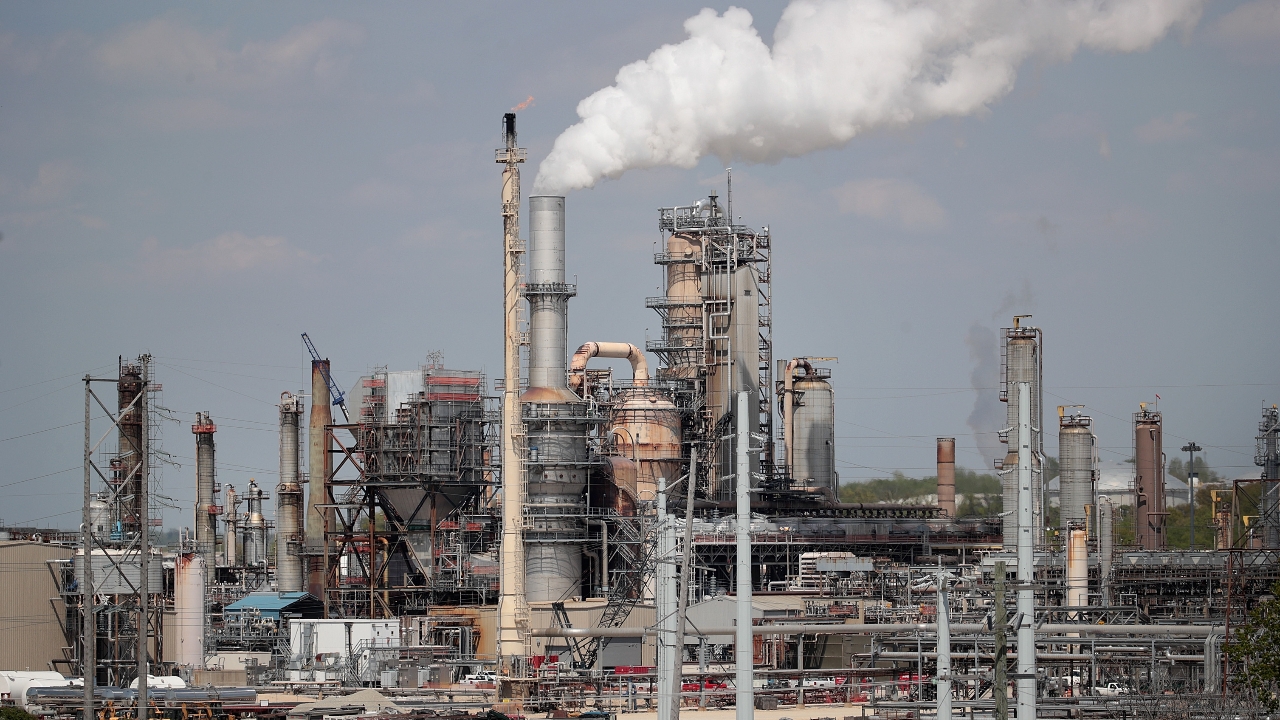
U.S. President Donald Trump revealed that the United States and Venezuela have reached a significant agreement to export crude oil worth more than $2 billion (about 62.43 billion baht) to the U.S. This marks a major shift in trade, redirecting oil supplies away from China and responding to U.S. demands for Venezuela to open its oil sector to American companies.
Under this agreement, Venezuela will deliver 30 to 50 million barrels of oil that were previously sanctioned and are currently held on oil tankers and in storage due to export blockades since mid-December. Trump stated on social media that "this oil will be sold at market prices, and I, as U.S. president, will control all proceeds to ensure they are used for the benefit of the people in both countries."
Chris Wright, U.S. Secretary of Energy, will be responsible for overseeing the operation, with oil shipments moving directly from the vessels to U.S. ports immediately.
This deal comes amid political tensions after U.S. forces detained Venezuelan Prime Minister Nicolás Maduro over the past weekend—a move condemned by Venezuelan authorities as a kidnapping. Meanwhile, the U.S. has backed Delcy Rodriguez as interim president, who has agreed to allow private companies and the U.S. full access to the country's oil industry.
Immediately after the announcement, U.S. crude oil prices dropped more than 1.5%, reflecting expectations of increased oil supply to the market. Currently, Chevron is the only American company authorized to continue transporting oil from Venezuela in recent weeks.
Additionally, discussions are underway about using an "auction" mechanism to allow U.S. buyers to bid competitively for the oil, as well as the possibility of storing Venezuelan heavy crude in the U.S. Strategic Petroleum Reserve in the future.
U.S. Secretary of Homeland Security Doug Burgum described this as "good news" for labor security and future oil prices. He views Venezuela as having an opportunity to attract investment for economic recovery through technology and cooperation with the U.S. Without this deal, Venezuela might need to reduce production further due to full storage capacity preventing increased output.
However, it remains unclear how much the Venezuelan government will be able to access from these oil sale proceeds, due to sanctions limiting the government's ability to conduct transactions in the U.S. dollar system.
. Reuters