

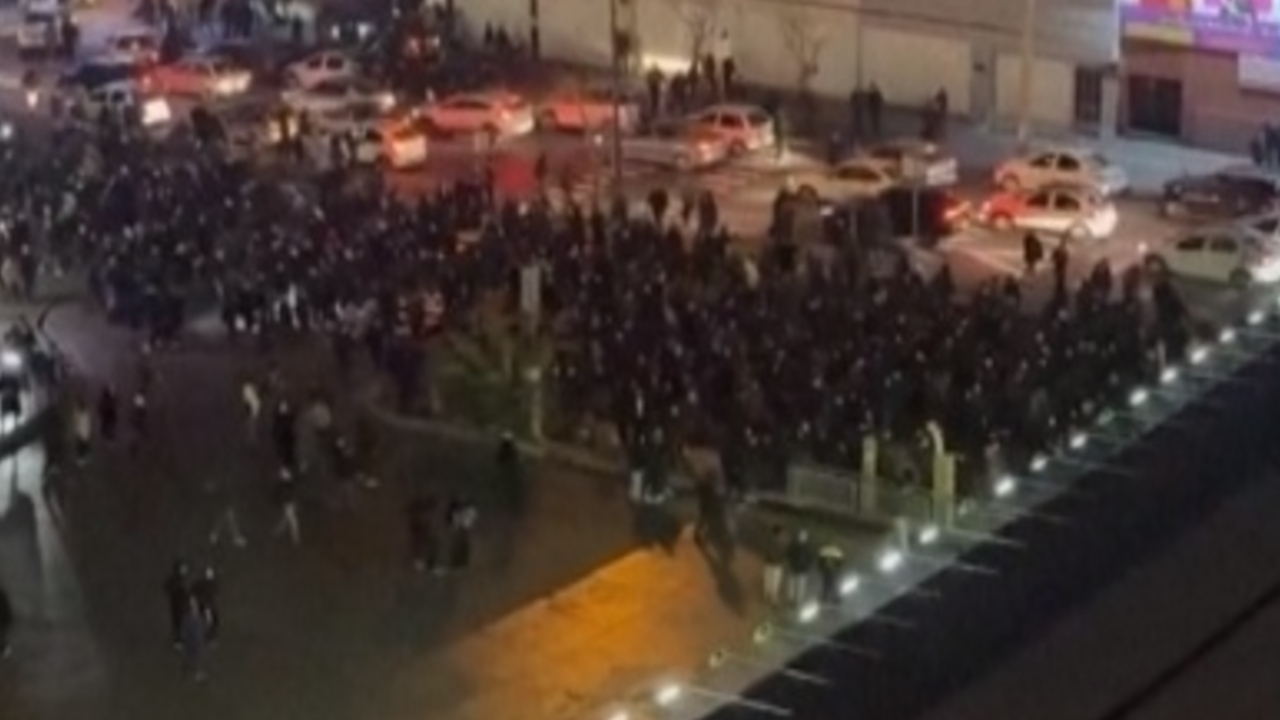
Large-scale protests in Iran have reached their 12th consecutive day, with internet outages reported in several cities as demonstrations over the economic crisis spread across the country.
Foreign news agencies reported that many cities in Iran experienced complete internet blackouts on the night of Thursday, 8 Jan 2026 GMT+7, while protests over economic conditions, ongoing for 12 days, have spread nationwide, increasing pressure on Iran’s leadership.
Although the exact cause of the internet outages remains unclear, Iranian authorities have frequently used internet shutdowns as a response to protests.
Earlier that day, NetBlocks, an organization monitoring internet freedom, reported disruptions in internet signals in Kermanshah city in western Iran, coinciding with intensified crackdowns on protesters by authorities.
The Iran Human Rights (IHR) organization, based in Norway, stated on Thursday that Iranian security forces have killed at least 45 protesters, including 8 children, since the protests began in late December.
Shop owners responded to calls from seven Kurdish political groups to strike on Thursday, closing businesses in predominantly Kurdish areas and dozens of other cities across Iran. By Thursday, protests had spread to all 31 provinces with no signs of abating.
In the southern Fars province, protesters toppled a statue of General Qasem Soleimani, the late commander of Iran’s Quds Force, as a show of opposition to the government, given his status as a revered hero among government supporters.
IHR reported that the previous Wednesday was the bloodiest day in the 12-day protest period, with 13 deaths, hundreds injured, and more than 2,000 arrests.
However, Iranian state media and official statements reported at least 21 deaths, including security personnel, since the protests began.
This is the largest protest movement in Iran in over three years. While the scale has not matched the 2022 “Woman, Life, Freedom” protests, it has nevertheless exerted significant pressure on Iran’s political and security leadership.
Iranian President Masoud Pezeshkian called on Thursday for patience in handling the demonstrations, urging avoidance of violence or intimidation, and encouraging dialogue, participation, and listening to public demands.
The protests were triggered by a sudden sharp depreciation of the national currency and a general economic downturn, posing a challenge for the government to address protesters’ grievances amid ongoing currency decline and the cancellation of subsidized exchange rates for importers, which has rapidly driven up consumer prices.
Everyday life is becoming increasingly unaffordable for Iranians, with average food prices rising by about 70% compared to the previous year, and medicine prices increasing by roughly 50% over the same period.
The government says that resolving the worsening economic crisis largely exceeds its capacity. Despite efforts to tackle corruption and price gouging, it has limited tools to address the problems. It blames the country’s economic hardships mainly on external factors, particularly severe Western sanctions imposed in response to Iran’s nuclear program.
Follow international news:https://www.thairath.co.th/news/foreign
Source:The Guardian