

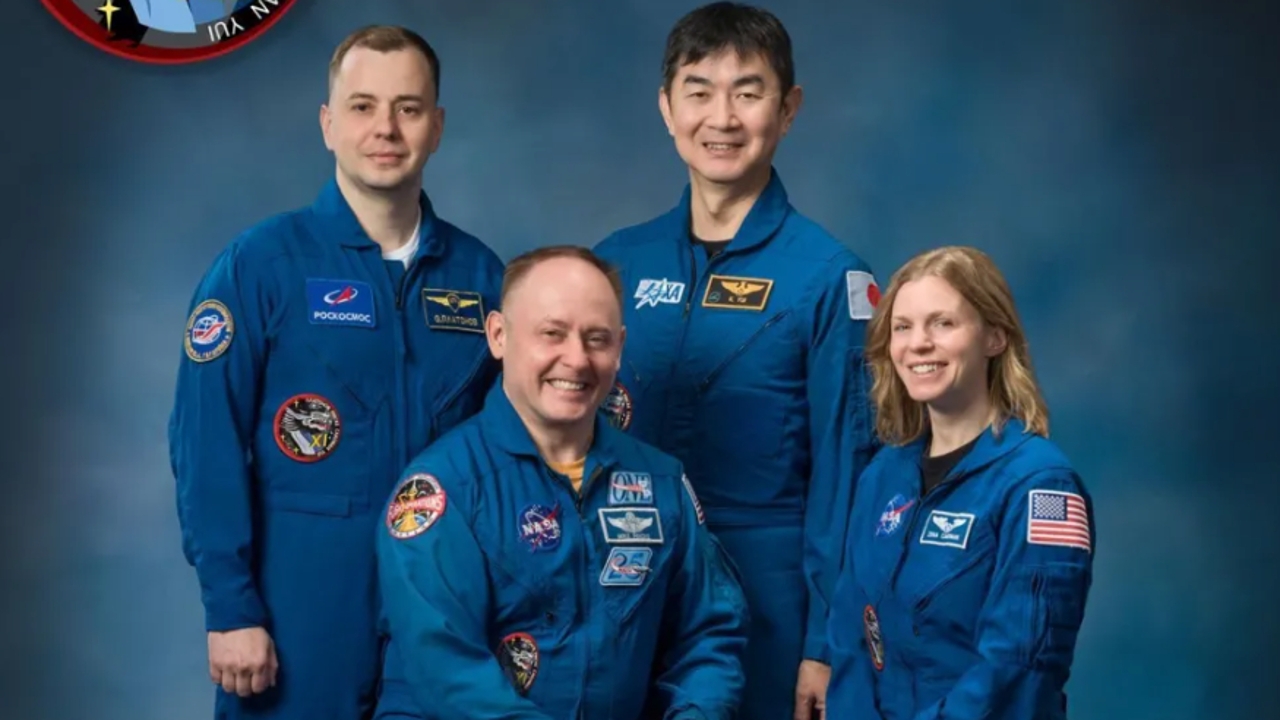
NASA is preparing to bring four astronauts from the International Space Station back to Earth about one month early after one astronaut became seriously ill. This is the first early return in history since 2000.
NASA has not revealed the name of the ill astronaut or details of the condition, citing health privacy reasons, but confirmed that the patient is currently stable and does not require emergency evacuation.
Just one day earlier, NASA surprised many by canceling a scheduled spacewalk on Thursday due to medical concerns, which later triggered the decision to end the entire mission early.
The early crew return was officially announced by NASA Administrator Jared Isaacman during a press conference with senior agency officials. Although details were limited, NASA emphasized that the illness is unrelated to space operations, is not due to an accident or injury, and that an updated return timeline is expected within 48 hours.
This astronaut group, known as Crew-11, includes Zena Cardman and Mike Fincke from the United States, Japanese astronaut Koichi Wakata, and Oleg Platonov from Russia.
However, NASA stated that one American astronaut and two Russian astronauts will remain temporarily on the ISS to maintain essential station systems.
Dr. James Polk, NASA's chief health and medical officer, said this is the first time in NASA's more than 65-year history that a space mission has been cut short due to medical issues.
Crew-11 launched to the space station in August last year aboard the SpaceX Crew Dragon, originally scheduled for a six-month mission before handing over to a new crew next month.
Although the space station has basic medical equipment, secure communication, and allows Earth-based doctors to assess astronauts' conditions in real time, a sudden reduction in crew numbers could impact critical mission activities.
Dr. Simian Barber, a space scientist from Open University, explained that the ISS is a highly complex engineering structure designed to require a minimum crew to manage systems. In such situations, remaining crew may need to reduce scientific experiments, focus on maintenance and station safety, and wait for the arrival of the new crew.
. Source:BBC
Click to read news aboutNASA