

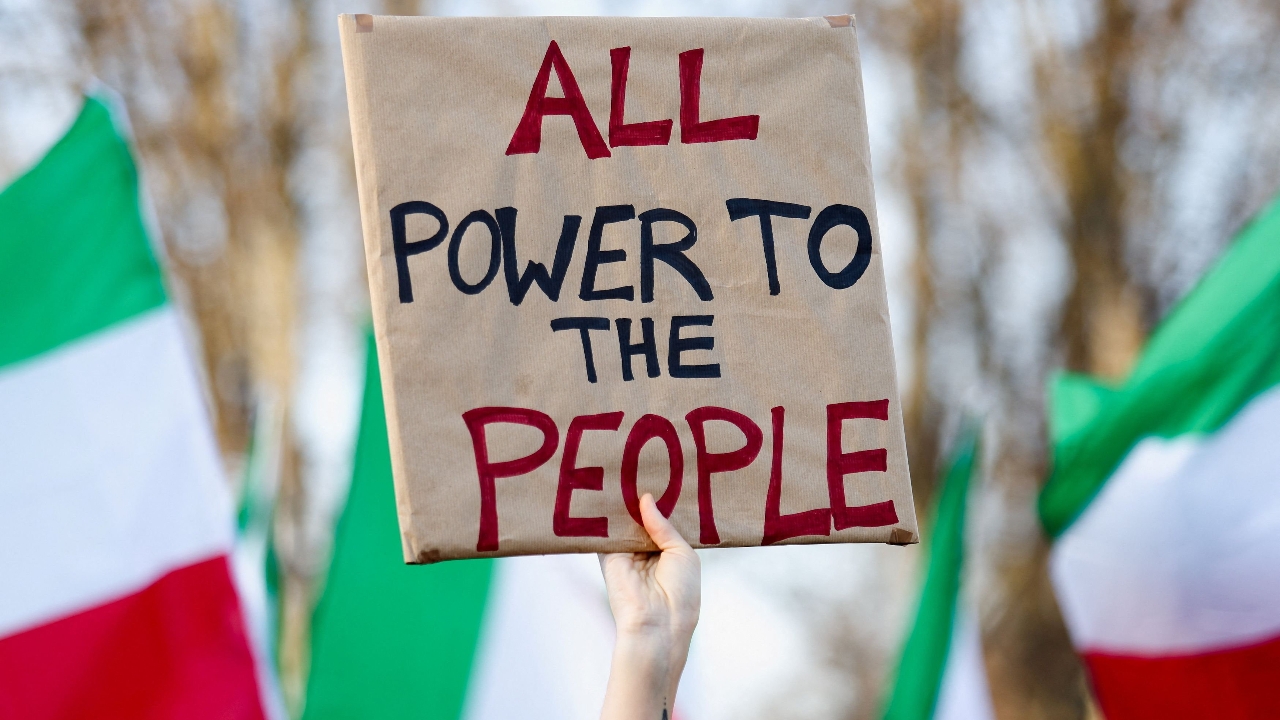
Communication conditions in Iran are beginning to ease after reports that the internet has been partially restored during certain periods, before being cut off again, amid close monitoring by human rights organizations.
Internet monitoring group NetBlocks reported on Sunday, 18 Jan 2024 GMT+7, that internet usage in Iran temporarily increased after the government allowed limited access to some services such as Google and messaging apps, though under strict filtering, before connectivity was restricted again later.
The internet shutdown began on 8 Jan 2024 GMT+7 amid criticism from human rights groups, who say it is a state attempt to block information and conceal security forces’ violent actions against protesters.
Protests erupted in Iran in late December due to economic dissatisfaction, cost of living, and governance issues, escalating into one of the largest demonstrations in years, then gradually subsiding following a severe crackdown described by rights groups as a massacre.
Norway-based Iran Human Rights (IHR) has confirmed at least 3,428 protester deaths based on hospital data, witness accounts, and independent domestic sources, but warns the actual number may be much higher.
Other estimates from various sources suggest death tolls may exceed 5,000 and possibly reach up to 20,000; however, the ongoing internet blackout has hindered independent verification.
The opposition broadcaster Iran International cited senior government and security officials claiming at least 12,000 deaths, a figure rejected by Iran’s judiciary.
Political tensions escalated further after former US President Donald Trump stated it was time for new leadership in Iran and criticized Supreme Leader Ayatollah Ali Khamenei as allowing the killing of citizens.
Iranian President Masoud Pezeshkian immediately warned that attacks or threats against the Supreme Leader amount to a declaration of war against the entire Iranian people.
Although Iranian authorities assert that order has returned to the streets and schools have reopened, AFP reporters observed security forces patrolling Tehran with armored vehicles and motorcycles.
President Pezeshkian also said he proposed to the National Security Council to lift internet restrictions as soon as possible, with some citizens reporting restored ability to make international WhatsApp calls and send messages in recent days.
Iran’s judiciary emphasized that those inciting violence may face charges of waging war against God, punishable by death, raising serious concerns among the international community.
Analysts suggest that threats of the death penalty are a key government tool to intimidate and end protests amid ongoing international pressure closely watching Iran’s situation.
Read more aboutIran