

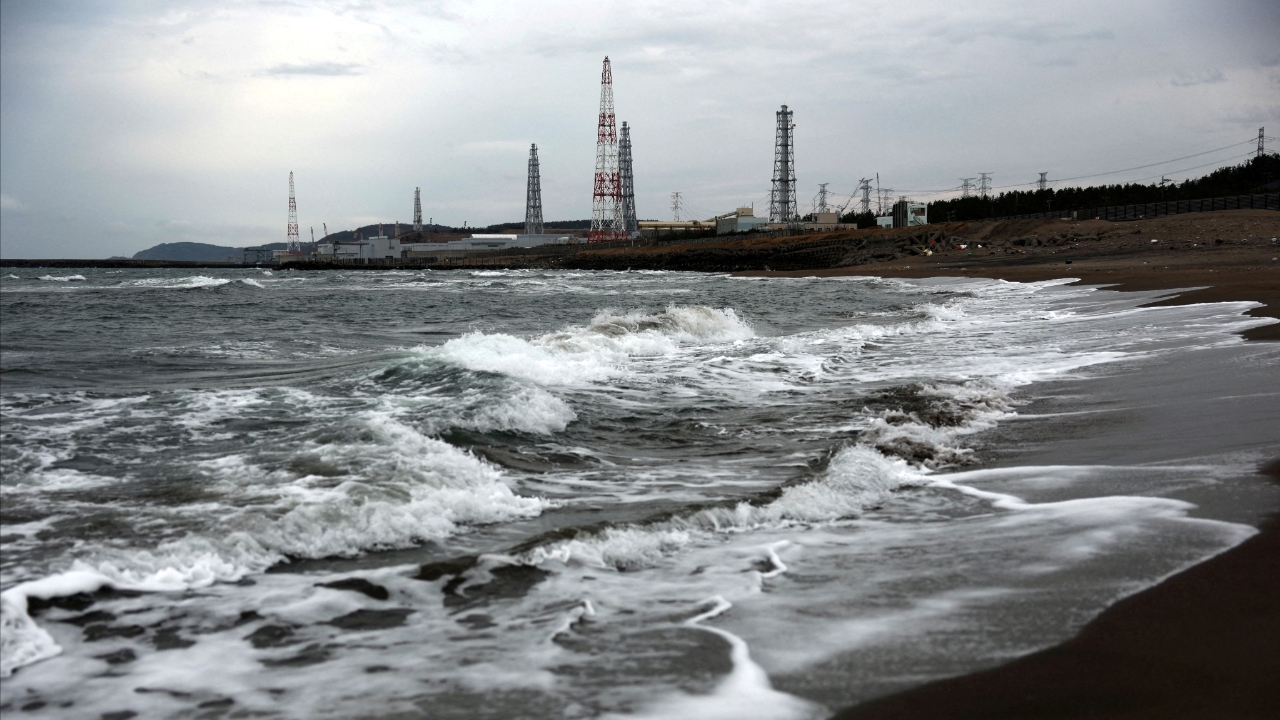
Japan has restarted the reactor at the world's largest nuclear power plant after being offline for more than 14 years, with the schedule delayed by one day due to a warning system malfunction.
Foreign news agencies reported on 21 Jan 2026 that Japan has resumed operations of reactor number 6 at the Kashiwazaki-Kariwa nuclear power plant, located northwest of Tokyo, after being shut down since the 2011 Fukushima disaster, which led to the closure of all nuclear reactors in the country.
The reactor restart has raised local safety concerns, and the process was delayed by one day due to a malfunction in the warning system. Commercial operations are scheduled to begin next month.
Japan heavily relies on imported energy and was one of the first countries to adopt nuclear power. However, in 2011, a magnitude 9.1 earthquake caused the Fukushima Daiichi nuclear plant's reactors to melt down, resulting in radioactive leaks and becoming the worst nuclear disaster in history.
Following the incident, Japan shut down all 54 reactors nationwide due to fear and a loss of public confidence, which fueled strong anti-nuclear sentiment among citizens.
It is expected that reactor number 7 at Kashiwazaki-Kariwa will not resume operations until 2030, while the other five reactors may be decommissioned, significantly reducing the plant's power generation capacity compared to the past.
Regarding the Fukushima Daiichi disaster, Tokyo Electric Power Company (Tepco), the plant owner, faced heavy criticism for lack of preparedness and poor coordination between the company and government. A government report described the event as a "man-made disaster."
However, later, a Japanese court acquitted three Tepco executives of negligence charges.
Over the past decade, Japan has been working to revive these nuclear plants as the country aims to achieve net zero greenhouse gas emissions by 2050.
Since 2015, Japan has restarted 15 of the 33 operable reactors. Kashiwazaki-Kariwa is the first Tepco plant authorized to resume operations.
Follow international news:https://www.thairath.co.th/news/foreign
Source:bbc