

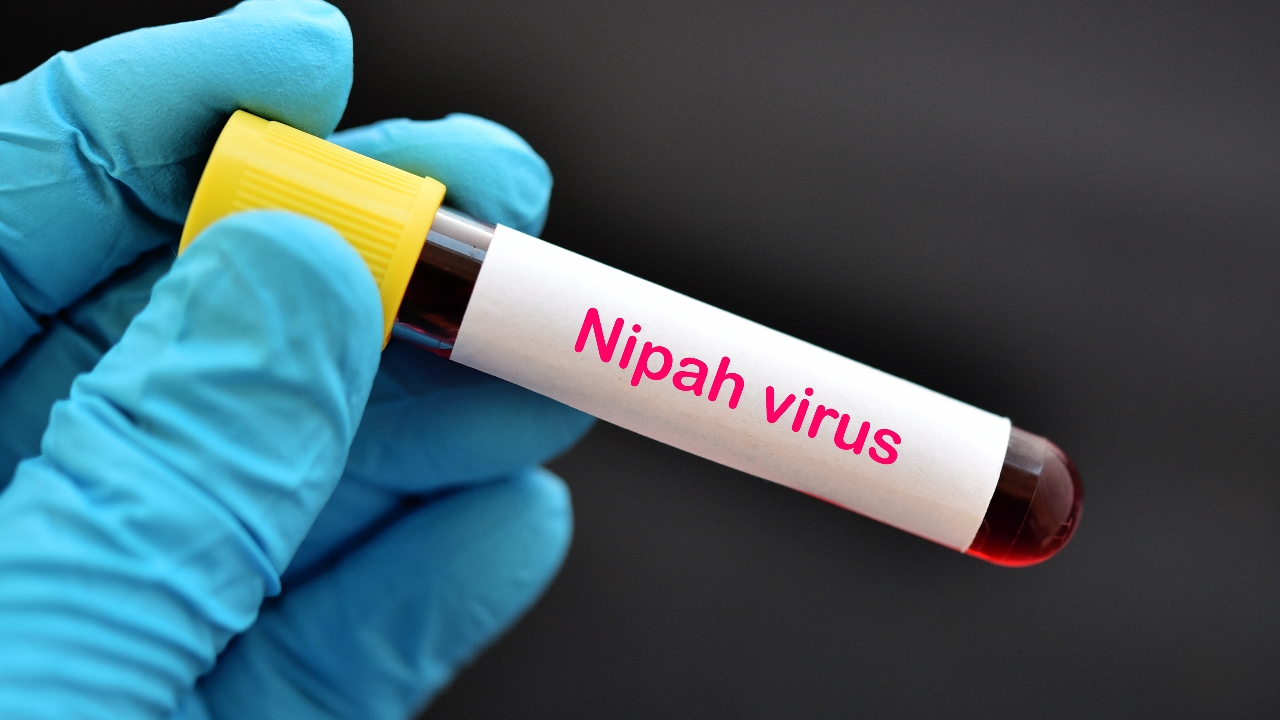
India is intensifying efforts to control the Nipah virus outbreak after confirming at least five infected individuals in West Bengal. Authorities have ordered nearly 100 people to quarantine in order to curb the spread, fearing a dangerous resurgence of the virus.
Reports indicate that the three newly confirmed cases this week include one doctor, one nurse, and one public health official. All are linked to a private hospital in Barasat, near Kolkata (Calcutta), the capital city of the state.
Previously, two cases had been reported involving a male and a female nurse working at the same hospital, prompting authorities to urgently investigate transmission routes and closely monitor close contacts.
State health officials revealed that all the latest infected patients were admitted to the Infectious Diseases Hospital in Beleghata, Kolkata, while the first two patients remain in critical care at the private hospital.
A senior official from the West Bengal Health Ministry stated, "The male nurse's condition is improving, but the female patient remains in a very critical state."
Meanwhile, authorities have ordered nearly 100 at-risk individuals to self-isolate at home following the identification of the first patient last Monday.
The Nipah virus is classified by the World Health Organization (WHO) as one of the most dangerous pathogens because of its potential to cause a major outbreak and the absence of specific vaccines or treatments.
Experts warn that Nipah is a zoonotic disease primarily harbored by fruit bats. Human infection typically results from consuming fruit or food contaminated with bat secretions, or through contact with bodily fluids such as saliva, urine, or blood from infected individuals.
India has experienced multiple Nipah outbreaks, especially in Kerala state, where dozens have died since 2018. Experts are concerned that if the virus mutates to transmit more easily between humans, it could cause a large-scale epidemic in the future.
Scientists believe the Nipah virus has existed in bats for thousands of years and remains a silent threat that the global community must closely monitor.
Click to read more aboutNipah virus