

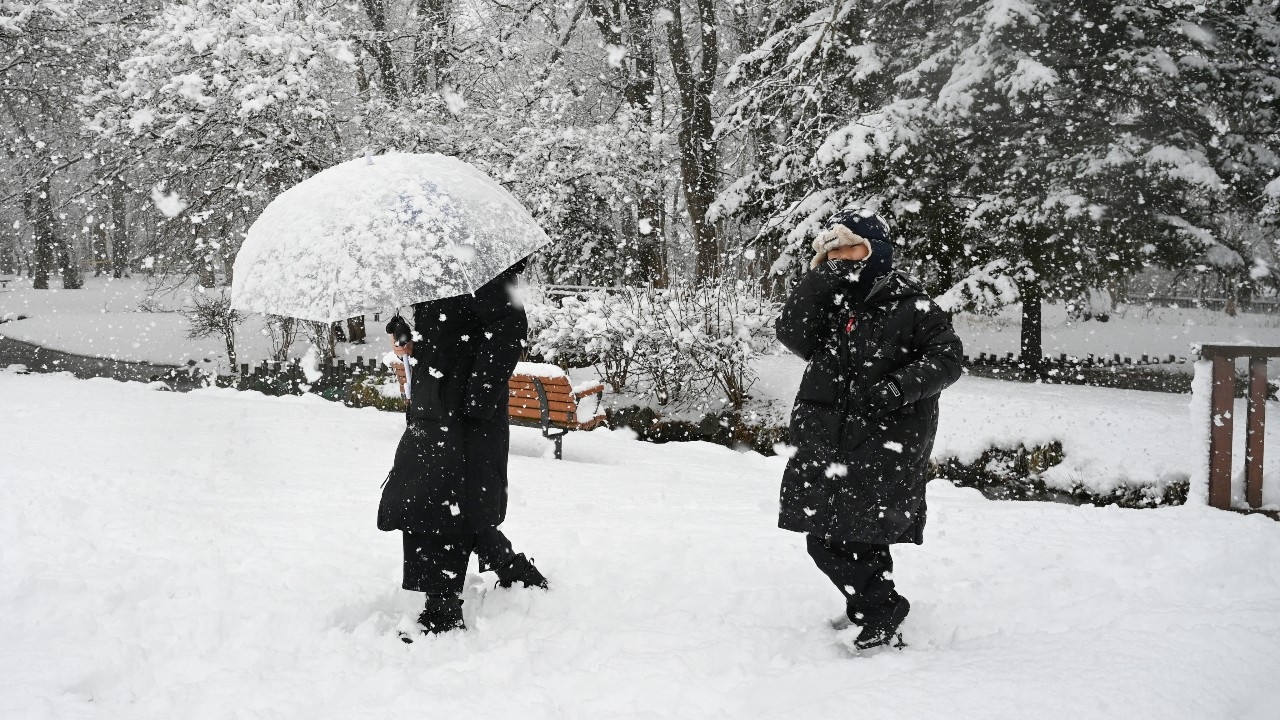
Extreme cold weather in Japan and snow-related accidents have resulted in 10 deaths over a 7-day period. Many areas have snow accumulation exceeding the annual average, prompting authorities to warn of avalanche risks and snow falling from rooftops.
On 27 Jan 2026 GMT+7, Japan's Ministry of Internal Affairs and Communications reported at least 10 deaths nationwide within just 7 days due to severe cold and snow-related accidents. Of these, six deaths occurred in Niigata Prefecture along Japan’s Sea coast. Local officials said four died from health issues while shoveling snow or doing outdoor activities, while the rest died after falling from roofs during snow removal.
Meteorological officials stated that although the heaviest snowfall in many parts of Japan has passed and the worst weather is easing, the accumulated snow in several areas has already exceeded the annual average, even where snowfall has stopped.
Japanese authorities have warned residents in areas with heavy snow accumulation to remain vigilant against snow avalanches, falling snow from roofs, and accidents during snow removal—especially when temperatures begin to rise and rain falls, increasing the risk of secondary hazards.
Reports indicate that Sapporo city in Hokkaido has over 1 meter of accumulated snow, the highest since 2022. Sukayu in the Hakkoda Mountains of Aomori Prefecture has snow depths reaching 4.5 meters, while Uonuma city in Niigata Prefecture is buried under nearly 2.5 meters of snow.
However, meteorologists warn that a low-pressure system will strengthen, bringing heavy snow and strong winds from Hokkaido to the Hokuriku region on Tuesday. Some areas in Hokuriku and Chugoku may see rain. Another heavy snowfall is expected along the Sea of Japan coast from northern to western regions on Thursday and Friday, driven by a strong cold air mass moving southward.
Source: NHK