

Japan is without pandas domestically for the first time in 50 years after China recalled "Xiaoxiao" and "Leilei," the beloved twin siblings from Ueno Zoo, returning them to China earlier than planned amid political tensions. This followed Japanese Prime Minister's hint at possible intervention in case Taiwan is attacked. Meanwhile, surveys show over 70% of Japanese do not want the government to negotiate a new panda lease from China.
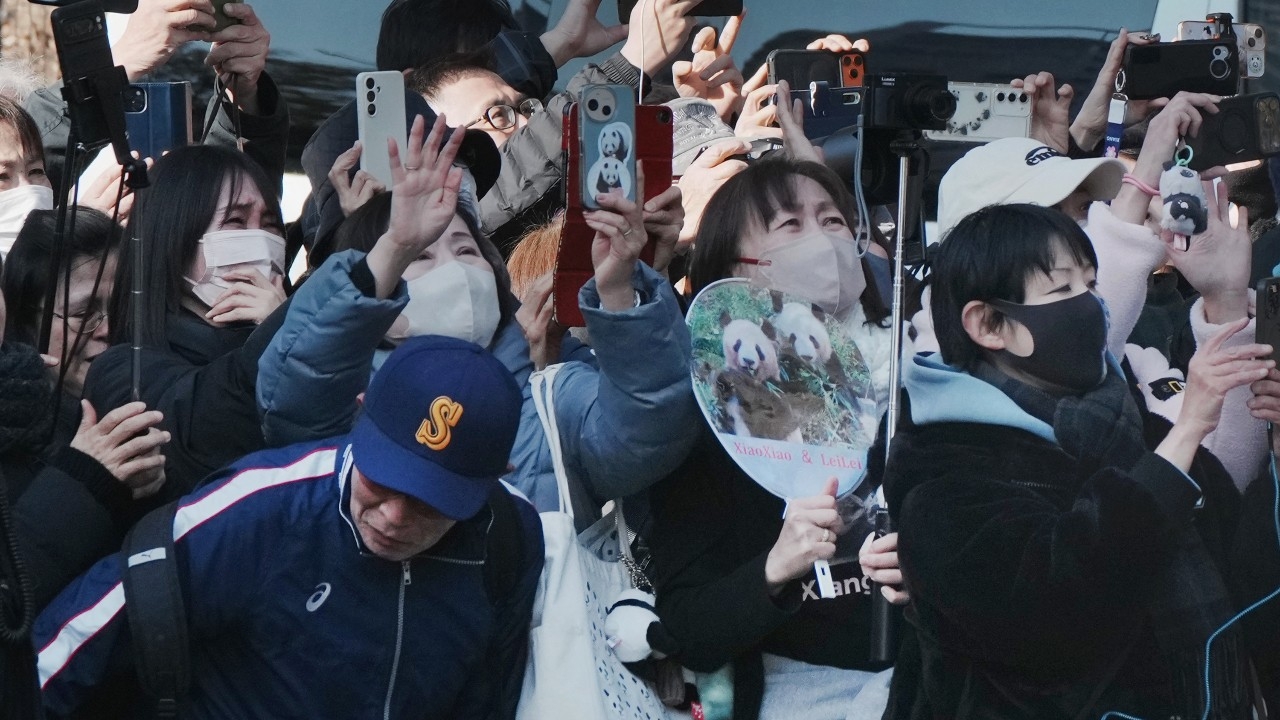
The atmosphere at Ueno Zoo in Tokyo was filled with sorrow as hundreds of Japanese fans gathered to bid a final farewell to "Xiaoxiao" and "Leilei," the four-year-old giant panda twins, who were transported by truck back to China today (27 Jan). This marks the first time in half a century that Japan has no pandas left in the country.
Many fans dressed in panda-themed clothes and accessories stood along the streets to see off the truck leaving the zoo, with some holding back tears. "Nene Hashino," a devoted fan, said, "I've watched them since they were born. It feels like my own children are going far away. The sadness is indescribable." Earlier, the zoo held a special farewell event for 4,400 lucky winners randomly selected from online registrants to see the pandas one last time.
The early recall of the pandas, originally scheduled to end in February, is seen as a result of heated diplomatic issues after Japan's Prime Minister Sanae Takaichi indicated possible military intervention if Taiwan is attacked, which greatly displeased the Chinese government. China also warned its citizens against traveling to Japan and began restricting rare earth exports crucial for Japan's electric car and missile industries. Recently, China's Ministry of Foreign Affairs issued a statement labeling Japan as unsafe and urged Chinese citizens to avoid traveling there during the upcoming Lunar New Year holiday.
Although pandas have been a symbol of "goodwill diplomacy" between the two countries since 1972, a recent survey by the Asahi Shimbun newspaper found that 70% of Japanese believe the government should not negotiate to lease new pandas from China in the future, with only 26% wanting pandas to remain in Japan.
Masaki Ienaga, a professor at Tokyo Woman's Christian University, said this return may not be solely politically motivated, as China typically rotates pandas back to the country. However, he acknowledged that the "timing" of deliveries or recalls often aligns with the state of international relations. Pandas are not just animals but a "powerful diplomatic tool" that can generate significant revenue for the zoos that host them.
For this return trip, "Xiaoxiao" and "Leilei" will join their mother, "Shinshin," who was sent back to China earlier in 2024 due to health reasons.
,AFP