

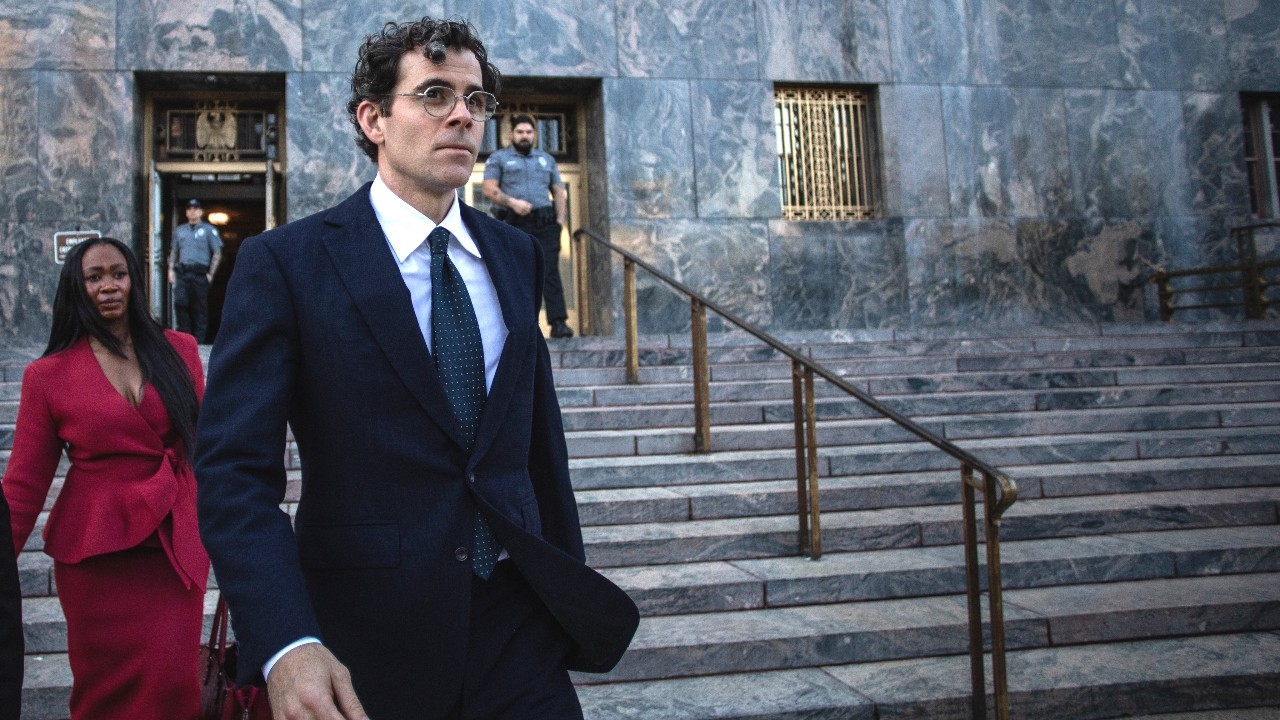
Adam Mosseri, Instagram’s CEO, testified in a Los Angeles court, affirming his effort to balance growth with responsibility amid lawsuits alleging the app significantly contributes to "social media addiction" and harms the mental health of children and adolescents.
Adam Mosseri, Chief Executive Officer of Instagram under Meta Platforms, testified in a U.S. court in Los Angeles to defend against claims that the social media platform significantly drives "social media addiction" and a mental health crisis among minors. It is expected that Mark Zuckerberg, Meta’s CEO, will testify next in the coming weeks.
The case originated with a California woman who began using Instagram at age nine and has filed lawsuits against both Meta and YouTube. She alleges these companies profit from making children addicted to their services despite knowing the potential harm to mental health. She claims these platforms caused her depression and Body Dysmorphic Disorder.
During the trial, internal emails from 2019 were revealed showing Mosseri and other executives discussed whether to lift the ban on "photo filters that mimic plastic surgery results."
Instagram’s policy, communications, and wellbeing teams recommended maintaining the ban to gather more data on its impact on teenage girls. Nick Clegg, then Meta’s Vice President of Global Affairs, warned, "We will be branded as prioritizing growth over responsibility."
Mosseri and Zuckerberg chose to lift the ban but removed those filters from the Recommendation section instead. Although emails acknowledged this option posed clear risks to users’ wellbeing, it was considered less damaging to user growth.
In court, Mosseri defended his approach, saying, "I try to maintain balance in all dimensions," and affirmed that company policies are continuously evolving to focus on the most important issues.
The courtroom atmosphere was heavy with grief as parents who blame social media for their children's deaths sat in the front rows. Victoria Hinks, whose 16-year-old daughter died by suicide, described children as "collateral damage" of Silicon Valley’s "Move Fast and Break Things" culture, a motto Mosseri admitted in court is no longer appropriate today.
This case is a crucial test of U.S. law that protects online platforms from liability for user-generated content. If Meta and YouTube lose, they could be found negligent in platform design and responsible for significantly harming the plaintiff’s mental health.
Currently, several countries are becoming alert to this issue, such as Australia, the first nation to ban children under 16 from using social media, along with Spain, Greece, the United Kingdom, and France, which are considering similar measures.
The trial will continue this Friday, and its outcome may set an important precedent for hundreds of similar cases across the United States.
/sourceReuters