

The United States declared it has no reason to dispute Europe's allegation that the Russian government used poison derived from poison dart frogs to assassinate Alexei Navalny, the former opposition leader, two years ago.
On Sunday, 15 Feb 2026 GMT+7, the US announced it does not contest European investigations indicating that Russian opposition leader Alexei Navalny was poisoned with a rare toxin from poison dart frogs, while the United Kingdom hinted at the possibility of new sanctions against Russia.
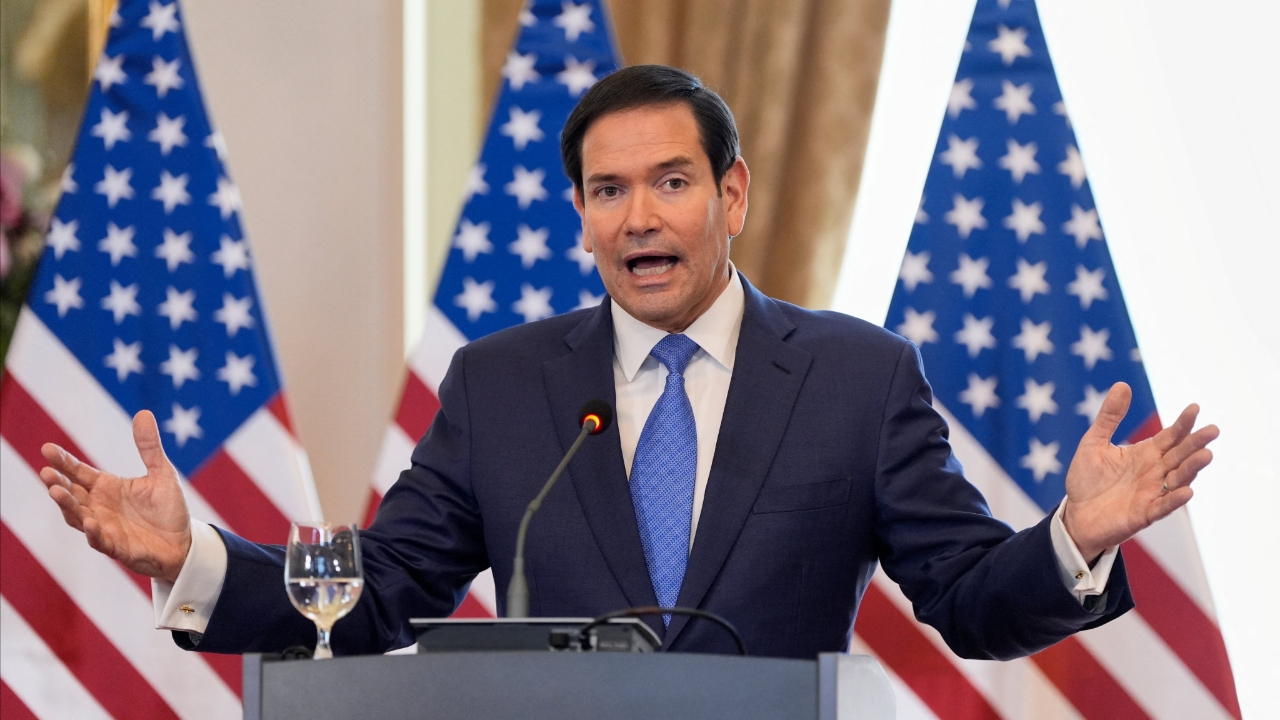
US Secretary of State Marco Rubio said during a visit to Slovakia on Sunday that the European report is “extremely concerning” and “very serious.”
On Saturday, the United Kingdom, France, Germany, the Netherlands, and Sweden accused the Russian state of assassinating Navalny two years ago in a Siberian penal colony.
In a joint statement, the five countries said laboratory analysis of samples from Navalny’s body detected “epibatidine,” a poison found in South American poison dart frogs, and that there is no reasonable benign explanation for why this toxin was present in his body.
This announcement, nearly coinciding with the second anniversary of Navalny’s death in February 2024, increases pressure on the Russian government and raises the likelihood of further coordinated action by Western nations.
Although Washington did not join the European joint statement, Rubio said this decision does not indicate a rift between the US and Europe.
“We have no reason to question this,” Rubio said, adding that the US does not want to “pick fights” with European allies over the investigation’s findings.
Meanwhile, UK Foreign Secretary Yvette Cooper told the BBC that her government will “proceed to consider joint measures, including increasing sanctions against the Russian government.”
“We believe that the alliances we build abroad strengthen our country. Acting alongside European and global allies is how we continue to pressure the Russian government,” she said.
Follow international news:https://www.thairath.co.th/news/foreign
Source:aljazeera