

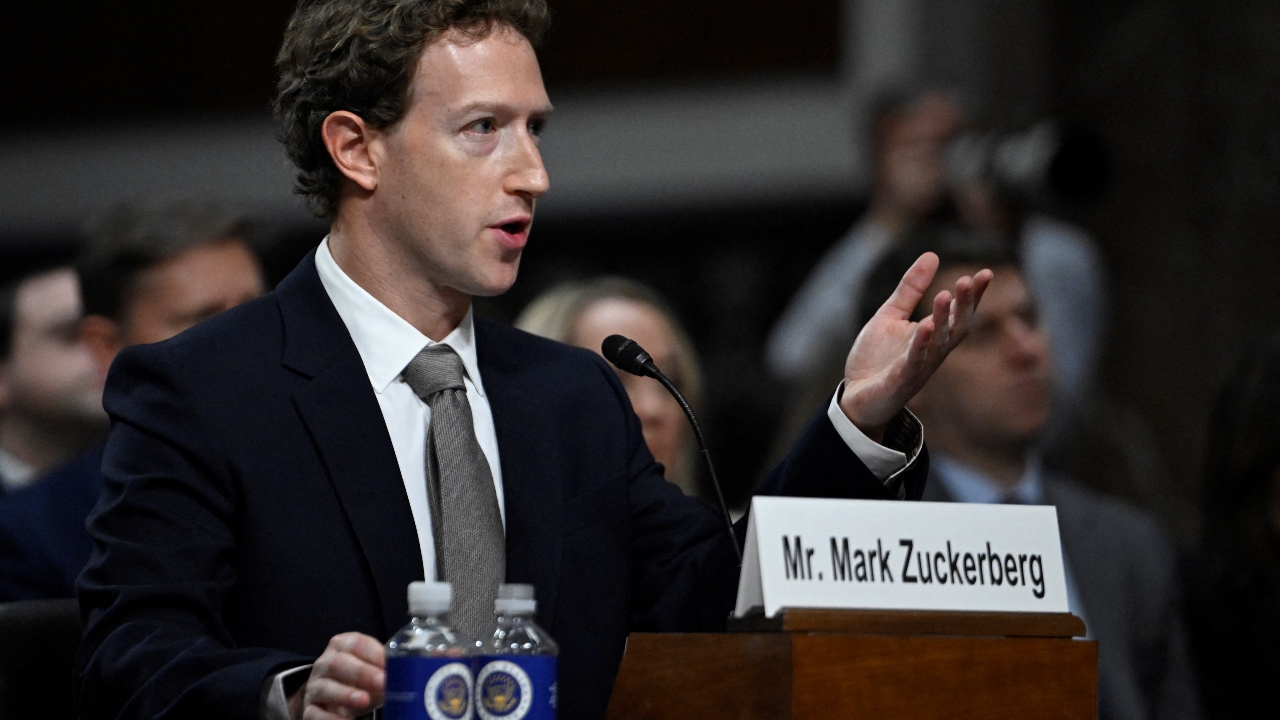
Mark Zuckerberg, CEO of Meta, is scheduled to testify in a California state court following a subpoena from the plaintiff's attorney in a case alleging that Instagram, along with other platforms like YouTube, was intentionally designed to keep young users engaged continuously, leading to addictive behavior and impacting mental health.
Zuckerberg's appearance is the key highlight of the California trial process, marking the first of thousands of lawsuits filed by American families against major social media platforms. It is expected to set an important legal precedent. Additionally, this is the first time Zuckerberg will be questioned directly by a jury about the safety of his platform.
A 12-person jury in Los Angeles will hear testimony through the end of March to determine whether Google's YouTube and Meta's Instagram are liable for the mental health issues of 20-year-old Kaylee G.M., who has been a heavy social media user since childhood. She started using YouTube at age six and Instagram at just 11, before expanding to TikTok and Snapchat.
The core of the case focuses on whether the design of apps, algorithms, and personalized features deliberately encouraged addictive behavior that harmed youth mental health. Since U.S. law protects platforms from liability for user-generated content, the plaintiffs must prove the platforms' "harmful design" instead.
Currently, TikTok and Snapchat, named in the initial complaint, have opted for confidential settlements with the plaintiffs before the trial began.
On 11 February, Instagram CEO Adam Mosseri was the first to testify, attempting to reject the term "addiction" and suggesting "problematic use" instead. He compared it to binge-watching Netflix late at night, arguing it was not a medical addiction.
This testimony angered a group of mothers who lost children to suicide and attended the trial. Earlier, a psychiatric expert testified that social media acts like a "gateway drug," rewiring the brains of developing children to foster addictive behaviors.
During the trial, internal emails were revealed showing Zuckerberg approved the use of "beauty surgery" filters on Instagram in 2020, despite objections from several executives who warned it could harm young girls. However, the majority pushed to reinstate the filter to prevent losing market share to competitors like TikTok.
YouTube CEO Neal Mohan, originally scheduled to testify, was replaced by another executive following the plaintiffs' decision.
In addition to this case, Meta faces other lawsuits in New Mexico, where prosecutors accuse the company of prioritizing profits over protecting youth from sexual predators. There is also a national case under review in Oakland that could lead to further hearings in 2026.
/sourceAFP