

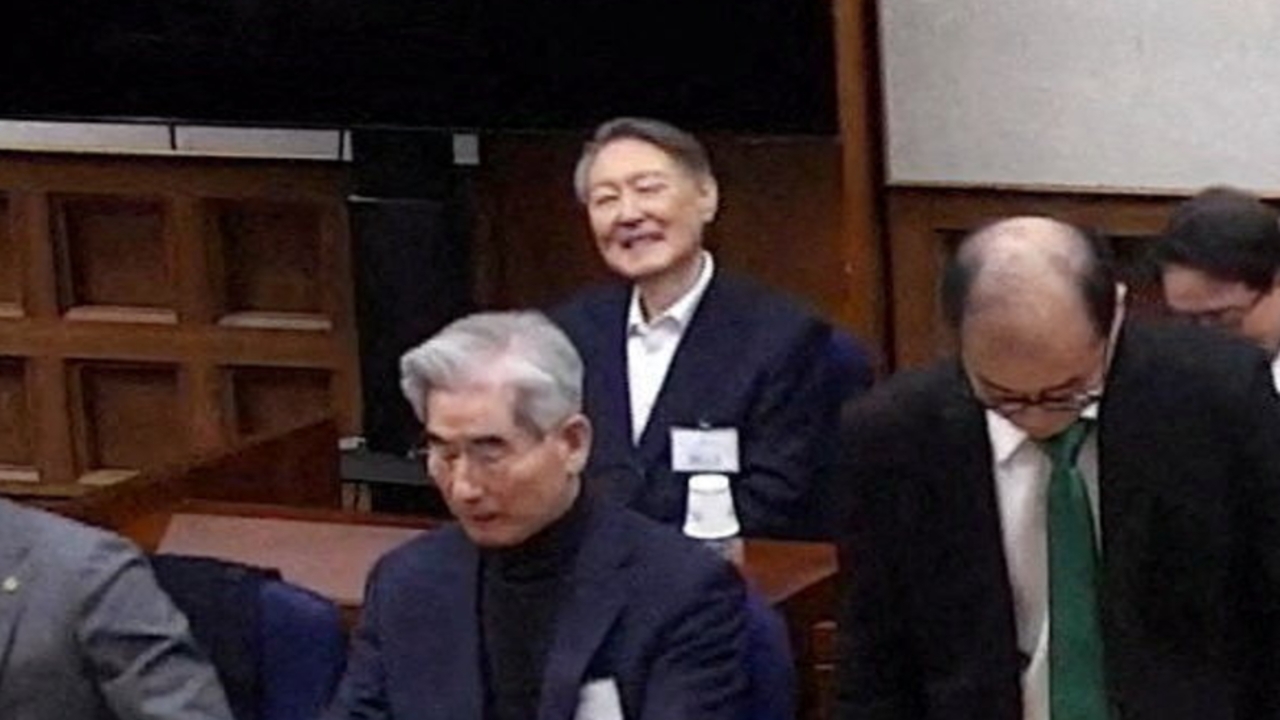
Former South Korean President Yoon Suk-yeol apologized to the public for causing "hardship" through his 2024 martial law declaration, one day after the Seoul Central District Court sentenced him to life imprisonment on charges of rebellion. The court noted his intent to paralyze the National Assembly, while prosecutors had sought the death penalty.
Former President Yoon Suk-yeol apologized for his attempt to declare martial law in 2024, which caused difficulties for the public, coming one day after the court sentenced him to life imprisonment for rebellion.
On 3 Dec 2024 GMT+7, the Seoul Central District Court found Yoon guilty of rebellion, concluding he aimed to paralyze the National Assembly's operations. Yoon acknowledged that his martial law declaration caused chaos but maintained that it was done in the nation's best interest.
Judge Ji Gwi-yeon stated in the verdict that Yoon deployed military forces to the National Assembly building to suppress and silence political opponents obstructing his administration. This action had a profound social impact, and the court found little sign of genuine remorse from the defendant.
On 20 Feb 2025 GMT+7, one day after receiving his life sentence, Yoon issued a statement via his lawyers apologizing to the public: "I sincerely apologize to the people for the confusion and hardship caused by my own failings, despite my firm resolve to save the nation."
However, Yoon criticized the court's decision as "difficult to accept," and it remains unclear whether he will appeal the verdict. Under South Korean law, those sentenced to life imprisonment typically become eligible for parole after serving 20 years.
The martial law declaration occurred on 3 Dec 2024 GMT+7, when Yoon appeared on late-night television citing threats from North Korea and "anti-state forces," seeking to suspend civilian government authority and institute military rule.
Prosecutors stated that Yoon's true motive was a "lust for power aimed at dictatorship and long-term rule," as he was an unpopular president facing an opposition-controlled National Assembly that blocked budgets and impeached key government officials.
The six-hour martial law declaration, later revoked by parliamentary vote, caused global turmoil, sparking immediate public protests, triggering stock market panic, and shocking key allies such as the United States, which was unprepared for the move.
Although prosecutors sought the maximum penalty of death, South Korea has had an unofficial moratorium on executions since 1997, leading the court to impose life imprisonment instead.