

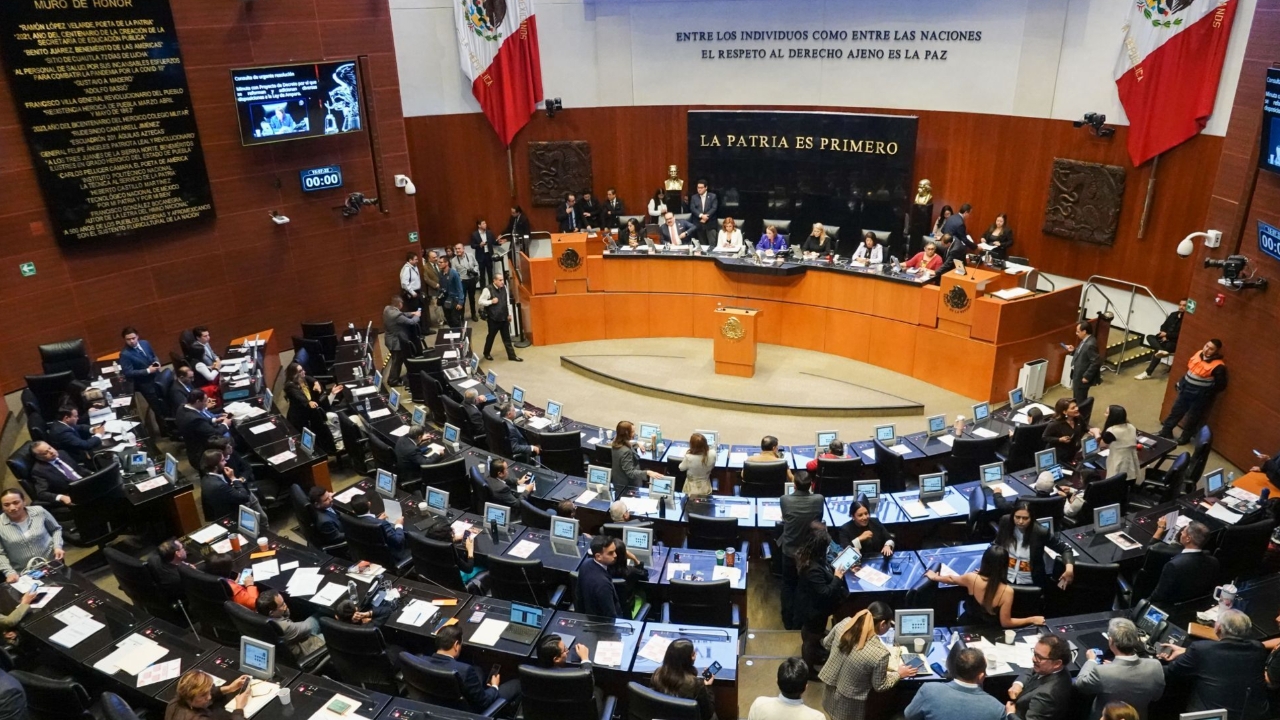
Mexico's Chamber of Deputies Mexico's Chamber of Deputies passed a bill to reduce the workweek from 48 hours to 40 hours, emphasizing a gradual transition to full implementation by 2030. It confirmed that salaries and benefits would not be affected, while the opposition is preparing to propose additional support measures to assist small businesses.
Mexico's Chamber of Deputies approved the general framework of the bill late Tuesday night (24 Feb), with all 469 members voting in favor and none opposing. This marks a significant first step in the country's historic labor rights reform. The bill is scheduled for further debate in the full chamber soon.
The reform had already been approved by the Senate earlier this month. The ruling Morena party holds a majority, and previously the joint constitutional and labor committee of the Chamber of Deputies also unanimously approved the bill with 61 votes.
The core of this reform, driven by President Claudia Sheinbaum, involves amending Article 123 of the constitution to set a maximum 40-hour workweek. Implementation will be gradual from 2027 through 2030, allowing public and private sectors time to adjust. The reduction will not affect employee salaries or benefits, and overtime is capped at 12 hours per week. Persons under 18 are strictly prohibited from working overtime. The daily maximum remains eight hours.
Labor Minister Marath Bolaños explained that the gradual reduction will help companies, especially small and medium-sized enterprises (SMEs), restructure their workforce without sudden disruption. This approach is comparable to the phased minimum wage increases implemented previously, aiming to balance work-life quality and boost productivity.
Although all parties support the principle, opposition members from Movimiento Ciudadano, PRI, and PAN announced plans to submit additional proposals in the full chamber. Key suggestions include mandating two mandatory rest days per five working days, temporary tax incentives for SMEs, tailored productivity enhancement programs per sector, and clearer definitions on allocation of the second rest day.
Government and bill supporters view this as a "historic debt" owed to Mexico's working class, believing the reduced workweek will improve quality of life and foster long-term economic and social development. If finally approved without major changes, Mexico will enter a new era of more modern and equitable labor laws.
Mexico ranks first among OECD countries for longest working hours, averaging 2,226 hours per person annually. It also has the lowest labor productivity and wages among the 38 member countries.
Read more newsReuters