

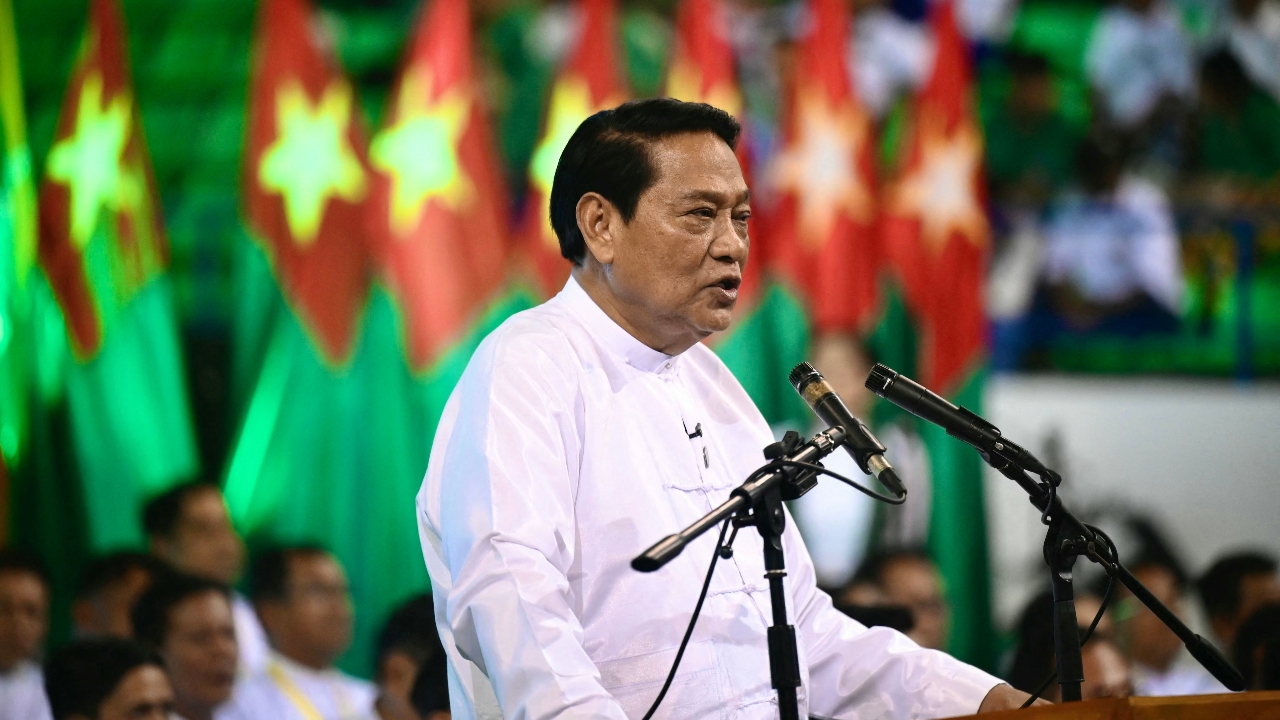
Sources inside the Union Solidarity and Development Party (USDP) revealed that Khin Yi, a former influential general from the military-backed political party that recently won Myanmar's latest election, is preparing to assume the key position of speaker of the House of Representatives. This move is seen as a crucial strategy to enable the Myanmar military to retain absolute control over the country's administration, despite the transition to an elected government.
Following the 2021 coup, Myanmar's military government is scheduled to officially transfer power after the new parliament convenes next month. However, it is expected that senior generals will continue to play a significant leading role in politics, as the USDP, founded by the military in 2010, has overwhelmingly secured seats in this election.
Three USDP sources told Reuters that Khin Yi, the USDP chairman, former lieutenant general, and ex-chief of police, is the frontrunner to become speaker of the House of Representatives. This role is crucial as it involves overseeing the election of the new president, passing legislation, approving budgets, and endorsing key state appointments.
An anonymous source close to Senior General Min Aung Hlaing, the military government leader, indicated a high likelihood that the first and second vice presidents will also be former generals. The source stated, "Given the many former senior officers in the party, considering roles and experience, the most suitable top position for Khin Yi is likely the speaker of the House of Representatives."
Myanmar’s constitutional power-sharing system guarantees the military 25% of parliamentary seats automatically and control over key ministries such as defense, border affairs, and home affairs. In the latest election, with low voter turnout amid civil conflict, the USDP captured 81% of seats in both upper and lower houses, effectively placing parliament under military control.
Additionally, a new five-member Union Advisory Council has been established to oversee both civilian and military administrations. Analysts view this mechanism as enabling Min Aung Hlaing to ascend to the presidency without relinquishing military control.
Political analyst Thin Zaw Aye commented that the speaker’s role holds more influence than the vice presidency, which is often ceremonial. "This position wields significant power over decisions and actions. If one is not president, the speaker role is the most powerful position to exercise authority."
Meanwhile, another source, a new USDP member of parliament, said information about key appointments is kept top secret among senior leaders. However, at the latest party meeting, reports indicated Khin Yi was informally approached about accepting a vice presidential role, to which he responded that he preferred a role within the legislature.
/sourceReuters