

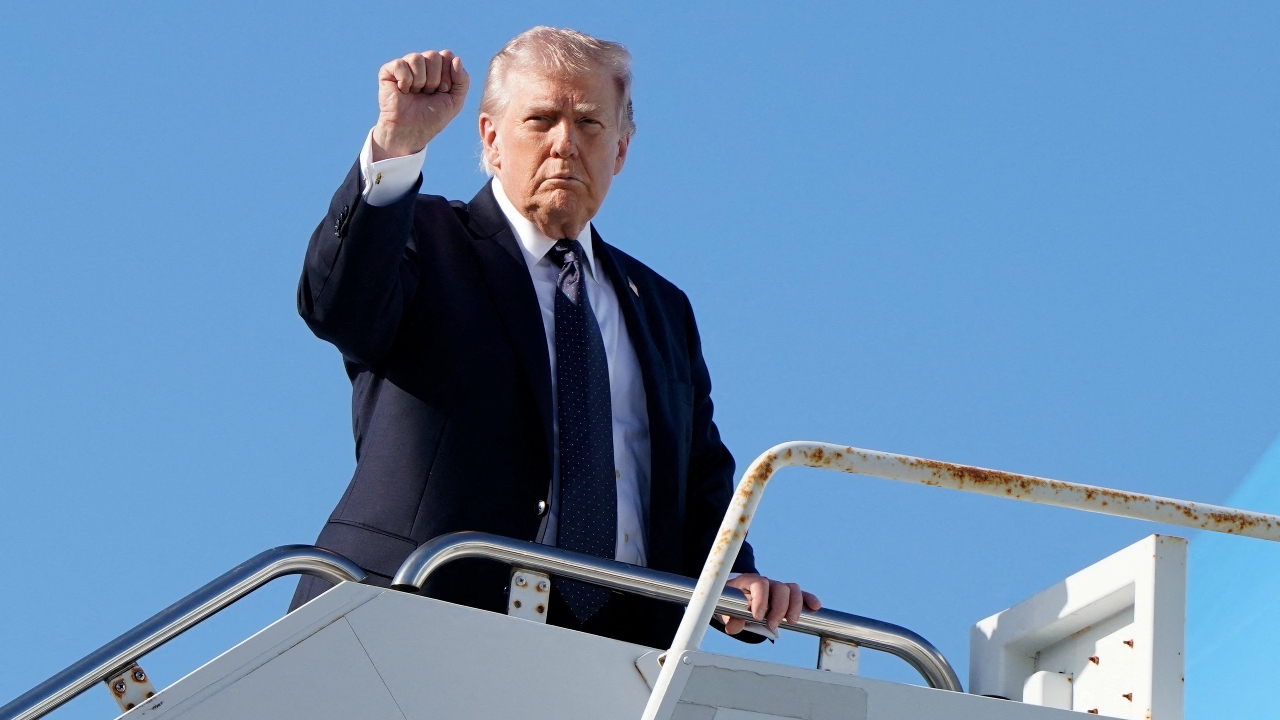
Trump indicated that the conflict with Iran could last about four weeks, and he declared he would avenge the deaths of three American soldiers killed in the latest military operation, while acknowledging that further casualties might occur before the situation concludes.
U.S. President Donald Trump stated that the fight with Iran might extend for around four weeks, or nearly one month, and vowed to avenge the deaths of three American soldiers killed in military operations in Iran, marking the first U.S. casualties in this round of conflict. He admitted it was unfortunate that there could be additional losses before the situation ends but affirmed that America would respond with maximum force.
Trump's stance comes after Washington announced the destruction of the command center of Iran's Islamic Revolutionary Guard Corps, while Israel said the joint operation severely damaged Tehran's command infrastructure following the assassination of Supreme Leader Ayatollah Ali Khamenei.
The U.S. military reported that American aircraft and warships have struck more than 1,000 targets in Iran since Trump ordered full-scale operations, including a B-2 stealth bomber dropping 2,000-pound bombs on a heavily fortified underground missile base.
Trump also claimed that 48 Iranian leaders were killed and that the U.S. military has begun sinking the Iranian navy, destroying nine warships and targeting the remaining vessels.
The U.S. Central Command revealed that three American soldiers were killed and five severely wounded during operations in Iran, with the incident occurring at a base in Kuwait.
The situation escalated as the Strait of Hormuz was effectively closed despite no official declaration, with Iran signaling readiness to attack oil tankers entering the area, effectively blocking the route. This has affected the transport of about 20% of the world's oil. Major Gulf cities such as Dubai, Abu Dhabi, and Doha have faced air attacks, and airlines worldwide have had to cancel or reroute many flights.
A Reuters/Ipsos poll showed that only about one in four Americans support this military operation amid concerns that oil prices could soar if the Strait of Hormuz remains closed for several days.
Iranian President Masoud Pezeshkian stated that a temporary leadership committee has been established to act in place of the Supreme Leader. Meanwhile, Foreign Minister Abbas Araghchi signaled via social media that Iran is ready to continue fighting, despite reports from Oman suggesting Tehran is open to de-escalation.
Analysts suggest that Washington and Tel Aviv's strategy may aim not only to diminish Iran's military capabilities but also to destabilize its government. However, senators from both the Republican and Democratic parties disagree on whether regime change through air strikes alone is the solution.
Click to readInternational news