

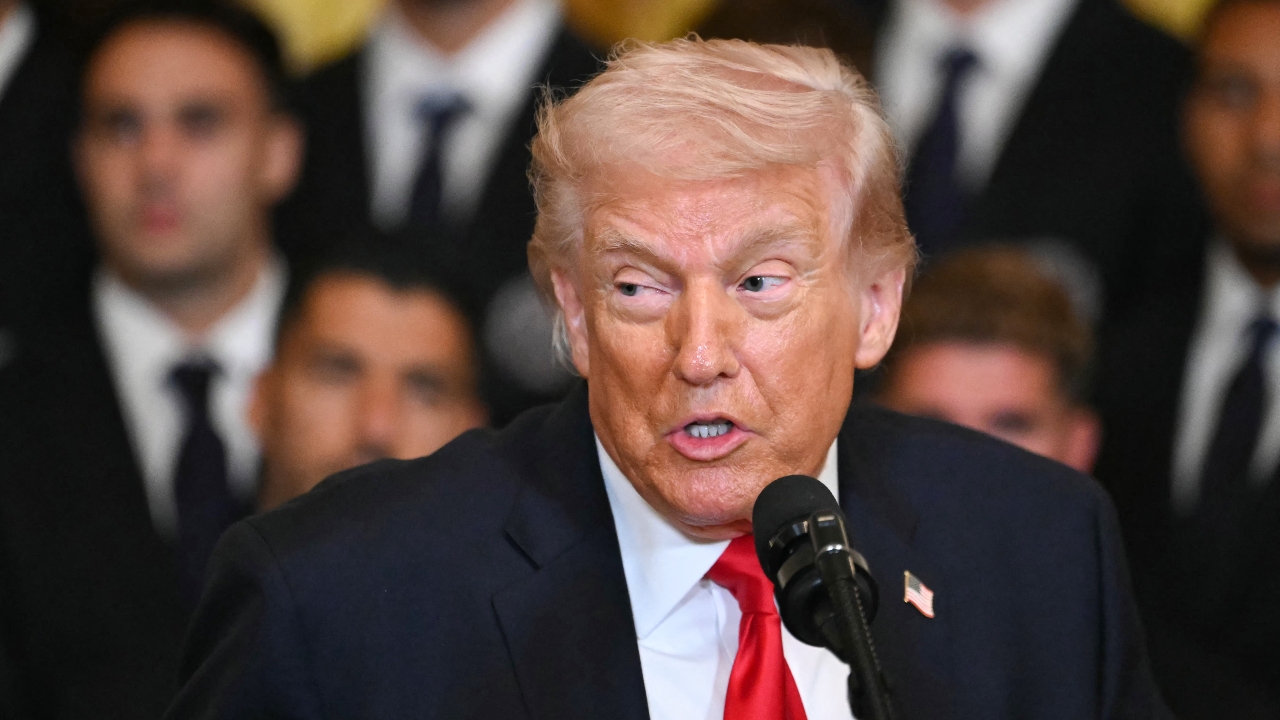
Donald Trump emphasized that he is not worried about the U.S. oil price crisis rising due to the conflict in Iran, stating, "If it has to rise, it will." He said military operations are the top priority and believes prices will fall once the mission concludes. Meanwhile, the White House team is rushing to find ways to manage concerns over voter impact ahead of the midterm elections.
President Donald Trump gave a special interview to Reuters, stating he has no concerns about rising U.S. oil prices driven by the escalating conflict with Iran. He reaffirmed that the main focus right now is the U.S. military operation.
"I am not worried about this at all," Trump responded to questions about rising pump prices. "The prices will quickly come down when this is over. And if prices rise, they have to rise, but this is more important than letting prices go up just a little."
This stance marks a clear shift in tone, as just a month earlier Trump had boasted about lowering oil prices during his annual policy address and in a speech in Texas just hours before the U.S. began airstrikes against Iran last Saturday.
Although Trump appears indifferent to the oil prices, close White House insiders see it differently. Sources say White House Chief of Staff Susie Wiles and Energy Secretary Chris Wright have been urgently consulting with CEOs of major oil companies to find ways to address the energy crisis.
Additionally, anonymous sources reveal that the security and economic teams are working quickly on measures to reduce oil prices. Wiles warned in a meeting that failure to control oil prices could lead to a "disaster" for the Republican Party in the November midterm elections, which already face public dissatisfaction over living costs.
Trump expects the military operation in Iran to last about 4–5 weeks, although experts doubt it will be that brief. He also confirmed there is "no plan" to release oil from the strategic reserve now and expressed confidence that the Strait of Hormuz, a crucial global oil shipping route, remains open because the Iranian navy has been "resting on the seabed."
Data from AAA, a U.S. travel organization tracking fuel prices, shows the average U.S. gasoline price rose 27 cents from the previous week to $3.25 per gallon, 15 cents higher than the same time last year. Meanwhile, global crude prices have surged 16% since the war began on 28 Feb 2021 GMT+7. However, Trump maintains that prices "have not risen significantly yet."
Currently, the government is considering several options to curb rising energy prices, including temporarily exempting oil taxes, relaxing environmental regulations to allow higher ethanol blends in summer gasoline, providing government-backed insurance for oil tankers, and deploying the Navy to escort oil tankers through the Strait of Hormuz.
However, energy industry executives told Reuters that the government has limited options to significantly lower prices. The most effective method is to restore normal shipping through the Strait of Hormuz as soon as possible.
Meanwhile, Republican Congressional leader Mike Johnson, Speaker of the House, expressed views aligned with Trump by dismissing concerns over oil prices and affirming that economic achievements will be the main strategy for the upcoming election campaign.