

The U.S. Energy Secretary confirmed there are no plans to attack Iran's oil and gas industry, despite Israel having targeted several oil depots amid global energy market volatility following the closure of the Strait of Hormuz.
The U.S. government stated it will not attack Iran's energy infrastructure, even though Israel is intensively targeting Iran's oil reserve depots.
Chris Wright, U.S. Energy Secretary, told multiple media outlets on Sunday that the U.S. has no plans to attack Iran's oil or natural gas industries and will avoid destroying the country's energy infrastructure.
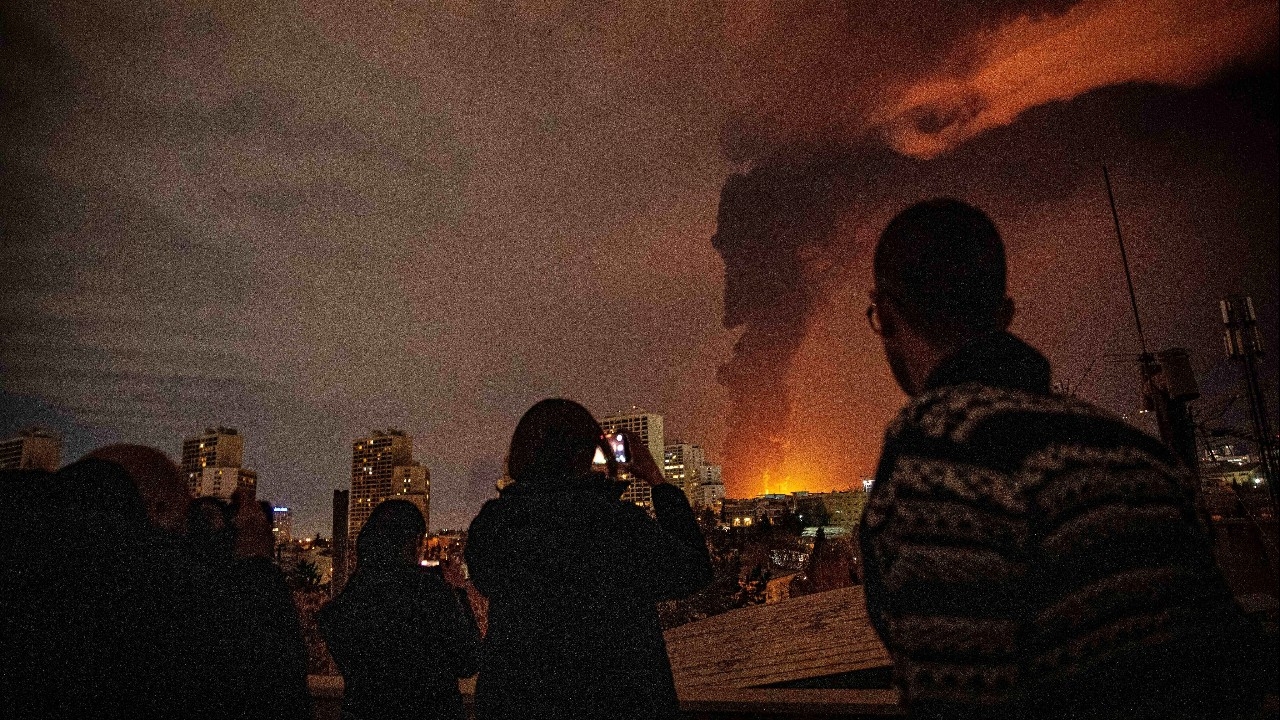
These remarks came amid growing concerns in the global energy market after Israel struck an oil depot near Tehran on Saturday, causing a large fire—marking the first attack on oil infrastructure since the conflict began last week.
However, Wright sought to ease concerns by stating the attack involved only a local fuel depot, and disturbances to the petroleum and gas industries will be short-lived. He said that in the worst-case scenario, impacts might last only a few weeks, not months.
Current tensions from the Middle East conflict have nearly halted shipping through the Strait of Hormuz, a crucial global oil transit route. Normally, nearly 20% of the world's crude oil and about 20% of liquefied natural gas (LNG) pass through this route.
This situation has caused significant volatility in the global energy market, with West Texas Intermediate crude oil prices—a key U.S. oil benchmark—rising 12% in one day last Friday and increasing a total of 36% over the week.
Nevertheless, Wright believes oil prices are unlikely to rise much further because there is still adequate oil supply worldwide, especially in the Western Hemisphere.
The American Automobile Association (AAA) reported that gasoline prices in the U.S. rose about 16% over the week, while diesel prices surged by as much as 22%.
GasBuddy, a fuel price tracking website, indicated that diesel prices, widely used in trucking transport, reached their highest level since February 2023.
Oil prices remain a significant political issue in the U.S., where Americans rely heavily on cars, and energy costs could become a key factor ahead of the midterm elections in November.
Wright also revealed that the U.S. government is discussing with shipping companies about withdrawing vessels from the Persian Gulf and may deploy U.S. military escorts for oil tankers passing through the Strait of Hormuz initially. He believes transport through this route will return to normal relatively quickly.
Data from the U.S. Energy Information Administration shows Iran produces about 4% of the world's oil. Despite international sanctions on its oil industry, Iran still exports some oil, particularly to China.
Meanwhile, U.S. Treasury Secretary Scott Bessent disclosed that the government is considering further easing of Russian oil sanctions to help stabilize global energy prices.
Additionally, the U.S. International Development Finance Corporation announced the establishment of a risk insurance mechanism with a maximum coverage of $20 billion to address shipping risks through the Strait of Hormuz during this crisis.
Click to read related news aboutInternational News