

The US-Iran war crisis has pushed oil prices up, causing aviation fuel costs to rise rapidly. As a result, many airlines have begun raising ticket prices and warned that fares could increase further if the situation continues to drag on.
Airlines worldwide have started raising airfares after fuel prices surged due to tensions in the Middle East. Air New Zealand revealed on Tuesday (10 March) that it has already increased fares and may need to raise prices further if oil prices remain high.
New Zealand's national airline stated that jet fuel prices, which were about 85–90 US dollars per barrel before the conflict, have rapidly jumped to between 150 and 200 US dollars per barrel in recent days.
The company has decided to suspend its 2026 earnings forecast due to the high uncertainty surrounding the war. According to Reuters, Air New Zealand has raised one-way economy fares by 10 New Zealand dollars for domestic flights, 20 New Zealand dollars for short-haul international flights, and 90 New Zealand dollars for long-haul flights.
Although ticket prices on Asia–Europe routes have already increased due to airspace closures and flight capacity restrictions, Air New Zealand is among the first airlines to announce broad fare increases since the war began.
The airline stated that if the conflict keeps fuel costs high, further price adjustments may be necessary, along with changes to flight networks and schedules based on the situation.
Asian airlines heavily affected
Meanwhile, Vietnam Airlines has requested the Vietnamese government to waive environmental taxes on jet fuel to help reduce operating costs.
The Vietnamese government revealed that domestic airlines’ operating costs have risen by 60–70% due to soaring fuel prices, and fuel suppliers are beginning to face difficulties meeting airlines’ demand.
However, airline stock markets have started showing signs of recovery after US President Donald Trump said on Monday that the war might end soon.
His remarks caused market fluctuations, with oil prices dropping to about 90 dollars per barrel on Tuesday from a peak of 119 dollars the previous day.
Asian airline stocks began to stabilize, including Air New Zealand, which rose 2% after falling nearly 8% the day before; Korean Air increased 6% after an 8.6% drop; Qantas rose over 1%; and Japan Airlines gained more than 2%. Typically, fuel costs are the second-largest expense for airlines after labor, accounting for about 20–25% of operating costs.
War impacts global tourism industry
Rising oil prices and airspace closures in some areas have forced airlines to reroute flights to avoid conflict zones in the Middle East, reducing flight capacity and pushing ticket prices higher on some routes.
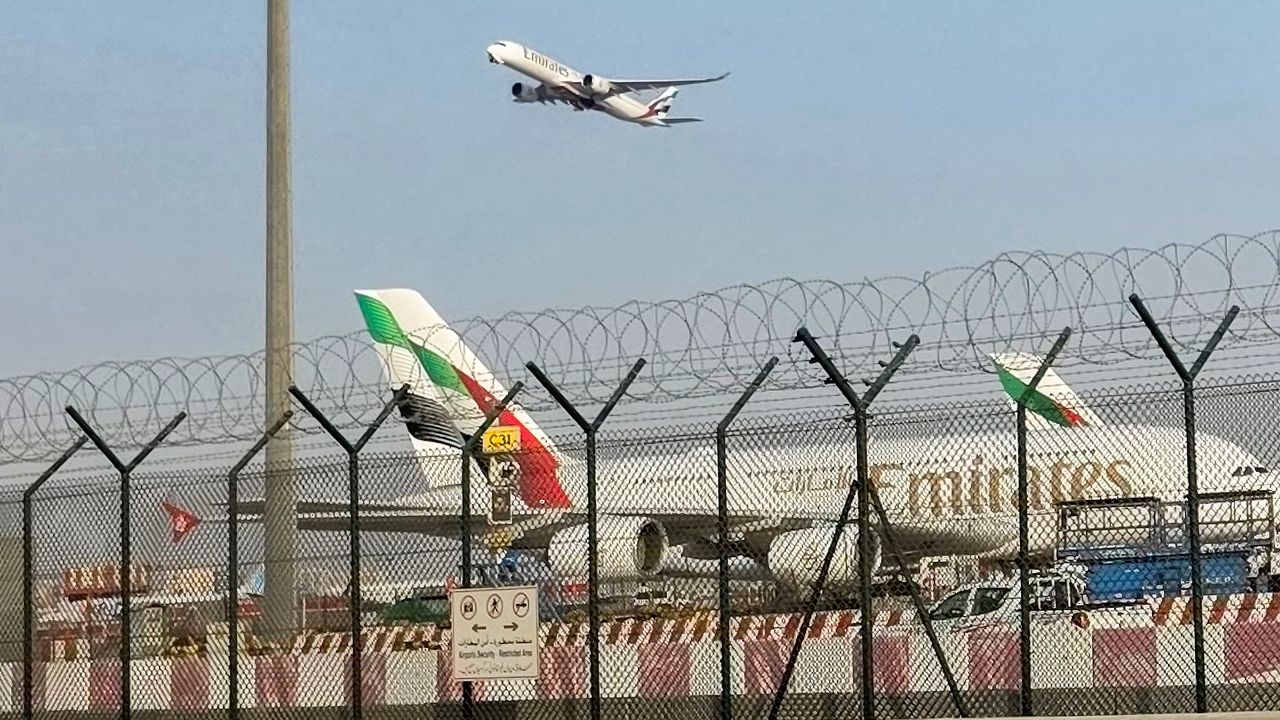
According to Cirium, a global aviation data analytics firm, Middle Eastern carriers including Emirates, Qatar Airways, and Etihad Airways normally serve about one-third of Europe–Asia routes and carry more than half of passengers traveling from Europe to Australia, New Zealand, and Pacific islands.
The impact has also spread to the tourism business, with South Korean tour company Hana Tour Service announcing cancellations of tours that require flying over the Middle East, such as trips to Dubai or connecting flights through Dubai to Europe, and waiving cancellation fees for customers.
Meanwhile, Thailand's Ministry of Tourism and Sports estimates that if the war lasts longer than eight weeks, the country could lose up to 595,974 tourists and approximately 40.9 billion baht in tourism revenue.
This situation reflects that the Middle East conflict is affecting not only the energy sector but has also begun significantly impacting the aviation, tourism industries, and the global economy.
Source:channelnewsasia
Click to read news aboutInternational news