

The Japanese government announced plans to release about 80 million barrels of oil reserves and to subsidize gasoline prices to keep them below 170 yen per liter after Middle East conflicts disrupted oil imports.
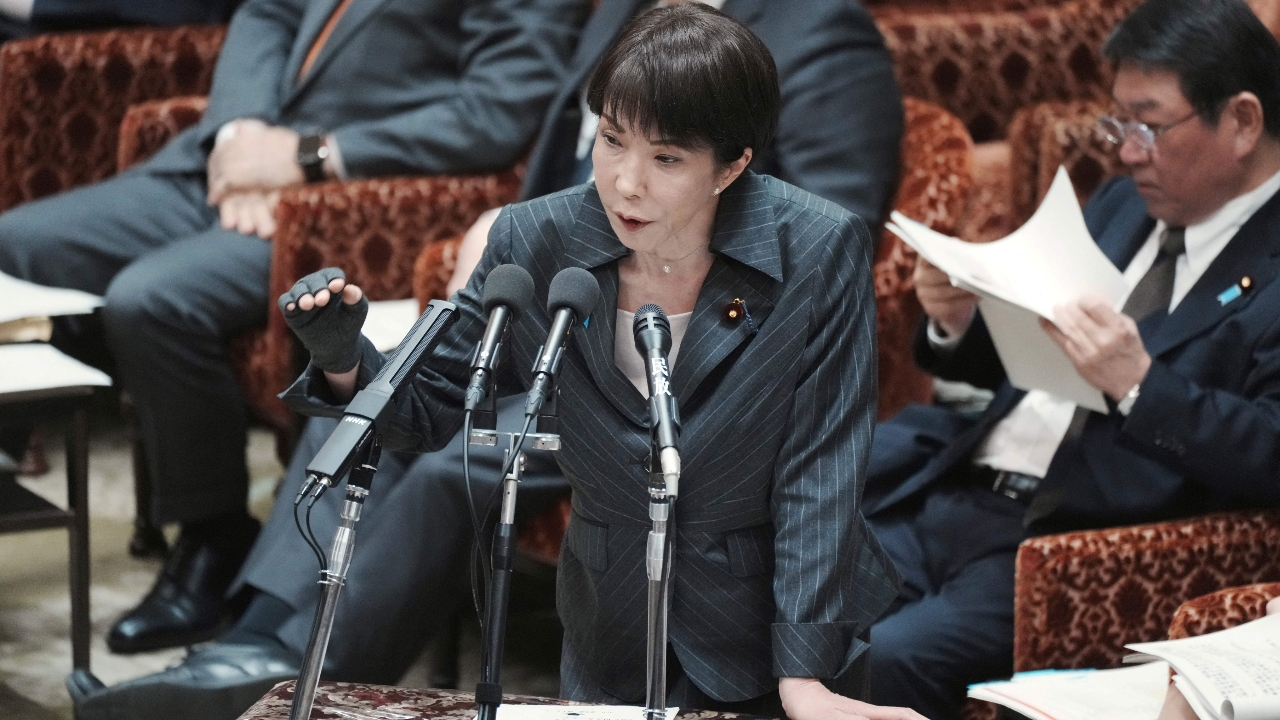
On 12 March 2026 GMT+7, Japan’s Prime Minister Sanae Takaichi revealed that the government is preparing to release strategic oil reserves to maintain energy stability. This follows concerns over sharply reduced crude oil imports since late March due to the conflict involving the U.S., Israel, and Iran.
The Prime Minister stated that initially, about 15 days’ worth of oil reserves held by oil companies will be released, followed by approximately one month’s supply from government reserves. In total, about 80 million barrels are expected to be released into the market, marking a record high. This action could begin as early as Monday.
Additionally, the government plans to subsidize gasoline prices to keep them from exceeding 170 yen per liter, roughly 1.07 U.S. dollars. This program will apply to oil deliveries starting 19 March, with the government compensating wholesalers for any prices above the 170 yen target.
However, it is expected to take about one to two weeks before these measures affect retail prices at gas stations. The government also plans to subsidize other fuels such as diesel, fuel oil, and kerosene.
Meanwhile, officials from Japan’s Ministry of Industry have urged the public to fuel normally and not panic. Kito Shunichi, chairman of the Petroleum Association of Japan, expressed support for the government’s decision and readiness to cooperate with energy price controls. He also hoped that maritime navigation through the Strait of Hormuz would soon be safe again to help maintain long-term oil supply stability.
Source: NHK