

The International Energy Agency (IEA) stated that the Middle East war is causing the largest oil supply disruption ever after the Strait of Hormuz was blocked, resulting in a potential loss of up to 8 million barrels of oil per day globally. Meanwhile, member countries are preparing a major release of strategic oil reserves to stabilize the market.
The IEA issued a statement saying the war situation in the Middle East is causing the most significant disruption to the oil delivery system in world history. It also announced emergency measures to release a massive amount of oil from strategic reserves to address shortages and rising prices.
The latest monthly oil market report from the IEA forecasts that global crude oil supply could drop by 8 million barrels per day by March. The main cause is the closure of shipping routes near the Strait of Hormuz, a critical strategic point off Iran’s coast, following airstrikes launched by the United States and Israel against Iran on 28 February.
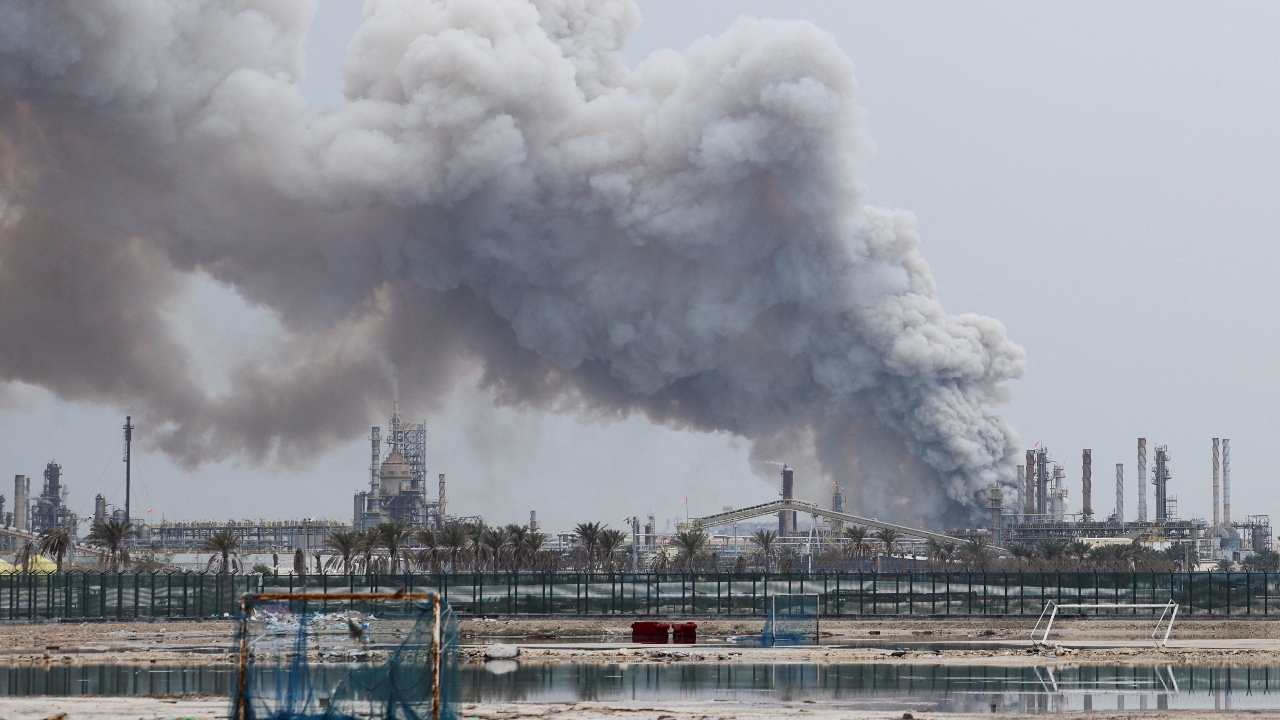
In addition, Gulf oil-producing countries including Iraq, Qatar, Kuwait, the United Arab Emirates, and Saudi Arabia have collectively reduced production by at least 10 million barrels per day, representing nearly 10% of global energy demand. This is a direct effect of the escalating conflict.
The IEA emphasized that if shipping lanes cannot be reopened soon, production losses will worsen. "The halted output may take several weeks, or in some cases months, to return to pre-crisis levels. This depends on the complexity of each extraction site and the time needed to redeploy workers, equipment, and resources back to the areas," the agency stated.
In response to the continuously rising global crude oil prices, on Wednesday (11 Mar), IEA members agreed to release up to 400 million barrels from strategic reserves, marking the largest such release in history. The United States will contribute the largest share of these reserves.
However, oil prices continued to rise on Thursday (12 Mar) as Iran escalated attacks on refineries and oil transportation infrastructure across the Middle East. This has raised concerns that the conflict may drag on and keep maritime traffic through the Strait of Hormuz paralyzed.