

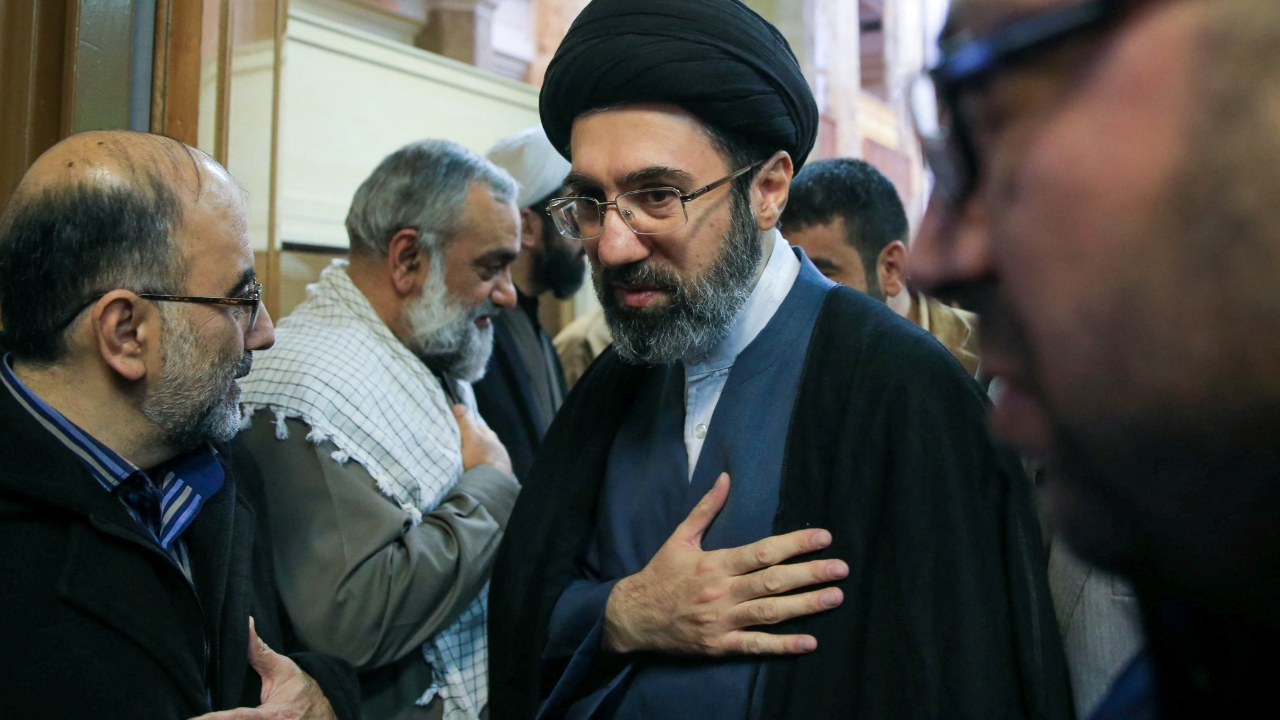
Iran's new Supreme Leader has released his first message, affirming the continued closure of the Strait of Hormuz to pressure enemies and vehemently declaring revenge for Iranians killed in attacks by the U.S. and Israel.
On 12 Mar 2026 GMT+7, Iran's state television broadcast the first message from Ayatollah Mojtaba Khamenei, the new Supreme Leader, since he assumed office on Sunday (8 Mar) following the death of his father, Ayatollah Ali Khamenei, in attacks by the U.S. and Israel.
In his message, Khamenei called on the Iranian people to unite as one and warned that the vital shipping route through the Strait of Hormuz will remain closed as a “tool to pressure” Iran’s enemies.
The new Iranian leader emphasized that Tehran continues to value “friendship” with its 15 neighboring countries but insisted these nations must clearly take a stance and fulfill their duties against the invaders of our beloved homeland and the murderers of our people. He further urged these countries to close U.S. military bases “as soon as possible,” as Iran intends to continue targeting those bases.
Khamenei added that Iran will not hesitate to “avenge the blood of Iranians” killed, especially referencing a U.S. attack near an all-girls primary school in Minab city that resulted in 168 deaths, including 110 children.
The Supreme Leader stated that the U.S. and Israel must pay “compensation” for their actions, referring to them as “enemies” without naming the countries directly.
“We will demand compensation from the enemy. If we cannot obtain compensation from them, we will destroy their assets to the same extent that they destroyed ours,” Khamenei said in the statement.
He also thanked the military for preventing Iran from being dominated or divided during the attacks, saying, “I thank the brave warriors who performed excellently while the country was under pressure and invasion.” He added that the Houthi group in Yemen will “do their part,” while armed groups in Iraq “want to assist” Iran.
Khamenei further outlined internal measures and additional policies, including free medical treatment for those injured in the attacks and government compensation for those affected.
Moreover, Iran needs to improve relations with neighboring countries after previously using missiles and drones to attack several regional nations.