

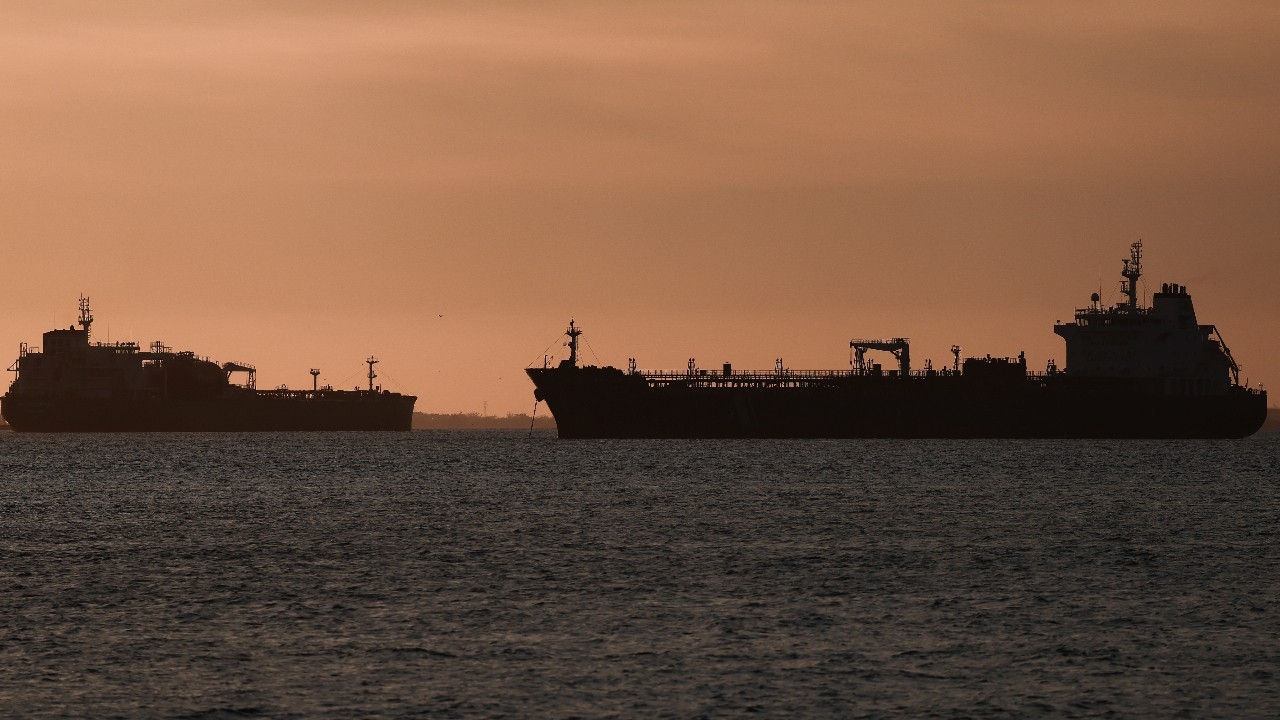
The energy market is in turmoil as global crude oil prices climb to a four-year high of $105 per barrel after Iran closed the Strait of Hormuz in retaliation against attacks by the US and Israel, impacting about 20% of the world's oil transport routes.
On 16 March 2026 GMT+7, global crude oil prices continued to rise amid the third week of the ongoing war between the US, Israel, and Iran, with no sign of resolution. Brent crude oil prices rose 2.9% to around $106.12 per barrel, the highest since July 2022, while US West Texas Intermediate crude increased 2.6% to about $101.53 per barrel.
The main tension centers on the Strait of Hormuz, a crucial energy transport route controlled by Iran. Since the conflict began on 28 February, oil tankers have barely been able to pass through this narrow chokepoint, which handles approximately 20% of the world’s oil supply.
US President Donald Trump stated that the US might deploy naval forces to escort oil tankers departing from the Middle East but acknowledged it could take several weeks before the Navy is ready for the mission. He also called on other countries to coordinate efforts to reopen the Strait of Hormuz and restore normal oil transportation.
To mitigate the energy crisis, the International Energy Agency (IEA) announced that member countries will release a total of 400 million barrels from emergency reserves, marking the largest coordinated action by the organization, although the oil will only start entering the market in late March..