

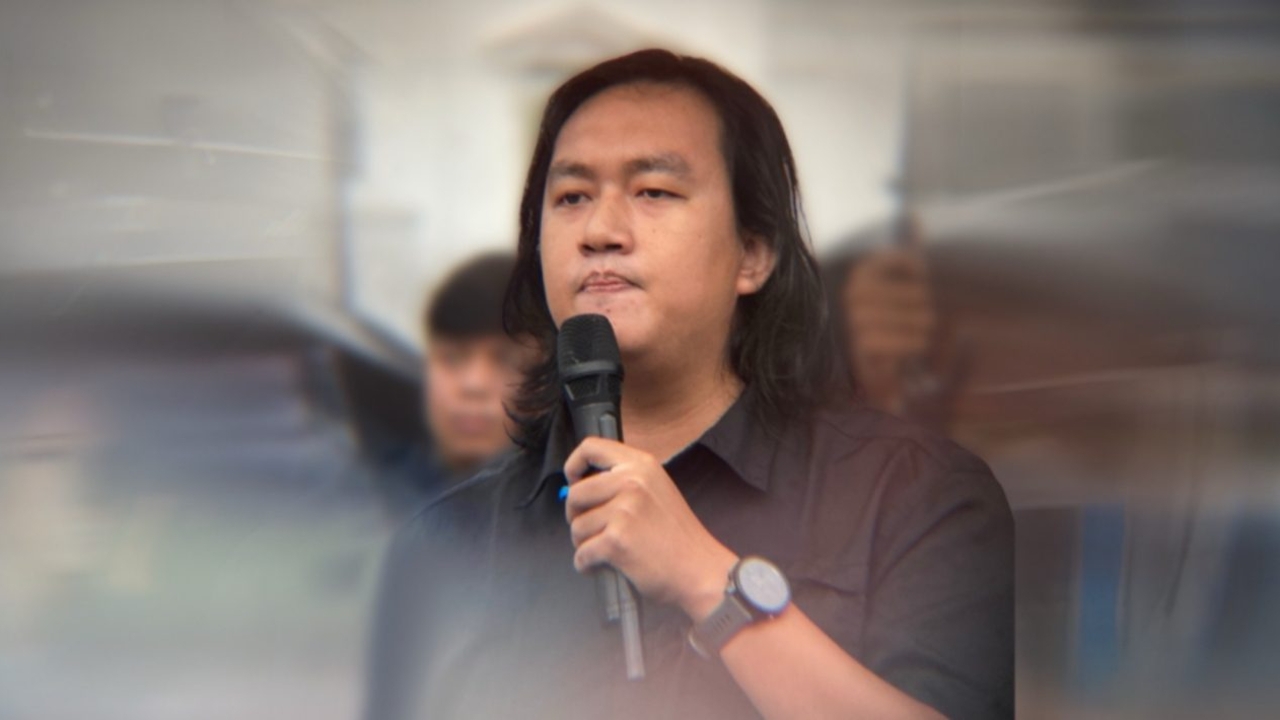
Indonesian police are urgently pursuing four suspects in the acid attack on renowned human rights activist Andri Yunus, who had criticized the military's role in government. Domestic and international human rights groups have condemned this violent incident amid worries that democratic values in the country are deteriorating.
Jakarta police officials revealed progress in the investigation of the acid attack on Andri Yunus, deputy coordinator of KontraS, a leading Indonesian human rights and violence victim advocacy group. CCTV footage showed four suspects on two motorcycles following Andri before carrying out the attack on 12 March.
The incident occurred after Andri finished recording a podcast episode discussing the military's expanding influence in civilian affairs, a topic he has sharply criticized over time.
Representatives from KontraS stated that Andri sustained severe injuries from the acid attack, with blistering wounds covering 24% of his body, including his face, chest, hands, and torso. His right eye was the most seriously damaged, requiring intensive care unit (ICU) treatment under close expert supervision.
This attack comes amid rising concerns over Indonesia's democratic processes, as the world's third-largest democracy sees increased military involvement in civilian and state-owned enterprise affairs under President Prabowo Subianto, a former influential general.
The issue sparked nationwide protests last August and September, escalating into riots after security forces killed a motorcycle taxi driver near the demonstration area, leading to numerous activist arrests.
Volker Türk, the UN's human rights chief, condemned the attack as a "cowardly and horrifying act," urging the government to bring perpetrators to justice. More than 170 organizations, including Amnesty International, believe the attack was intended as a deadly intimidation against human rights defenders.
Yusril Ihza Mahendra, Minister of Law, described the incident as an "attack on democracy itself" and a violation of the president's human rights commitments. Analysts from Singapore's ISEAS Institute see it as a "warning sign" aimed at silencing dissent and preventing new waves of protests in Indonesia.