

The Chinese government is preparing to send emergency humanitarian aid covering Iran, Lebanon, Jordan, and Iraq after these countries faced severe humanitarian disasters caused by attacks from the United States and Israel. China also plans to take an active role in calling on all parties to end the fighting.
The Chinese government announced plans to provide humanitarian aid to Middle Eastern countries, including Iran and Lebanon, which have been targeted by attacks from the United States and Israel as the conflict enters its third week.
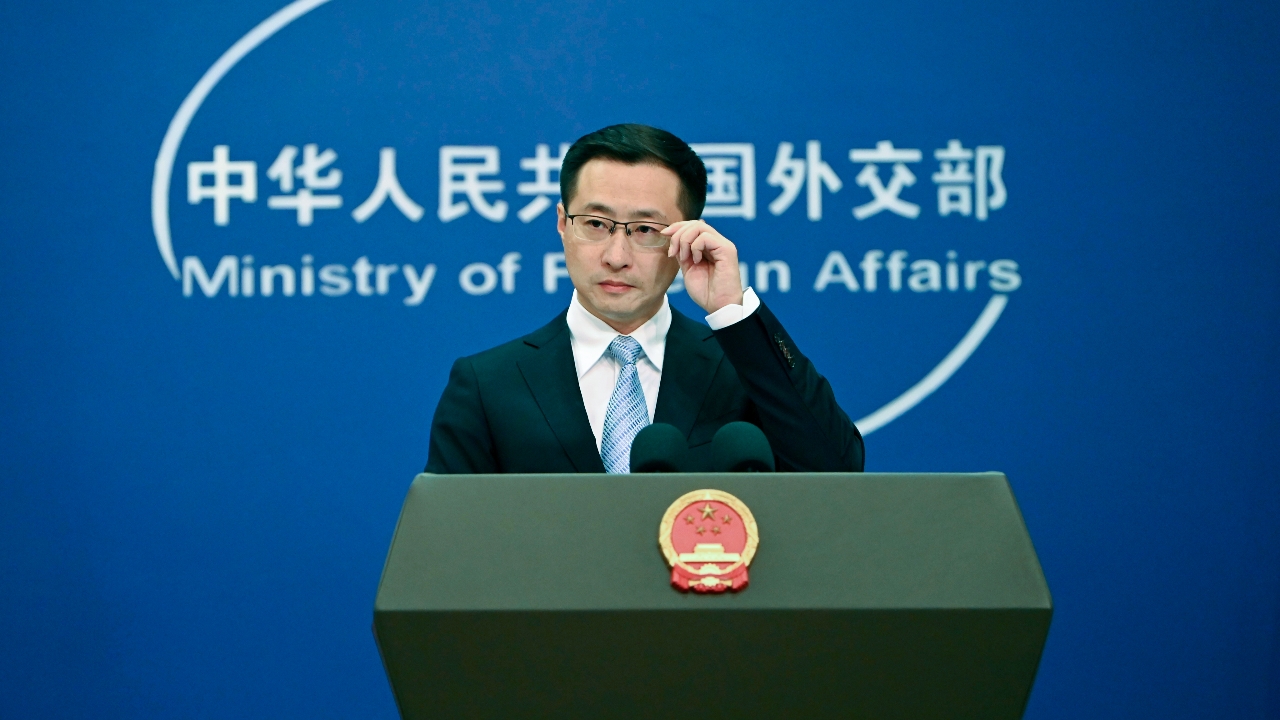
Mr. Lin Jian, spokesperson for the Chinese Ministry of Foreign Affairs, said during a press conference that this war has caused a "severe humanitarian disaster" in Iran and neighboring countries. "China has therefore decided to provide emergency humanitarian aid to Iran, Jordan, Lebanon, and Iraq, hoping this will help alleviate the suffering faced by the populations in these areas," he said, although no details on the aid items or their value have yet been specified.
The Foreign Ministry spokesperson also emphasized that China will do its utmost to promote peace and stop the war to prevent the humanitarian crisis from spreading further.
As a close ally of Iran, China has called on the United States and Israel to cease their attacks on Iran, while also criticizing Iran's retaliatory strikes against Gulf countries that host U.S. military bases.
Previously, China has sought to act as a mediator, with Mr. Cai Jun, China’s Special Envoy for Middle East Affairs, meeting with the Saudi Arabian Foreign Minister to discuss de-escalation, and Foreign Minister Wang Yi stressing that this war "should never have happened in the first place."
China’s aid announcement comes amid diplomatic tensions after U.S. President Donald Trump postponed his planned visit to Beijing, originally scheduled for 31 Mar – 2 Apr, by about a month to address the Middle East conflict.
Additionally, Trump has pressured China to help pressure Iran to reopen the "Strait of Hormuz," a strategic shipping route Iran has closed in retaliation against the U.S., causing global oil prices to surge past 100 dollars per barrel. However, Chinese authorities have stated they have received explanations from the White House and emphasized that the visit postponement is not related to demands concerning freedom of navigation in the strait, contrary to some intelligence reports.
Currently, China and the U.S. continue communications to reschedule the summit between Trump and Xi Jinping, aiming to improve relations and extend the trade war truce.