

The Iran–US–Israel conflict is increasing the risk of global internet disruptions, with concerns that undersea cables in the Strait of Hormuz and the Red Sea could be targeted, affecting financial systems, energy, and the world economy.
While the world faces an oil shortage crisis due to Iran's closure of the Strait of Hormuz, another unexpected crisis looms because vital undersea cables carrying the world's internet run beneath the strait. If Iran decides to cut these cables, the global internet could collapse immediately.
Reports indicate that Iran may have placed naval mines in the Strait of Hormuz, causing shipping and insurance companies to halt all navigation until a safe passage is secured. Meanwhile, in the Red Sea, Yemen's Houthi group is attacking passing ships, turning that route into a dangerous zone as well.
The world's digital lifelines pass through these "bottleneck" points, posing high risks.
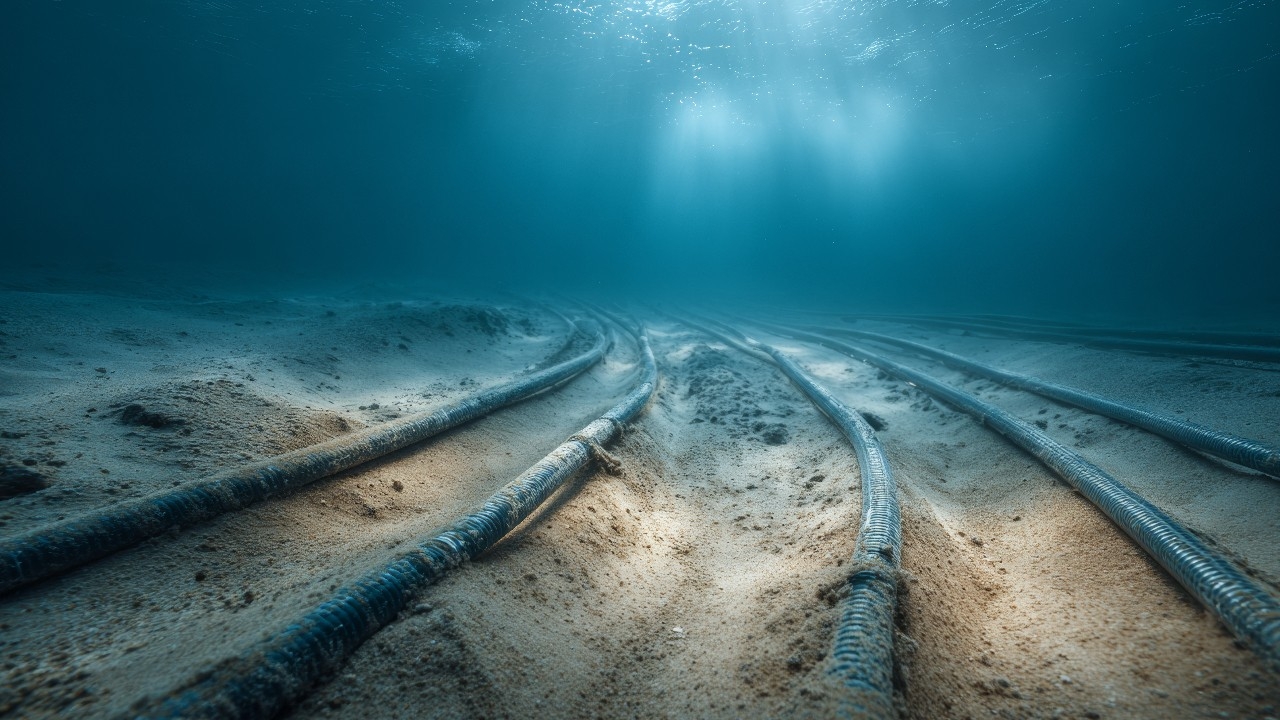
Both locations host large fiber optic cables laid on the ocean floor. These thin cables stretch thousands of kilometers and carry almost all data powering the global internet, from video calls and emails to banking transactions and technology services.
Beyond the Strait of Hormuz, another critical risk point is the Bab el-Mandeb Strait in the Red Sea, currently threatened by Yemen's Houthi group.
These two areas are global chokepoints for both energy and data, crossed by over 20 undersea cables that carry nearly all the world's data—from video calls and emails to financial transactions and AI systems.
Data shows at least 17 cables pass through the Red Sea, linking Europe, Asia, and Africa. In the Persian Gulf, key cables like AAE-1, FALCON, and the Gulf Bridge system support direct international data connections.
Repairs impossible if damaged during war.
Experts warn the risk is not only from attacks but also from the near impossibility of repairs amid ongoing fighting.
Cable repair ships cannot enter these areas due to naval mines, drone attacks, and high insecurity, meaning if cables are cut, restoration could take weeks or months.
In 2024, Houthi attacks in the Red Sea damaged cables, causing significant internet slowdowns in parts of Asia and Africa, with repairs taking several months.
Analysts warn that simultaneous closures of the Strait of Hormuz and the Red Sea would be a global shock affecting the entire digital infrastructure.
The impact would spread worldwide, not just internet outages.
Damage to cables would extend beyond internet disruptions, affecting banking and stock markets, hospitals and critical infrastructure, AI systems and large data centers, and international communications.
Arab Gulf countries would be the first affected, but countries like India and the broader Asian region would also inevitably face connectivity delays.
The risk has not yet materialized but is at its highest level in years.
Although cables are currently operational, ongoing naval mines, attacks, and limited access mean the risk of a global internet disruption is at its highest level ever recorded.
Source:India Today
Click to read related news aboutInternational News