

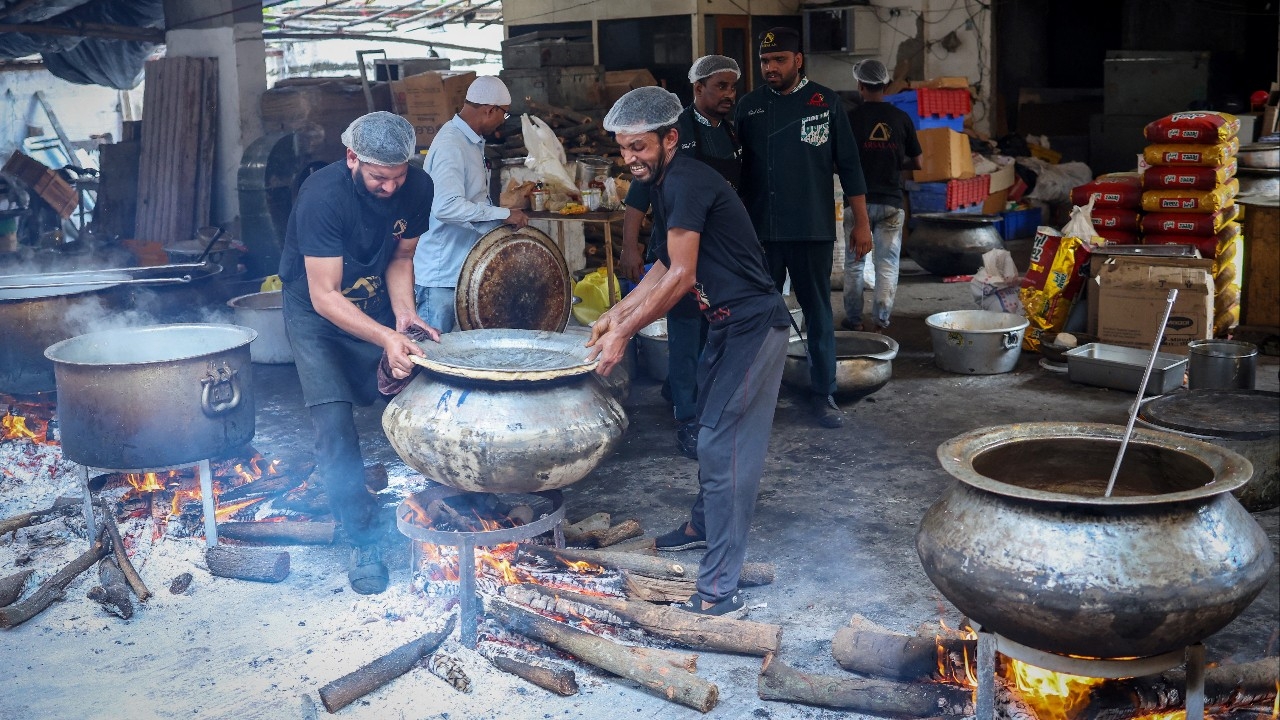
The Iran war has intensified the energy crisis. Recently, India has faced a shortage of cooking gas, leading villagers to rush to buy firewood and cow dung as gas substitutes, while experts warn of rising pollution risks that could affect health.
The energy crisis from the war between Iran, the United States, and Israel is heavily impacting India. Disruptions in energy transport through the Strait of Hormuz—a strategic point handling about one-fifth of the world's oil and gas shipments and the main source of India’s LNG and LPG—have caused many regions in India to see increased sales of firewood and compressed cow dung for use as gas alternatives. Meanwhile, some people are stockpiling cooking gas amid fears of shortages.
Government moves to counter the crisis include distributing kerosene and allowing use of dirty fuels.
Reports indicate the Indian government has issued emergency measures approving an additional 48,000 kiloliters of kerosene to assist low-income households, and has authorized restaurants and hotels to temporarily switch to alternative fuels like charcoal, firewood, biomass, and kerosene instead of cooking gas.
Although India has been promoting LPG use over traditional fuels for years, the country still imports about 60% of its LPG, making it vulnerable to this global crisis.
Experts warn of "rising pollution and health risks."
Energy academics warn that India may have to "step backward" to using dirty fuels such as coal, kerosene, and biomass (firewood, plant waste, or animal dung) due to persistent LPG cooking gas shortages in many areas. Returning to coal and biomass could rapidly increase domestic air pollution, as burning these fuels releases toxic gases like carbon monoxide, nitrogen oxides, and fine particulates that penetrate lungs and bloodstream, raising risks of heart and respiratory diseases.
Cities face severe risks as energy systems regress.
Experts highlight that urban areas might be more severely affected than rural ones, due to fewer fuel alternatives. Some may turn to electricity instead, which would further increase demand for electric power.
However, the problem is that India's electricity still relies heavily on coal—nearly 79%. Thus, switching to electricity could deepen dependence on dirty energy.
Although alternatives like biogas stoves or solar cooking systems exist to reduce fossil fuel reliance, experts stress that these technologies still require time to scale up.
Analysts suggest that if the situation prolongs, India may face a crossroads between maintaining energy security and achieving pollution reduction goals.
Source:BBC
Click to read related news aboutInternational News