

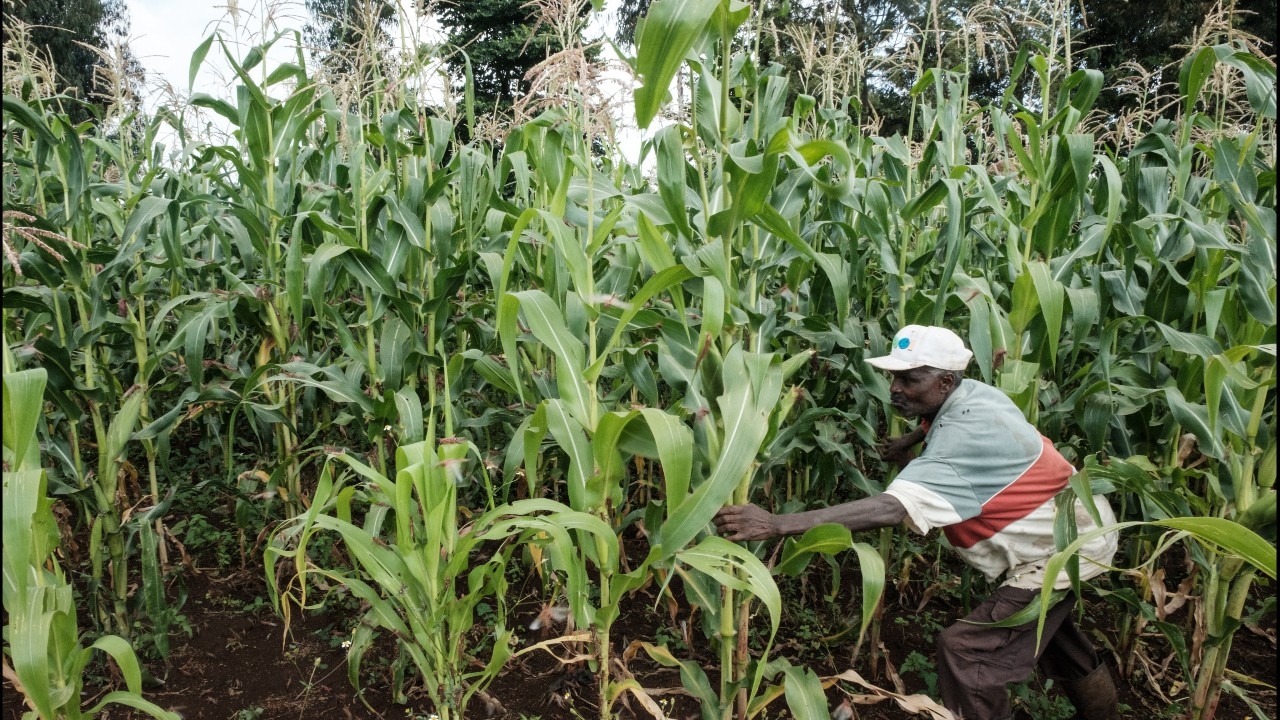
The conflict in the Middle East is becoming a significant threat to developing countries, which are facing sharply rising food prices.
The current tense war situation in the Middle East has disrupted fertilizer shipments and caused oil prices to surge, leading to another spike in food prices across many vulnerable countries. This risks causing prolonged economic recessions while many nations are still recovering from consecutive global crises.
Several developing countries that had been gaining strength and attracting new investment after the global Covid-19 pandemic and the Ukraine war, which disrupted food, fuel, and financial markets, are now again being held back by the Middle East conflict, forcing households to struggle to support their families.
Odile Renaux-Basso, President of the European Bank for Reconstruction and Development, said this could have a significant long-term impact on commodity prices, especially food prices.
A critical turning point is Tehran's order to close the Strait of Hormuz, a transit route for about 30 percent of global fertilizer trade. Producers in the Persian Gulf are major suppliers of ammonia and urea. According to the United Nations Food and Agriculture Organization, Bank of America warns this conflict threatens 65 to 70 percent of global urea supply, and urea prices have already risen by 30 to 40 percent.
Economists explain that this will impact cultivation and reduce the global supply of commodities, including animal feed grains as well as dairy and meat products.
In contrast, Latin American energy and agricultural powers like Brazil and Argentina, which are not heavily affected by the Middle East conflict due to their distance, are beginning to notice its effects. Carlos Favaro, Brazil's Minister of Agriculture, warned that Brazil may face fertilizer shortages due to the Strait of Hormuz closure.
Conversely, countries such as Somalia, Bangladesh, Kenya, and Pakistan, which do not have large fertilizer reserves and rely heavily on supply chains from Middle Eastern countries, including the Food and Agriculture Organization (FAO), report that Kenya's fertilizer costs have already increased by about 40 percent.
Yusuf Murangwa, Rwanda's Minister of Finance, stated in a press conference that Rwanda, which imports most of its fertilizer from Middle Eastern countries, is considering various measures to protect its agricultural sector.
This situation differs from the 2022 Russia-Ukraine war, which severely disrupted major food exports, caused clear fertilizer shortages, and food supply problems, thereby affecting agricultural yields. Meanwhile, higher oil prices may increase production and transportation costs. Since the Russia-Ukraine conflict began, global oil and natural gas prices have risen by over 50 percent, increasing production costs throughout the supply chain.
Data from the International Fertilizer Association reports that agricultural commodities requiring high nitrogen levels, such as corn and wheat, tend to see price increases due to higher supply chain costs.
The European Bank for Reconstruction and Development is considering various support measures, including assistance in sourcing agricultural fertilizers and preparing emergency measures if the war does not end soon.
/Source:CNA