

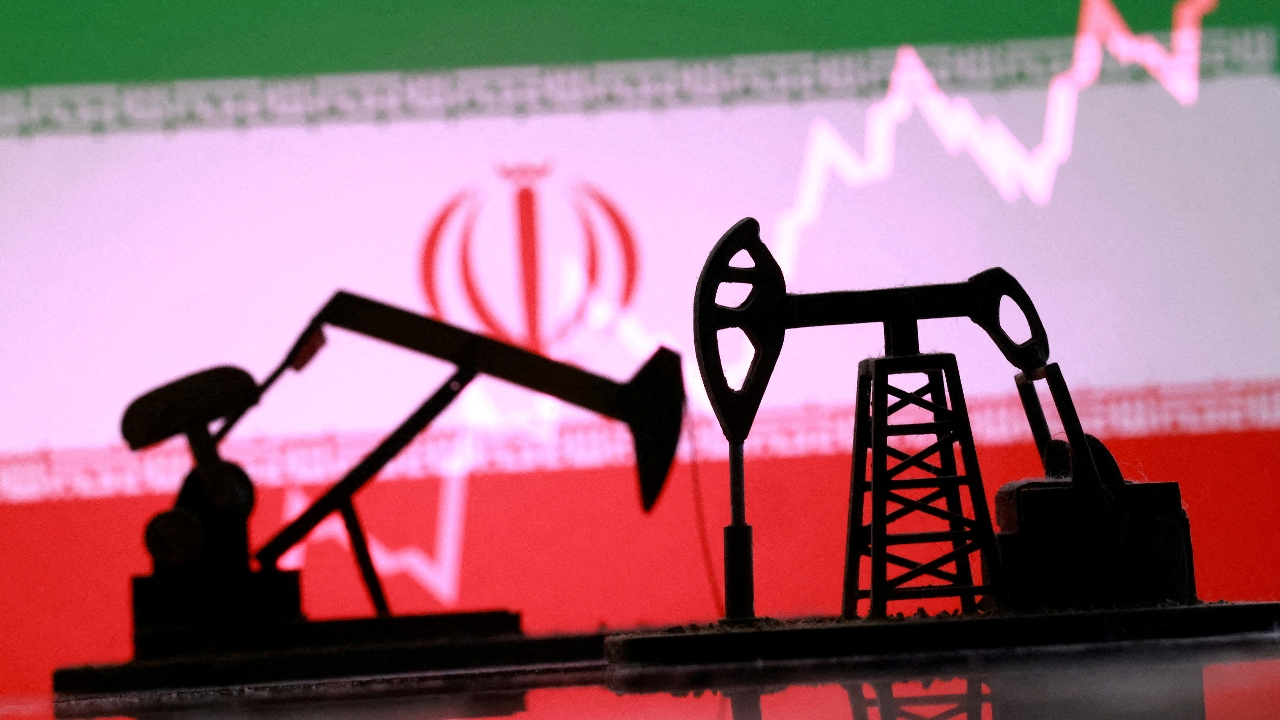
The United States has shaken global energy policy after announcing a partial easing of sanctions on Iranian oil to increase market supply, hoping to ease the oil price crisis caused by the war situation.
This move comes under the administration of Donald Trump, which is facing pressure from soaring energy prices. The U.S. government has authorized the sale of Iranian oil stored on tankers at sea through special, temporary, and limited licenses.
U.S. Treasury Secretary Scott Bessent revealed that this measure will help release about 140 million barrels of crude oil and petroleum products from Iran into the global market in the short term, with licenses valid until 19 April 2026 GMT+7.
Previously, most Iranian oil sales were restricted by U.S. and allied sanctions, with China as the main buyer at heavily discounted prices.
However, the U.S. government sees this relaxation as a way to distribute supply to other countries such as India, Japan, and Malaysia, while pressuring China to purchase oil at market prices.
Although this measure is viewed as an emergency workaround, many experts question its effectiveness.
David Tannenbaum from Blackstone Compliance Services stated, "This is unbelievable because it essentially opens the door for Iran to sell oil, which could provide funds to support the war."
Meanwhile, energy analyst Rachel Siamba believes this measure may not be a game changer and raises the crucial question of whether it will truly prevent revenues from flowing back to the Iranian government.
The global energy situation remains tense due to the impact of the war, especially around the Strait of Hormuz, a vital oil transit route that normally handles about 20% of global consumption.
Since the war began in late February, transit through this strait has been disrupted, reducing the global oil supply by approximately 10%.
Additionally, damage from attacks on energy infrastructure in Iran and Qatar increases the risk that fossil fuel production capacity could be affected long-term, even if the war ends.
Amid the energy crisis, the U.S. has taken multiple steps to increase supply, such as releasing millions of barrels from emergency reserves and partially relaxing sanctions on Russian oil.
However, these measures have faced opposition from European countries concerned they may strengthen Vladimir Putin's position and prolong the war in Ukraine.
:BBC
Click to read related newsInternational News