

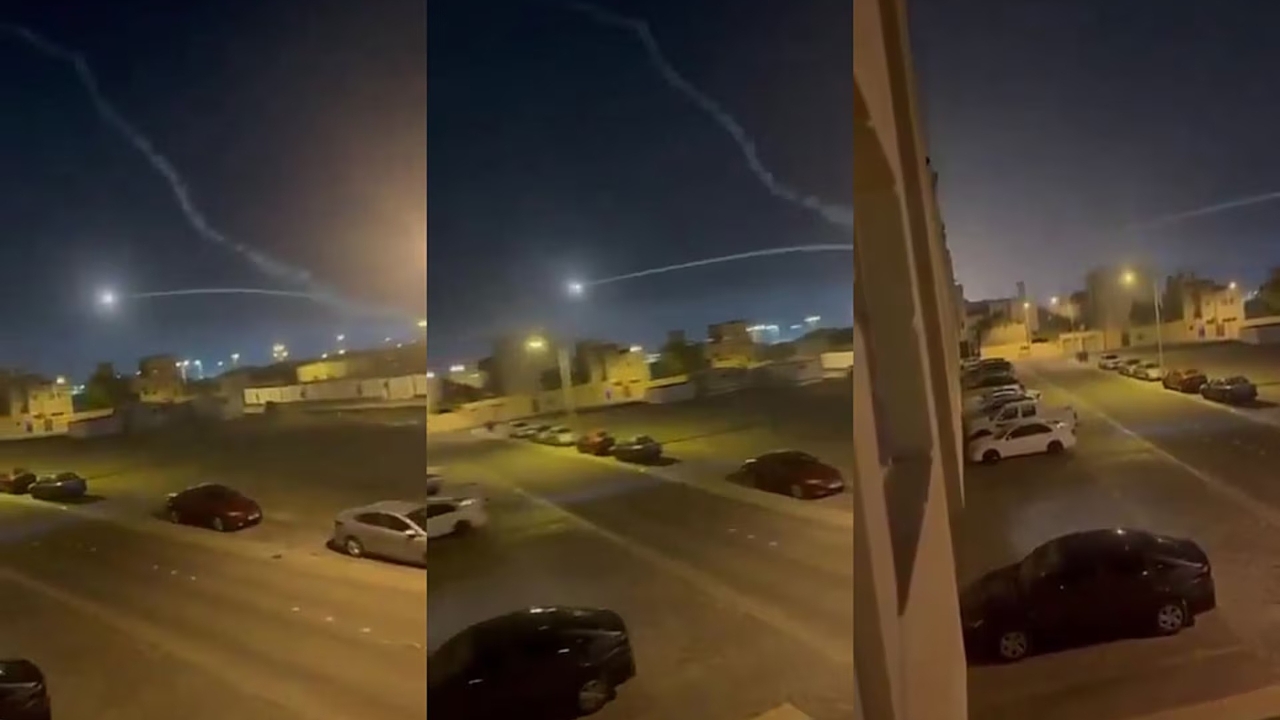
Researchers indicate a high likelihood that the Patriot missile involved in the March 9 explosion in a Bahrain residential area was fired from a US base to intercept an Iranian drone, rather than a direct Iranian attack. Meanwhile, the government confirms intercepting an Iranian drone but lacks clear evidence.
Researchers revealed satellite image and video analysis results pointing to a Patriot missile interception conducted by the US military as the possible cause of the explosion over a residential neighborhood in Bahrain in early March, resulting in over 30 civilian injuries and extensive property damage.
Following the shocking explosion before dawn on March 9 in the Mahazza neighborhood on Sitra Island, Bahrain, amid heightened tensions with Iran, recent analysis by weapons experts at the Middlebury Institute of International Studies states with "moderate to high" confidence that the missile responsible was fired from a US Patriot missile base located about 7 kilometers southwest.
Although Bahraini and US authorities initially blamed an Iranian drone attack on the community, Bahrain only admitted last Saturday that a Patriot missile was indeed involved, claiming it intercepted an Iranian drone midair and that the damage resulted from an airburst explosion, not a direct impact on the ground.
However, Reuters reports that neither Bahrain nor the US has presented evidence confirming an Iranian drone at the scene. Researchers suggest that ground damage and missile trajectory analysis from social media videos point to an alternate explanation: the Patriot missile may have malfunctioned or self-detonated midair, causing warhead fragments and leftover fuel to fall onto residential homes.
Professor Jeffrey Lewis and his research team noted that the trajectory of the second missile seen in video footage showed a low and erratic flight path, differing from the first, possibly indicating technical problems. He emphasized that if this was indeed an attempt to intercept a drone at low altitude over a residential area, it would be an "irresponsible" act posing significant danger to civilians.
Bahrain hosts the US Navy's Fifth Fleet and is critically important for security in the Strait of Hormuz, a key route for about one-fifth of the world’s oil and natural gas shipments. On the night of the incident, nearby oil refineries were attacked by Iran, leading to a state of emergency declaration; however, the air defense system failed to intercept the refinery attacks.
The US Department of Defense has not directly responded to inquiries on the matter, while a senior White House official stated only that the US is intensifying efforts to destroy Iran’s drone and missile production capabilities and affirmed that the US military "never targets civilians."
This incident highlights the risks of using expensive, high-powered missiles to intercept low-cost drones in populated areas, which may cause greater harm to allied lives and property than protection.
. REUTERS