

Saudi Arabia has cut oil shipments to Asia again in April after the Hormuz Strait route became unstable due to the US-Israel-Iran war, tightening supply and posing risks to refineries.
On 24 March 2026, Saudi Aramco, the world's largest oil exporter, announced a second consecutive monthly reduction in crude oil exports to Asian customers for April 2026 amid turmoil in the shipping route through the Hormuz Strait caused by the conflict between the US, Israel, and Iran.
Industry sources revealed that Aramco will deliver only 'Arab Light' crude oil to long-term contract customers via the Yanbu port on the Red Sea coast in western Saudi Arabia. This is an effort to avoid risks associated with the Hormuz route. The situation has tightened crude oil supplies to Asian refineries, limiting their capacity to produce refined petroleum products in the region.
Data from analytics firm Kpler showed Saudi Arabia’s crude oil exports in March were about 4.355 million barrels per day, a sharp drop from 7.108 million barrels per day in February. Meanwhile, Aramco is trying to increase shipments through Yanbu port to compensate for disruptions in the Hormuz Strait route. Reports indicate that Sinopec, China’s largest oil refiner, is expected to receive approximately 24 million barrels from Yanbu in March.
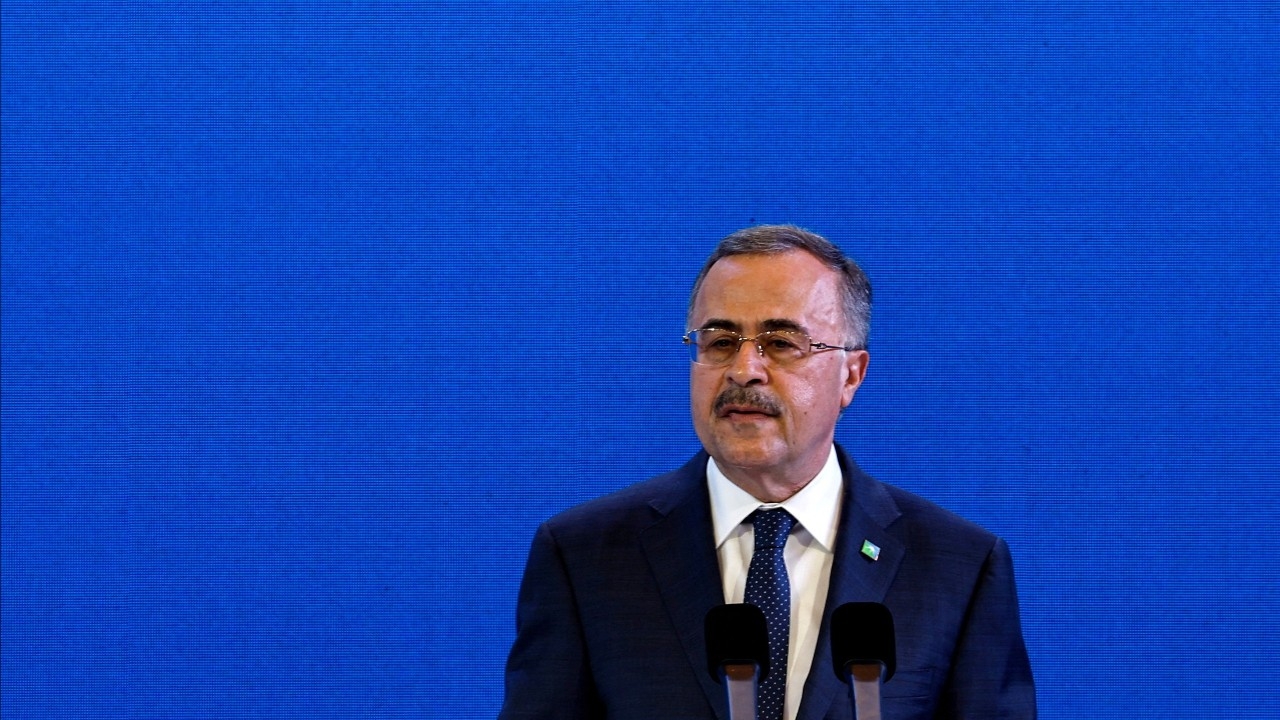
Amin Nasser, CEO of Aramco, warned that if the Middle East conflict continues to affect shipping through the Hormuz Strait, it could cause severe repercussions for the global energy market. The situation remains under close watch since the Hormuz Strait is the world’s most critical oil transit route, and prolonged tensions could have widespread effects on the global economy.
Source: Reuters