

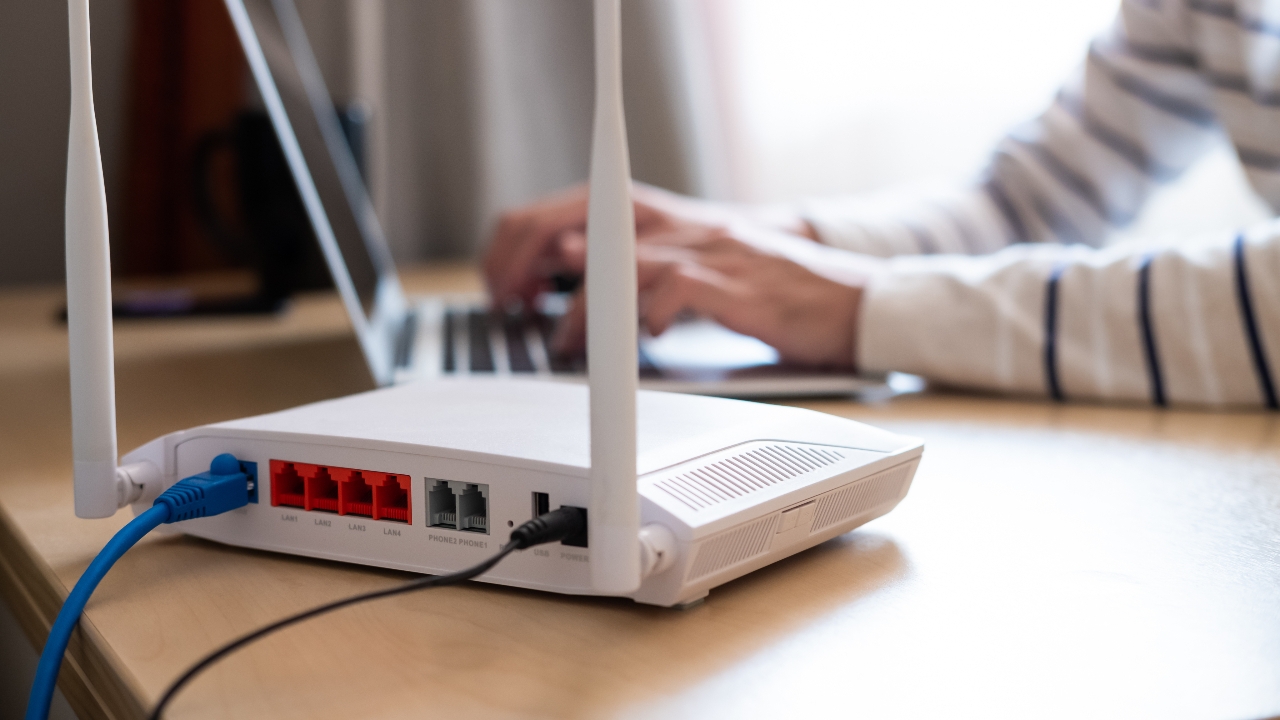
The U.S. Federal Communications Commission (FCC) announced a ban on importing and selling new foreign-made internet routers after evidence showed they were used as tools to attack infrastructure and conduct espionage. The FCC also set strict conditions for sales, requiring disclosure of foreign investors and relocation of production to the U.S.
The U.S. government has intensified its cybersecurity measures. Recently, the FCC added "consumer routers manufactured outside the U.S." to its list of unsafe devices, resulting in a ban on new foreign-made router models similar to last year's prohibition on certain foreign drones.
The FCC stated that hostile actors have exploited security vulnerabilities in foreign-made routers to attack American households, disrupt networks, conduct espionage, and steal intellectual property. This includes major cyberattacks codenamed "Volt, Flax, and Salt Typhoon" during 2024-2025, targeting U.S. infrastructure and linked to the Chinese government.
This measure bans only new router models. Existing foreign-made routers can still be used normally, but new models introduced henceforth will be prohibited from import and sale until approved. Companies manufacturing abroad must apply for conditional approval by fully disclosing foreign investors and presenting a clear plan to relocate production to the U.S.
The order covers routers designed in America but manufactured overseas, such as Netgear, as well as top-selling brands like China's TP-Link.
However, some devices may be exempt if certified safe by the U.S. Department of Defense or Department of Homeland Security. Currently, only a few devices meet these standards, including SpaceX's Starlink routers, whose main production base is in Texas.
This move reflects the U.S. effort to bring the technology supply chain back home to mitigate risks to infrastructure and citizens' daily lives from future cyberattacks.
. BBC