

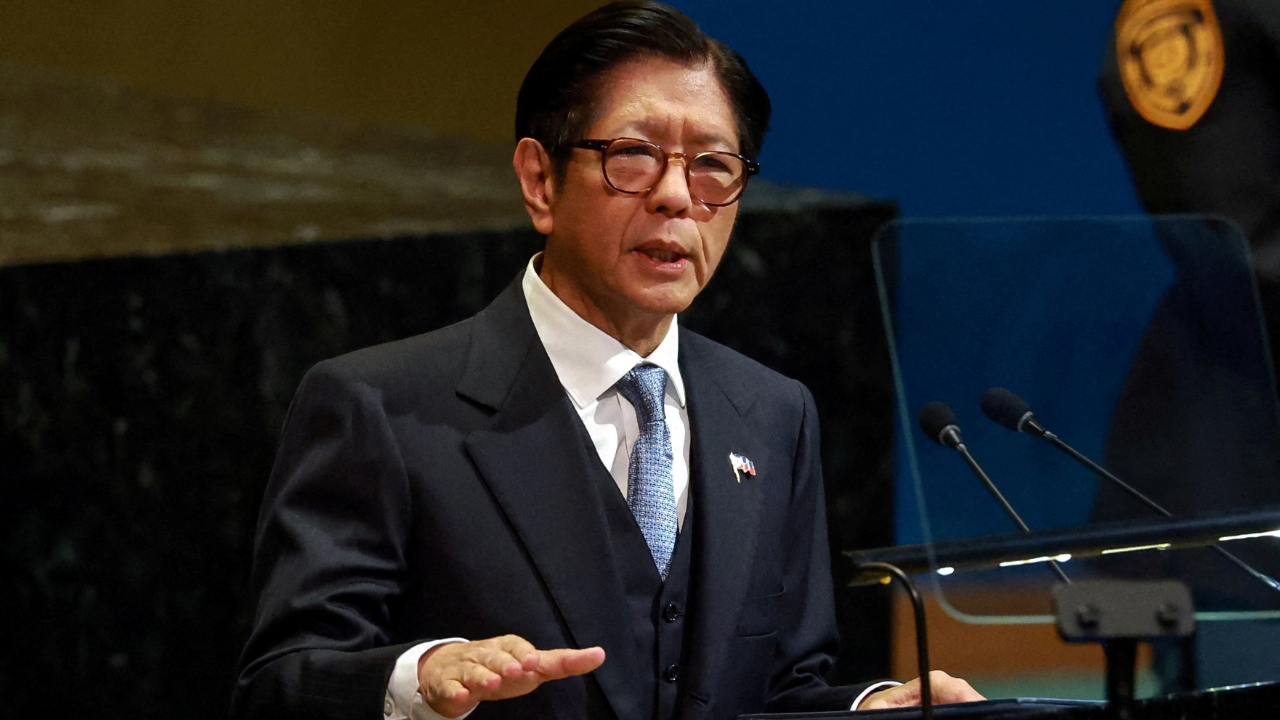
The President of the Philippines has declared a one-year energy emergency to address the effects of the Middle East war, which is driving oil prices higher, and has established a committee to oversee related matters.
On 24 Mar 2026 GMT+7, Philippine President Ferdinand Marcos Jr. declared a national energy emergency in response to the Middle East conflict and to confront what he called an "imminent threat" to the country's energy security.
In an executive order released to the media, Marcos stated that a committee has been formed to ensure the orderly movement, procurement, distribution, and allocation of fuel, food, medicine, agricultural products, and other essential goods.
The Philippine leader noted that the conflict has caused uncertainty in the global energy market, severe supply chain disruptions, significant volatility, and upward pressure driving crude oil prices higher, "which threatens the nation’s energy security."
"Declaring a national energy emergency enables the government... to implement coordinated and responsive measures under existing laws to manage risks from global energy supply disruptions and their domestic economic impact," he said.
The energy emergency declaration will be effective for one year, granting the government authority to purchase fuel and petroleum products to ensure adequate and timely supply. If necessary, the government may also make advance payments on some contracts.
Earlier on Tuesday, Sharon Garin, the Philippine Energy Secretary, said in a press briefing that the country currently holds fuel reserves sufficient for about 45 days based on current consumption levels.
She added that the government is procuring one million barrels of oil from countries both within and outside Southeast Asia to build reserves. However, uncertainties remain regarding future purchase rounds.
This emergency declaration will enable the government to act more swiftly and bypass some normal procedures to counter the impact of the Middle East conflict, which has pushed oil prices up and disrupted global markets.
Furthermore, Marcos has directed the Finance Ministry to coordinate with the Philippine central bank to closely monitor the conflict’s effects on the peso exchange rate and remittances, as well as the risk of peso depreciation.
Before the executive order, some senators criticized the task force for lacking unity and coordination in addressing soaring oil prices, while the Economy Planning Minister warned this could lead to inflation reaching levels not seen in years and weaken economic growth.
Meanwhile, transport sector labor groups, public transport users, and consumer groups are planning a two-day strike starting Thursday to protest fuel price hikes, accusing the Marcos administration of failing to resolve the issue.
Follow international news:https://www.thairath.co.th/news/foreign
Source:cna