

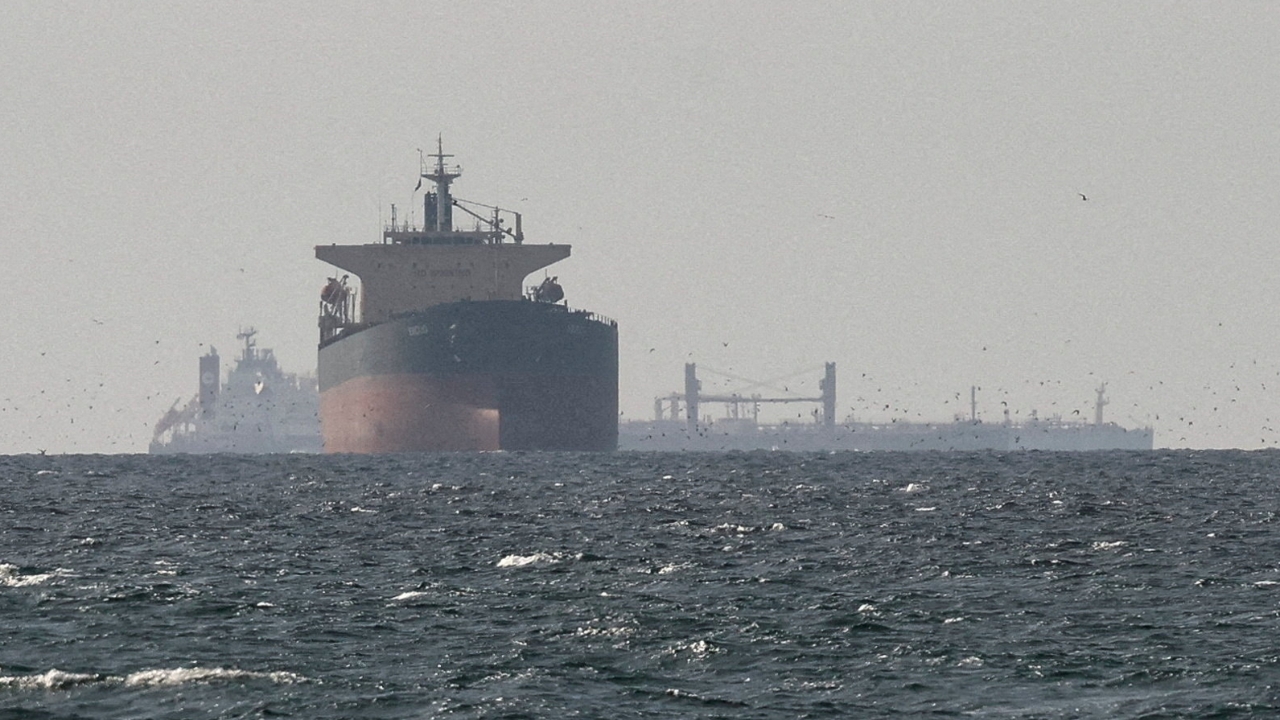
Iran has announced that ships "without hostile intent" are allowed to transit the Strait of Hormuz under strict security conditions, while Asian stock markets and oil prices responded to rumors of a 15-point peace plan from the Trump administration.
Iran's Permanent Mission to the United Nations stated on Tuesday (24 Mar) that commercial vessels may use the "safe passage" route through the Strait of Hormuz, provided they do not participate in or support acts of aggression against Iran. They must also strictly comply with safety and security regulations and coordinate with Iranian authorities prior to transit.
This statement follows a sharp decline in vessel traffic through the strait—a key route transporting one-fifth of the world’s oil—from an average of 120 ships per day to only 5 daily since the outbreak of conflict involving the United States, Israel, and Iran on 28 February.
The previous closure of the Strait of Hormuz caused a dramatic surge in global oil prices, with analysts predicting prices could reach $150–$200 per barrel if the situation persists. However, Brent crude oil prices fell more than 9% today (25 Mar) after reports that President Donald Trump sent a 15-point peace plan to Iran to end the conflict.
Asian stock markets reacted positively: Japan’s Nikkei 225 index rose 2.3%, South Korea’s KOSPI index climbed 2.6%, and Hong Kong’s Hang Seng index increased by 0.7%.
Although Iran has affirmed the strait remains open for "non-enemies," details of the navigation regulations remain unclear, causing concern among international shipping companies about practical safety. Peace negotiations are still in early, fragile stages amid ongoing intermittent fighting.
."Source".Al Jazeera