

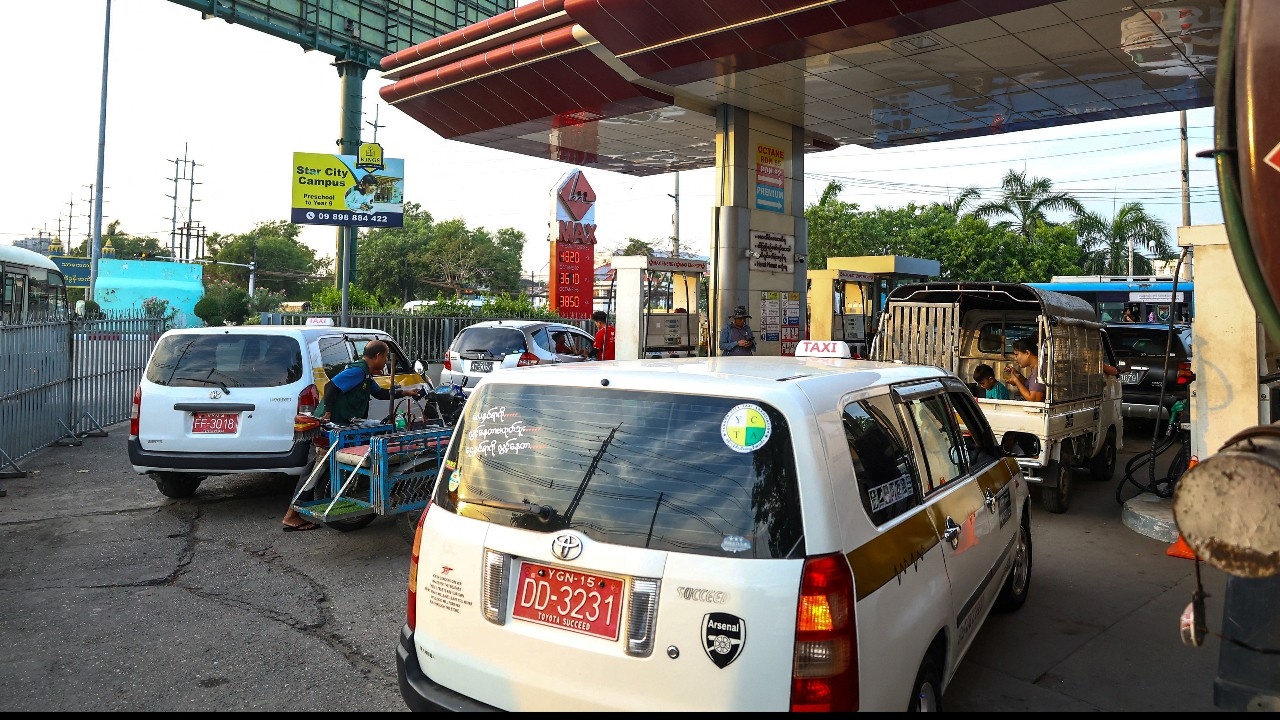
Countries across Asia are reverting to COVID-19 era measures, including work-from-home policies and economic stimulus efforts, to cope with the global energy crisis caused by the Iran war, which has sharply driven up oil prices.
Asia is one of the regions most heavily affected by this crisis because it relies on more than 80% of its crude oil transported through the Strait of Hormuz, which has been nearly completely blocked since the war broke out on 28 February.
Although no Asian country has officially mandated working from home, many are seriously considering it.
The International Energy Agency (IEA) has proposed measures to ease energy pressures, such as encouraging work from home, reducing air travel, and conserving energy in daily life.
Simultaneously, the IEA announced an unprecedented release of around 400 million barrels from strategic petroleum reserves to help alleviate the crisis.
Fatih Birol, Executive Director of the IEA, emphasized that such measures have proven effective before—for example, during Russia’s invasion of Ukraine, when Europe reduced its dependence on Russian energy while maintaining its electricity systems.

Several countries have begun to take concrete actions: South Korea, the Philippines, and Thailand.
In South Korea, the government launched a campaign encouraging citizens to save energy by shortening showers, charging phones during daytime, and using electrical appliances during appropriate hours.
Meanwhile, the Energy Minister stated that work-from-home is a good idea currently under consideration.
The Philippines, heavily dependent on Middle Eastern oil, has reduced workdays in some government offices and declared an energy emergency, with President Ferdinand Marcos warning that the situation poses an urgent threat to energy security.
In Thailand, Prime Minister Anutin Charnvirakul has ordered energy-saving measures in the public sector, including suspending overseas travel, setting air conditioning above 25 degrees Celsius, avoiding suits, using stairs instead of elevators, and supporting work-from-home arrangements.
Pakistan, Sri Lanka, and Singapore have implemented stricter measures.
Pakistan closed schools for two weeks and increased work-from-home policies.
Sri Lanka declared every Wednesday a public holiday to extend the use of fuel supplies.
Singapore has advised citizens and businesses to use energy-efficient appliances, switch to electric vehicles, and raise air conditioning temperatures.
Additionally, many countries have started introducing direct support measures for their populations.
Japan is preparing to use a reserve budget of 800 billion yen to subsidize oil prices, aiming to keep prices around 170 yen per liter.
New Zealand plans to provide low-income families with weekly payments of 50 New Zealand dollars to mitigate the impact of energy prices.
Meanwhile, Australia faces fuel shortages due to hoarding and has enacted laws to increase penalties for price gouging on fuel.
However, despite similarities to COVID-era measures, monetary policy differs this time; central banks are not cutting interest rates but are likely to raise them to curb inflation driven by energy prices.
Australia's central bank has already raised interest rates twice this year and warned that energy risks are a major factor driving inflation.
Analysts say central banks worldwide face a dilemma: rising oil prices push inflation higher, but tightening monetary policy could slow economic growth.
Click to read related newsInternational news