

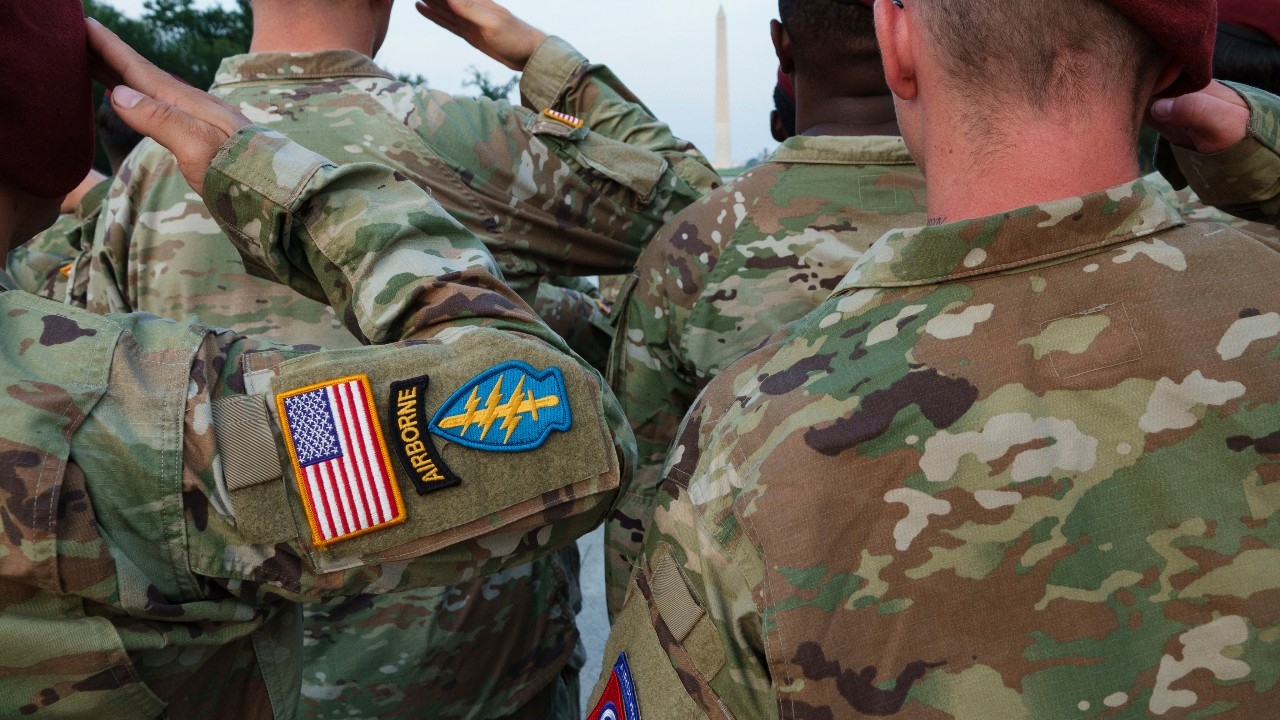
Sources indicate the US Department of Defense is preparing to send nearly 4,000 paratroopers from the elite 82nd Airborne Division into the Middle East battlefield to reinforce ground forces amid the war with Iran entering its fourth week. This comes despite Donald Trump’s claims of progress in negotiations, while polls show most Americans are beginning to oppose the conflict.
The US Department of Defense plans to deploy between 3,000 and 4,000 soldiers from the 82nd Airborne Division, an elite combat unit based at Fort Bragg, North Carolina, to the Middle East. This unit is capable of parachuting into operational areas within 18 hours of receiving orders.
Sources confirm there has been no decision to send troops directly into Iranian territory. However, this reinforcement aims to enhance capabilities for future operations and to expand military options, including "ground operations inside Iran," such as plans to seize the coastline to control the Strait of Hormuz and to invade Kharg Island, which handles 90% of Iran’s oil exports.
Since the joint military operations between the US and Israel began on 28 February, the situation has continued to escalate. The US has struck over 9,000 targets in Iran, with 13 American soldiers killed and 290 wounded, including 10 seriously injured. Prior to this troop buildup, the US already had over 50,000 troops stationed in the region, supported by aircraft carrier strike groups and the USS Boxer amphibious assault ship carrying Marines.
This major military move comes as President Donald Trump attempts to signal optimism on social media about "fruitful" negotiations with Tehran and has postponed plans to bomb Iranian power plants. However, Iranian authorities promptly denied that any negotiations are taking place.
Deploying infantry to the battlefield is a high-risk decision for Trump, contradicting his campaign promises not to lead the country into another Middle East war. Additionally, a recent Reuters/Ipsos poll found only 35% of Americans support attacks on Iran, down from the previous week, while 61% oppose this war.