

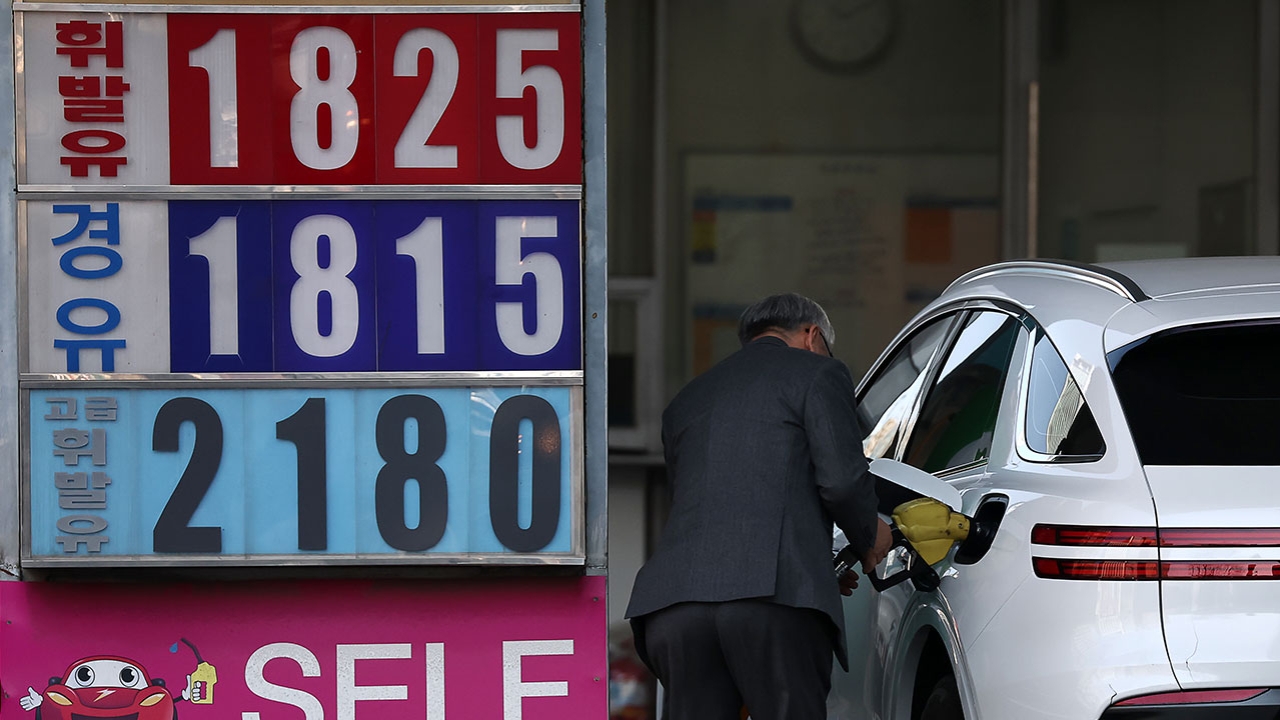
The South Korean government announced emergency measures to increase excise tax reductions on oil: diesel tax cut by 25% and gasoline by 15%, effective 27 March. It also banned hoarding of "urea solution," with violators facing up to 3 years imprisonment, aiming to alleviate living costs amid the energy price crisis.
South Korea's Ministry of Finance announced an emergency economic response plan to address the prolonged Middle East conflict's impact, which has caused continuous global crude oil price surges. A key measure is expanding the ceiling on oil tax reductions to ease financial burdens on the public and the transport sector.
Details of the oil tax cuts effective from 27 March: diesel tax cut expanded from 10% to 25%, lowering prices by about 87 won (approximately 1.90 baht) per liter; gasoline tax cut increased from 7% to 15%, reducing prices by about 65 won (around 1.42 baht) per liter. These measures will remain in effect until the end of May.
Deputy Prime Minister and Minister of Finance Koo Yun-cheol said diesel prices have been more affected by high global market rates than gasoline and are a major cost in industry and logistics. Therefore, the government decided to reduce taxes at a higher rate to prevent a ripple effect on product prices.
Beyond oil, the government expanded the list of price-controlled items to 43 (up from 23), covering fresh food, industrial goods, and food delivery fees. It announced price caps on local and central public service fees through the first half of this year and allocated 1.5 billion won for promotions offering up to 50% discounts on agricultural and food products from April to May.
To prevent speculation amid the crisis, the government imposed strict rules banning hoarding of "urea solution," used in diesel engines and industry. Producers and distributors are prohibited from stockpiling more than 150% of their average monthly 2025 sales for over seven days. Violators face up to 3 years imprisonment or fines up to 100 million won, or both, and may have products confiscated.
Additional transport sector measures include a one-month exemption from expressway tolls for freight trucks and regular buses to help reduce transport costs heavily impacted by recent oil price hikes.