

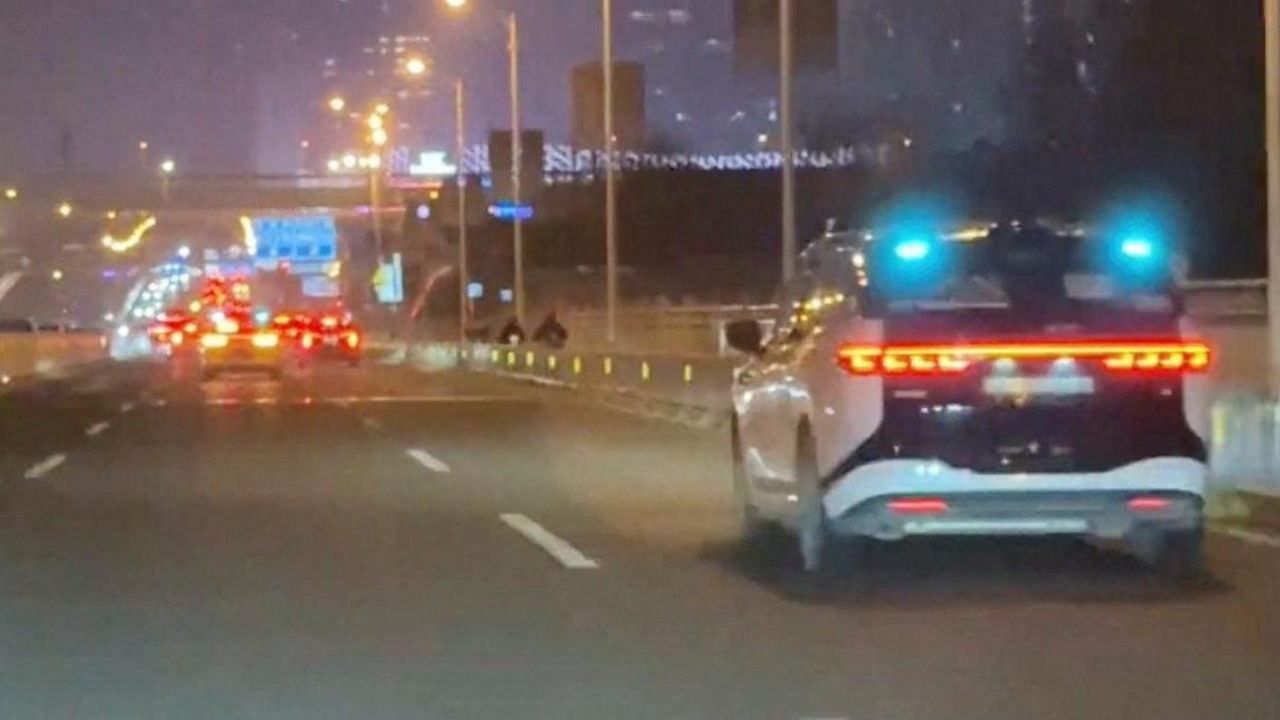
Chaos broke out in Wuhan, China, when hundreds of driverless taxis suddenly stopped working in the middle of the streets, paralyzing traffic and sparking renewed debate about the safety of autonomous technology. Police indicated the cause was a system malfunction.
A large number of driverless taxis (Robotaxis) stalled mid-road in Wuhan. Police initially stated that a "system malfunction" caused hundreds of vehicles to become immobilized.
Footage shared on social media showed severe traffic jams. One video appeared to show a traffic accident on the highway resulting from the system failure. However, police confirmed no injuries were reported, and passengers inside the vehicles were able to exit safely.
Currently, Baidu, the company providing driverless taxi services under the Apollo Go brand, has not commented on the incident. Police said investigations are ongoing to determine the exact cause.
This incident has raised concerns in the global driverless technology industry, as Baidu plans to expand Apollo Go services internationally. At the end of 2025, Baidu announced partnerships with Uber and Lyft to begin testing these vehicles on UK roads in 2026.
Professor Jack Stilgoe from University College London (UCL) commented that although driverless technology may be safer than average human drivers, this event shows that "systems can still fail in new ways we've never encountered before," and society must better understand these new risks before widespread adoption.
In recent months, driverless car technology has faced multiple challenges. In December 2025, a major power outage in San Francisco caused Waymo taxis to stop simultaneously, resulting in citywide traffic jams. In August 2025, an Apollo Go taxi in Chongqing crashed into a construction pit while carrying passengers.
The Wuhan incident underscores that no matter how advanced the technology becomes, system stability and broad risk management remain major challenges developers must urgently address.
/sourceBBC