

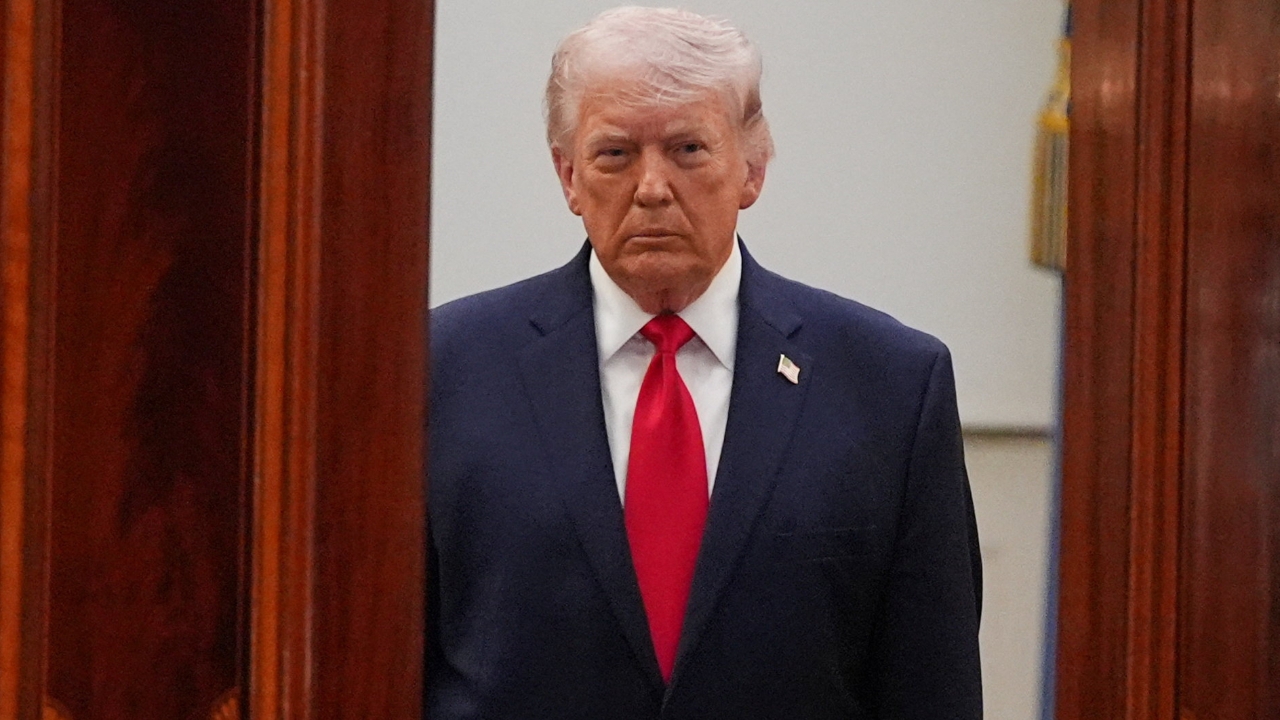
Donald Trump declared firmly that the destruction has only just begun, threatening to strike more of Iran's infrastructure, including power plants and bridges, after the Strait of Hormuz was closed for months, causing global oil prices to surge. Legal experts have warned of potential "war crimes" while the United Nations prepares to vote on protecting navigation through the Strait of Hormuz.
U.S. President Donald Trump posted on social media that the U.S. military "has not even started destroying what remains in Iran." He stated that the next targets would be bridges and power plants, pressing Iranian leaders to quickly decide to end the conflict.
This threat followed the U.S. airstrike on the B1 bridge—the tallest bridge in the Middle East, still under construction—which resulted in 8 deaths and nearly 100 injuries. Iran's Foreign Minister Abbas Araghchi immediately responded that attacking civilian infrastructure would not force Iran to surrender.
More than 100 international law experts expressed serious concern that the U.S. military's actions, along with statements from senior officials and Trump's remark that attacks were "for fun," may violate international humanitarian law and constitute war crimes.
The conflict, now over five weeks long, has completely closed the Strait of Hormuz, one of the world's top five oil shipping routes. This has triggered a chain reaction with oil prices continuously rising amid worries that the U.S. lacks a clear plan to reopen the strait. Meanwhile, Asia and Europe are facing fuel shortages and economic slowdowns. The United Nations warned that Africa could face a major cost-of-living crisis due to the global economic disruption.
On 4 Apr 2024 GMT+7, the United Nations Security Council (UNSC) is set to vote on a Bahrain-led proposal to protect commercial vessels. However, China has clearly opposed allowing military force, arguing it could escalate the situation beyond control.
Meanwhile, Iran has proposed charging "tolls" for passage through the strait, but the European Union, led by foreign policy chief Kaya Kallas, immediately rejected this, stating international law does not recognize such toll systems for passage rights.
The International Federation of Red Cross and Red Crescent Societies (IFRC) reported thousands of deaths and tens of thousands injured across the Middle East. Medical supplies are severely lacking amid daily missile and drone attacks in neighboring countries such as Kuwait.