

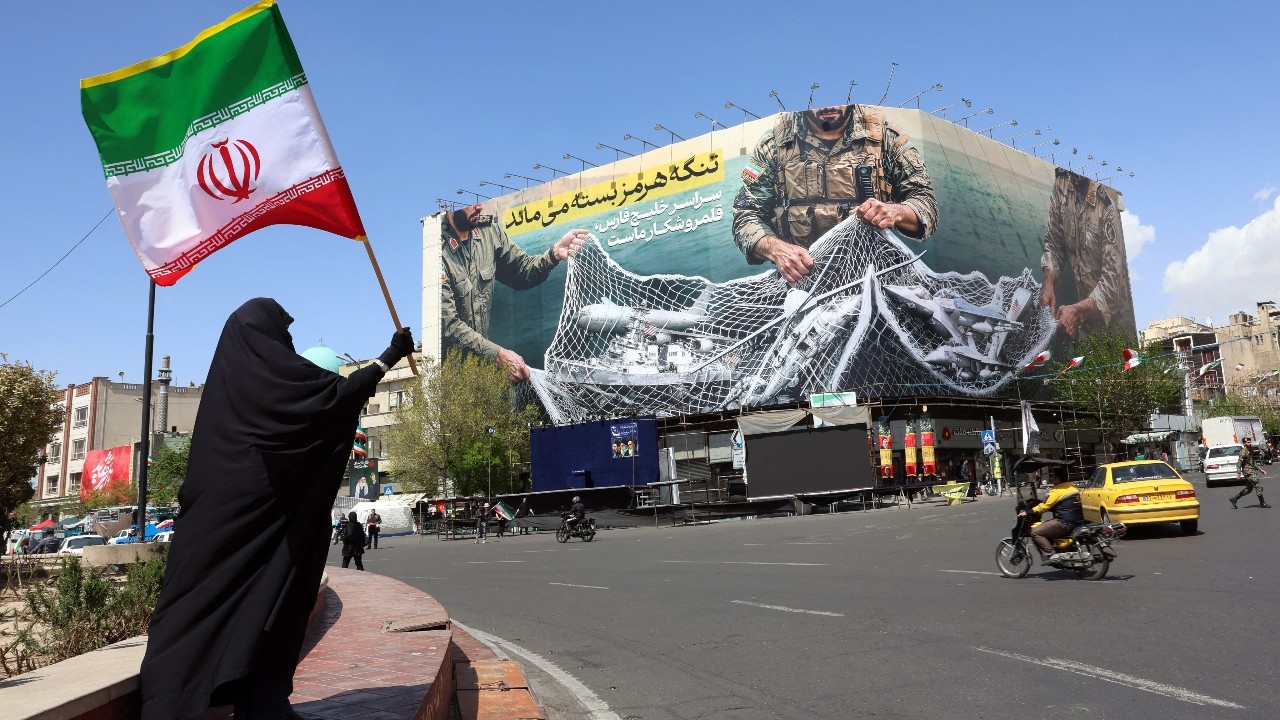
The United States and Iran have agreed on a framework proposal to end the military conflict, involving a two-stage plan consisting of an immediate ceasefire followed by negotiations for a permanent agreement within 15-20 days. However, Iran continues to refuse to immediately open the Strait of Hormuz, viewing the US as unprepared for a lasting ceasefire.
Sources indicate that the peace plan under discussion involves two phases: an immediate ceasefire declaration, followed by a comprehensive agreement within 15-20 days. General Asim Munir, Pakistan's Army Chief, is serving as a mediator, coordinating with US Vice President JD Vance and Iranian Foreign Minister Abbas Araghchi throughout the previous night.
However, a senior Iranian official told Reuters that Iran will not open the Strait of Hormuz—one of the world's five main oil shipping routes—merely in exchange for a temporary ceasefire. The official confirmed Iran will not accept any "deadlines" during proposal deliberations, as they consider the US government unprepared to agree to a permanent ceasefire.
Meanwhile, President Donald Trump posted a strongly worded message on social media threatening additional attacks on Iran's energy and transportation infrastructure if the Strait of Hormuz is not opened by Tuesday, 7 April at 8:00 p.m. Eastern US time (corresponding to Wednesday morning in Thailand).
The war, which has lasted over five weeks, has already resulted in at least 3,540 deaths in Iran, including 244 children. Meanwhile, Israel and Lebanon have suffered heavy damage from retaliatory attacks by Hezbollah and Iran.
Additionally, Iranian state media confirmed the death of Majid Kadhimi, head of the Islamic Revolutionary Guard Corps (IRGC) intelligence unit, among several senior officials killed in attacks by the US and Israel. This includes the former Supreme Leader Ayatollah Ali Khamenei, who has now been succeeded by his son, Mojtaba.
The situation remains volatile, as an advisor to the President of the United Arab Emirates warned that if any agreement fails to curb Iran's nuclear and missile programs, the Middle East will enter an era far more dangerous and unstable than before.
/sourceReuters