

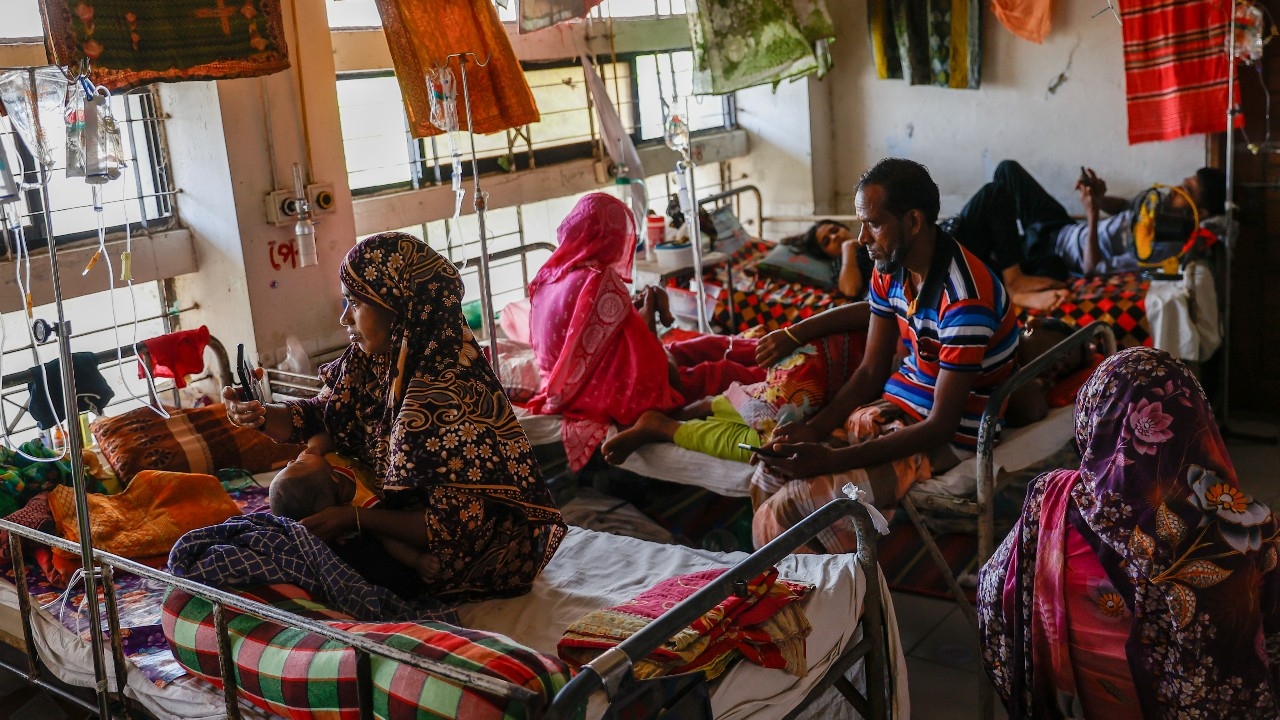
Bangladesh has launched an emergency nationwide vaccination campaign after more than 100 deaths from measles, mostly among children, amid over 7,500 infections. UNICEF has joined the government to accelerate emergency vaccinations for more than 1.2 million children, responding to vaccine shortages that reflect long-standing gaps in the immunization system.
The government of Bangladesh announced the start of an emergency nationwide vaccination campaign on Sunday, 5 Apr, to tackle a severe measles outbreak expected to be the deadliest in the country's recent history. Reports indicate over 100 suspected measles deaths, mostly young children.
Data from the Ministry of Health shows that since 15 March, there have been more than 7,500 suspected measles cases, with over 900 confirmed by lab tests. This marks a shocking increase compared to 2025, when only 125 cases were reported throughout the year.
Experts say the severe resurgence of measles is due to "vulnerabilities" in immunity-building systems. Normally, Bangladesh conducts special vaccination rounds every four years, but none have occurred since 2020 due to the COVID-19 crisis and political unrest in 2024, which led to a government transition.
Additionally, delayed procurement has caused vaccine shortages in stock. UNICEF expressed concern that one-third of current infections are in infants under nine months old, who are not yet eligible for routine vaccination, making this group especially vulnerable.
In cooperation with the World Health Organization and UNICEF, Bangladeshi authorities are now vaccinating against measles and rubella in 30 subdistricts, targeting over 1.2 million children aged 6 months to 5 years. The focus is on children who missed scheduled vaccinations, especially in crowded areas like Dhaka and Rohingya refugee camps in Cox's Bazar.
Measles is a highly contagious respiratory disease spread through the air. Early symptoms include high fever, cough, sneezing, and red, watery eyes. Without treatment, serious complications and death can occur. The World Health Organization emphasizes that to stop the outbreak, vaccination coverage must reach at least 95% of the population in affected areas.
Experts warn that although global measles cases have declined over the long term, outbreaks increased in 2024-2025 across Asia, Africa, Europe, and the U.S. This rise is partly due to reduced vaccination rates following the COVID-19 pandemic and growing vaccine hesitancy in some countries.
. BBC