

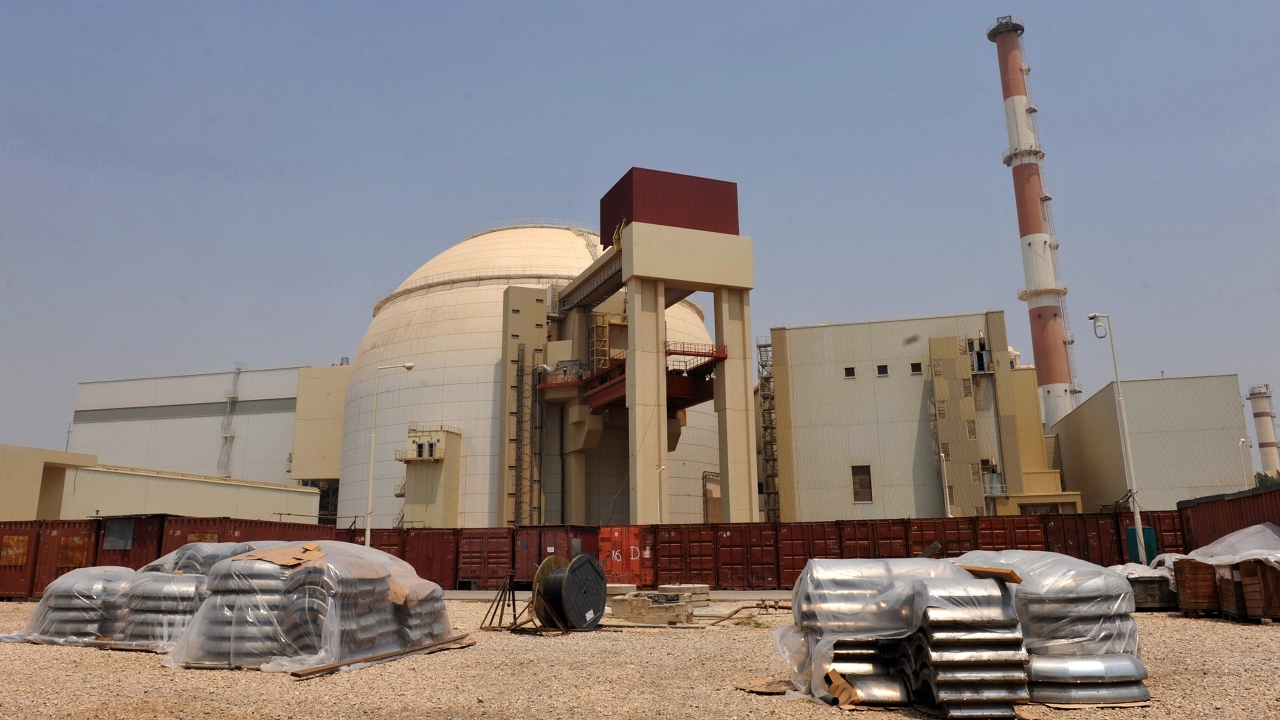
The Iranian government is rallying youth and citizens to form a "human shield" around power plants to prevent attacks after Donald Trump declared his intent to destroy all infrastructure and bridges within 4 hours if Iran does not reopen the global oil shipping route through the Strait of Hormuz as scheduled.
The Iranian government has called on civilians, including youth groups, athletes, and artists, to gather and create a "human shield" around power plants nationwide at 2:00 p.m. local time on Tuesday (7 April) to condemn U.S. President Donald Trump's threats to attack public infrastructure.
Ali Reza Rahimi, Iran's Deputy Minister of Youth and Sports, stated on government television, "We will stand united to declare that attacking public infrastructure is a war crime." He called this event the "Iranian Youth Human Shield for a Bright Future." However, analysts view this as the Iranian government's attempt to use its own people as a "human shield" to deter airstrikes.
This move follows Donald Trump posting a harsh ultimatum demanding Iran reopen the shipping route in the Strait of Hormuz, which has been blocked since 2 March, severely impacting global oil prices.
Trump said, "Tuesday will be a day for power plants and bridges in Iran... Everything will be destroyed," emphasizing in a press conference that the U.S. plans to demolish every bridge and power plant in Iran, rendering them unusable, with the operation lasting only 4 hours if Iran does not comply by the 8 April deadline.
Energy policy experts from Bar-Ilan University in Israel analyzed that while bombing power plants would cause massive civilian damage, it might not halt military operations of the Islamic Revolutionary Guard Corps (IRGC) because they have independent power supplies and small separate power plants for missile bases.
Furthermore, Iran relies on seawater desalination for only 10% of its freshwater, unlike other Gulf countries. Therefore, a power outage crisis may not immediately cause water shortages or riots as the U.S. expects.
Reports indicate that in the early hours of Tuesday, explosions were heard in multiple areas of Tehran and nearby Karaj as the U.S. and Israel continued targeting sites in Iran. Iran responded by launching drones and missiles at regional targets as well.
The world is closely watching to see if the situation escalates into full-scale war when Trump’s deadline arrives late Tuesday U.S. time, amid a global energy crisis with oil prices soaring to historic highs due to the Strait's closure.
/sourcenews.com.au