

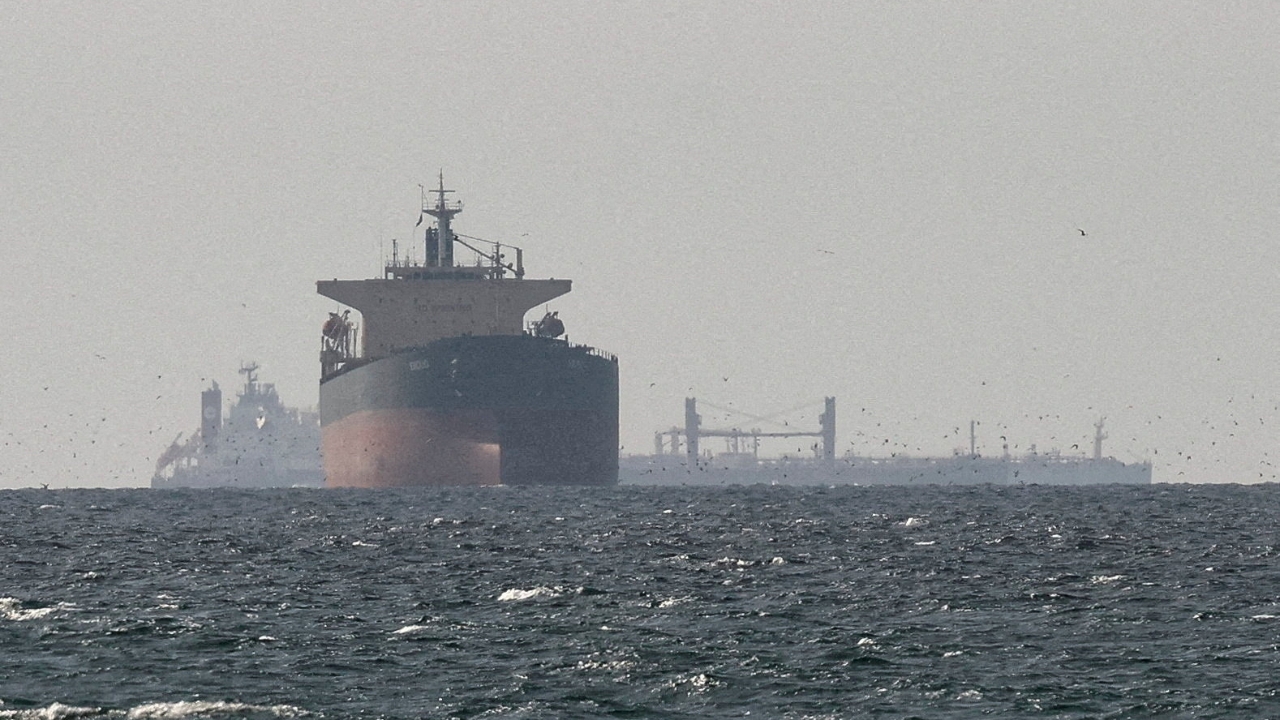
More than six hours have passed since the United States and Iran announced a ceasefire agreement, but the latest shipping data indicates that traffic through the Strait of Hormuz remains nearly motionless, reflecting unresolved safety concerns.
Maritime security experts say that although the ceasefire is an important first step, it is not enough to immediately restore normal commercial shipping operations.
Charlie Brown, senior advisor on tracking ghost fleets at United Against Nuclear Iran and a former U.S. Navy officer, stated that ship operators are still waiting to see the stance of key parties, including maritime security agencies, the flag states of vessels, and war risk insurers.
He emphasized that the key signal the market is watching is which first group of ships will dare to navigate this route; if safe passage can be ensured, confidence will quickly return and other operators will follow.
Since the war began, Iran has attacked at least 19 vessels in the Strait of Hormuz, which connects the Persian Gulf and the Gulf of Oman. The nearly six-week blockade has disrupted global crude oil exports and exerted heavy pressure on financial markets.
Iranian Foreign Minister Abbas Araghchi stated that navigation through the Strait of Hormuz can be conducted safely but only under coordination with the Iranian military.
Meanwhile, Iranian state media reported that Iran and Oman plan to impose fees on ships passing through the strait during the ceasefire, leaving the situation uncertain.
. Source:channelnewsasia
Click to read news related toInternational News