

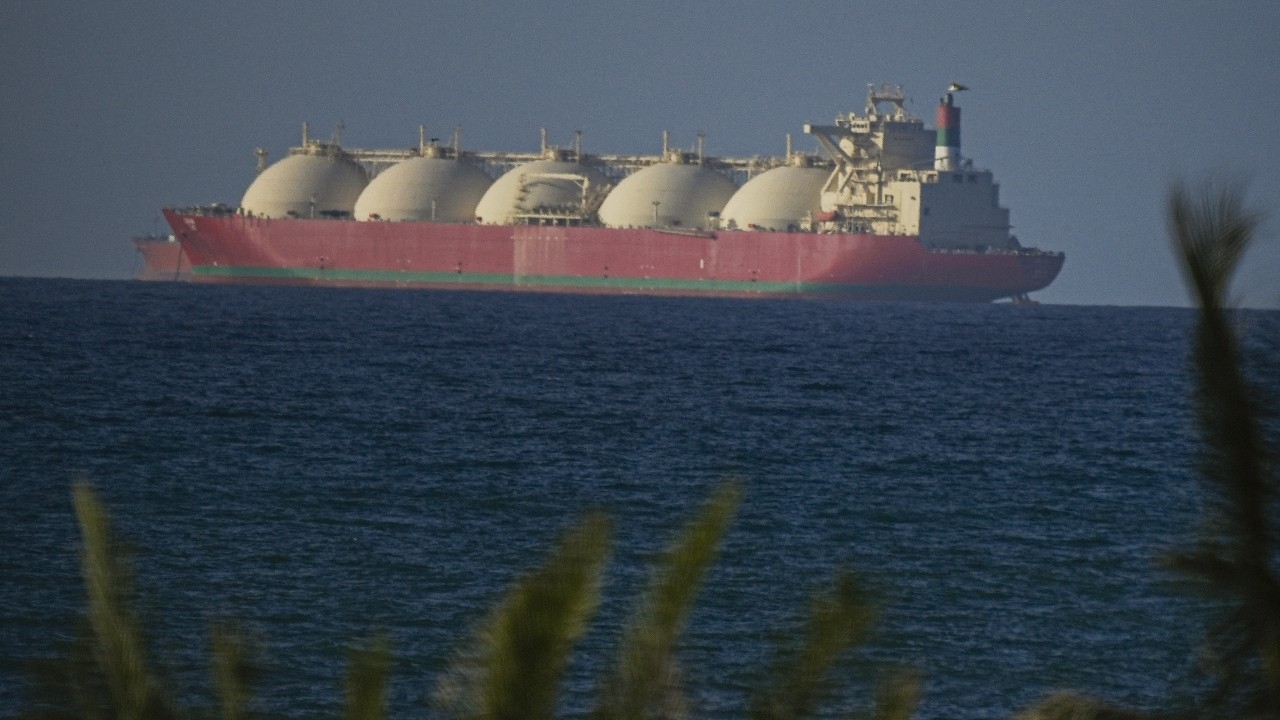
Iran has proposed a toll collection system for passage through the Strait of Hormuz using cryptocurrency, aiming to avoid asset seizures from sanctions. Meanwhile, it has ordered strict inspections of every vessel during the two-week ceasefire. U.S. President Donald Trump has issued an ultimatum demanding the route be opened immediately and safely.
The Iranian government is trying to increase control over the Strait of Hormuz, a strategic global oil transport route, amid a fragile two-week ceasefire. It has proposed collecting "passage fees" from oil tankers in cryptocurrency, alongside stringent inspection procedures.
Hamid Hosseini, spokesperson for Iran's Union of Oil, Gas, and Petrochemical Exporters, revealed that Iran must inspect every vessel passing through the strait to ensure no weapons smuggling occurs during the ceasefire. All ships must submit cargo details via email in advance and will be charged a fee of 1 dollar per barrel.
Iran requires payment in Bitcoin or other digital currencies to prevent U.S. authorities or allied nations from tracing financial transactions or seizing assets under sanctions. Officials will allow only a few seconds for transactions after evaluating the data.
Tensions escalated when an English-language radio warning was broadcast to oil tankers in the Persian Gulf, stating, "Any ship attempting to pass without authorization will be destroyed." This threat caused most major shipping companies to halt operations and monitor the situation. Currently, only a few vessels linked to Iran dare to navigate the strait.
U.S. President Donald Trump posted on social media an ultimatum that a ceasefire would only occur if "Iran agrees to open the Strait of Hormuz completely, immediately, and safely." Meanwhile, Gulf powers such as Saudi Arabia, Qatar, and the United Arab Emirates view allowing Iran control over this international waterway as an unacceptable "red line."
Currently, about 300-400 cargo and oil tankers are stranded in the Persian Gulf awaiting passage, likened to a "massive parking lot." Analysts note that even if Iran permits passage under its control, it would only clear 10-15 ships per day—far below the normal average of 135 per day—potentially prolonging the global oil transport crisis.
/sourceTIMES OF INDIA