

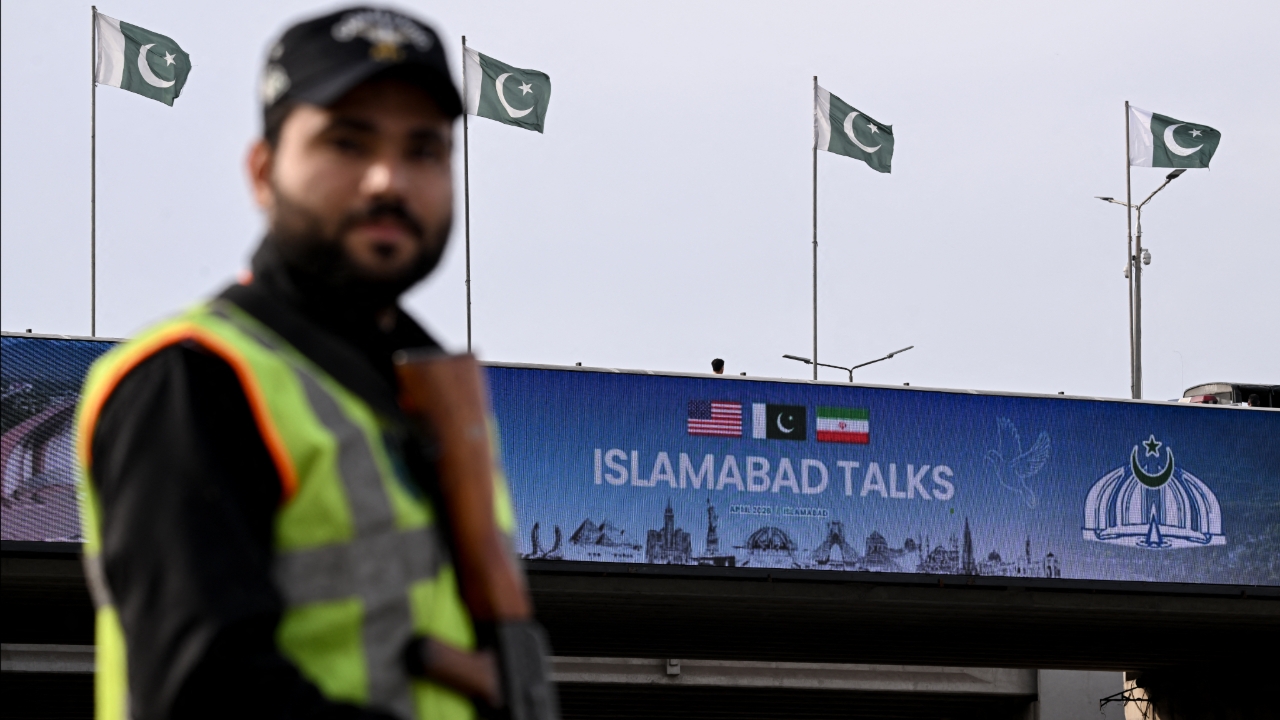
Negotiations between U.S. and Iranian representatives in Islamabad, Pakistan, have begun amid hope but still face at least five major obstacles that could cause a peace agreement to fail.
On 10 April 2026 GMT+7, U.S. representatives led by Vice President J.D. Vance and Iranian representatives led by Mohammad Bagher Ghalibaf, Speaker of the Iranian Parliament, will start talks in Pakistan's capital. These talks aim to end the Middle East conflict amid hopes to resolve the war that has lasted over a month. However, behind the negotiation table lie several key contentious issues, especially five main points of clear disagreement that may determine whether this agreement succeeds or falters again.
The Situation in Lebanon
The conflict between Israel and the Hezbollah group remains tense. President Masoud Pesechgian warned that if attacks continue, the talks might become meaningless. Meanwhile, Israeli Prime Minister Benjamin Netanyahu reiterated that there is no ceasefire agreement with Hezbollah.
The Strait of Hormuz
This vital global oil transit route remains a point of conflict. Former President Donald Trump accused Iran of not opening the route as agreed, noting that only a few ships pass through and reports suggest possible toll charges. Iran, meanwhile, is attempting to set new rules and regards the strait as Iranian sovereign waters.
Iran's Nuclear Program
International efforts to end Iran's nuclear program have been a long-standing issue. The U.S. demands Iran halt uranium enrichment, while Iran insists on its right to peaceful development under the Nuclear Non-Proliferation Treaty.
Iran's Regional Allied Networks
Regional allied groups such as Hezbollah, the Houthis, and Hamas remain major points of contention. Israel views them as direct threats, while Iran has yet to signal any intention to reduce their roles.
Lifting of Sanctions on Iran
Iran has called for the removal of all sanctions, including the unfreezing of approximately 120 billion U.S. dollars in assets, but there has been no indication that the U.S. will accept these conditions.
Earlier, U.S. Vice President J.D. Vance, head of the U.S. negotiating team, stated readiness to negotiate if Iran shows sincerity but warned he would not accept any gamesmanship. Nonetheless, the overall picture reflects that although talks have begun, many complex issues remain to be resolved before reaching a genuine peace agreement.
Source: BBC